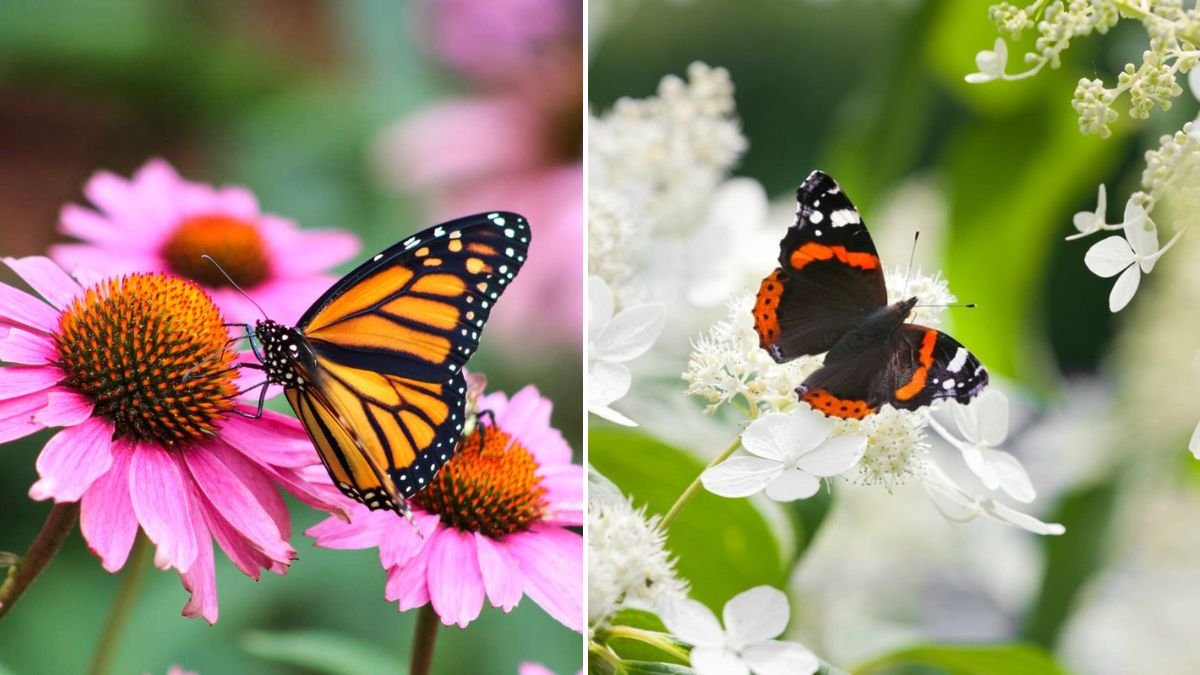

Few things bring as much life and magic to a garden as butterflies. Their gentle fluttering, bright colors, and graceful movements turn any outdoor space into a living paradise. One of the best ways to invite these beautiful pollinators into your yard is by planting blooming bushes that provide nectar, shelter, and breeding spots.
Butterflies depend on flowering shrubs not just for food, but also for protection from wind and predators. By choosing the right plants, you can enjoy a garden that stays colorful, healthy, and full of fluttering wings from spring through fall.
Here are 17 flowering shrubs that butterflies love, along with tips on how to grow them successfully.
Why Butterflies Love Flowering Shrubs
Butterflies are drawn to shrubs that offer:
- Abundant nectar-rich flowers
- Bright colors like red, purple, pink, and yellow
- Long blooming seasons
- Safe places to rest and lay eggs
Flowering bushes also provide shelter during wind and rain, making them essential to a butterfly-friendly garden.
1. Butterfly Bush (Buddleia)
This is one of the most famous butterfly-attracting shrubs. Its long flower spikes are packed with nectar and bloom for months.
2. Lantana
Lantana produces clusters of tiny colorful flowers that butterflies find irresistible. It thrives in warm climates and blooms nonstop.
3. Buttonbush
This unique shrub has round white flowers that look like pincushions and provide excellent nectar for butterflies.
4. Azalea
Azaleas bloom in early spring, giving butterflies an early source of food after winter.
5. Hydrangea
While not all hydrangeas attract butterflies, lacecap varieties are especially popular because of their open, nectar-rich flowers.
6. Weigela
This shrub blooms in late spring and often again in summer, offering bright trumpet-shaped flowers.
7. Spirea
Spirea’s flat flower clusters make it easy for butterflies to land and feed.
8. Lilac
With fragrant spring flowers, lilacs attract many early-season butterflies.
9. Rose of Sharon
This hibiscus relative blooms in late summer when butterflies need food the most.
10. Summersweet (Clethra)
This native shrub blooms in midsummer and has a sweet fragrance that attracts butterflies and bees.
11. Abelia
Abelia produces small tubular flowers for a long season, making it a reliable nectar source.
12. Flowering Quince
One of the earliest bloomers, quince supports butterflies when little else is in flower.
13. Caryopteris (Bluebeard)
Its blue flowers bloom in late summer, providing much-needed nectar.
14. Viburnum
Many viburnum species produce butterfly-friendly flowers and berries.
15. Potentilla
This low-growing shrub blooms all summer and attracts many pollinators.
16. Deutzia
With clusters of white or pink flowers, deutzia is a magnet for butterflies in late spring.
17. Elderberry
Elderberry shrubs have flat flower heads that butterflies love, followed by berries for birds.
How to Design a Butterfly-Friendly Shrub Garden
To get the most butterflies, plant shrubs in clusters rather than single plants. This creates a bigger visual target and more nectar in one area.
Also:
- Choose shrubs that bloom at different times
- Include sunny spots
- Avoid pesticides
- Add shallow water sources
This will make your garden a safe and inviting home for butterflies.
Caring for Your Flowering Shrubs
Most butterfly-attracting shrubs are easy to grow. Provide them with:
- Well-draining soil
- Regular watering while establishing
- Occasional pruning after flowering
- Plenty of sunlight
Healthy shrubs produce more flowers—and more nectar.
Create a Living Butterfly Paradise
Planting blooming shrubs that attract butterflies is one of the most rewarding ways to garden. You’ll enjoy stunning flowers, healthier plants, and the magical sight of butterflies dancing through your yard.
With these 17 flowering bushes, you can turn any outdoor space into a colorful, lively butterfly haven that blooms beautifully year after year.