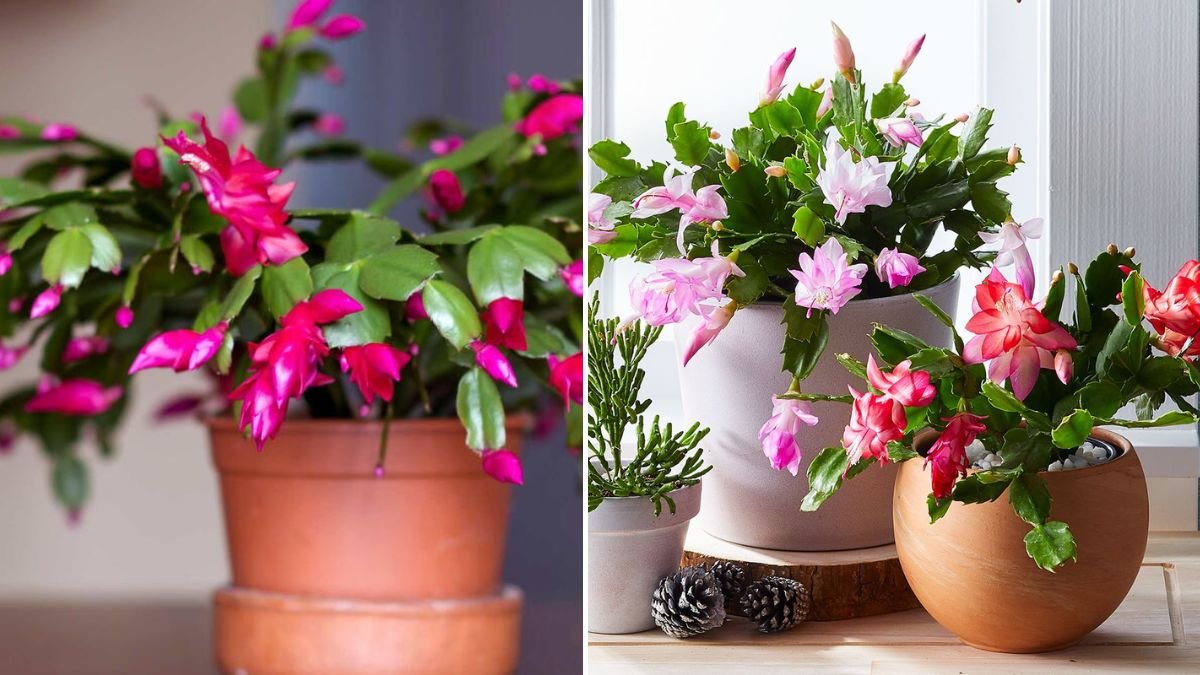

The Christmas cactus is one of the most beloved holiday houseplants. Its bright, cheerful blooms often appear just when winter feels long and gray, making it a favorite decoration during the festive season. But once the holidays are over and the flowers begin to fade, many people aren’t sure what to do next. Some plants are forgotten, others are overwatered, and some are moved to the wrong place, causing them to lose their healthy look.
The truth is, your Christmas cactus is not just a holiday decoration—it is a long-living houseplant that can bloom beautifully year after year when cared for properly. With a little attention after the holidays, you can help it recover, grow stronger, and prepare for an even better display next winter.
Here is a complete guide to caring for your Christmas cactus once the celebrations are over.
Understanding Your Christmas Cactus
Unlike desert cacti, the Christmas cactus comes from tropical rainforests. In nature, it grows attached to trees in shady, humid environments. This means it prefers different conditions than spiky cacti that live in hot, dry deserts.
It likes:
- Bright but indirect light
- Even moisture
- Humid air
- Mild, stable temperatures
Knowing this helps you provide the right care after the plant finishes blooming.
What to Do When the Flowers Fade
Once your Christmas cactus finishes blooming, it enters a short resting period. This is completely normal. During this time, the plant slows its growth and prepares for new leaves and stems.
Do not throw the plant away just because the flowers are gone. This rest period is when the plant regains energy for future blooms.
You can gently remove faded flowers by pinching them off, keeping the plant neat and preventing any rotting.
Adjust Your Watering Routine
During the blooming season, Christmas cacti often need more frequent watering. After the holidays, however, the plant’s water needs decrease.
Allow the top inch of soil to dry before watering again. When you do water, make sure excess water drains out of the bottom of the pot. Never let the plant sit in standing water, as this can cause root rot.
Overwatering is the most common reason Christmas cacti fail after the holidays, so it’s better to slightly underwater than overwater.
Give It the Right Light
After the holidays, move your Christmas cactus to a bright spot with indirect sunlight. A north- or east-facing window is ideal.
Too much direct sun can scorch the leaves, while too little light can cause weak, pale growth. Balanced light helps the plant recover and grow strong new segments.
Keep the Temperature Comfortable
Christmas cacti prefer temperatures between 60°F and 70°F (15°C to 21°C). Avoid placing the plant near heaters, fireplaces, or cold drafts.
Sudden temperature changes can stress the plant and cause buds or leaves to drop.
A stable environment helps the cactus stay healthy all year long.
Increase Humidity
Because Christmas cacti are tropical plants, they enjoy humid air. Indoor winter air is often very dry, which can make the plant look dull or shriveled.
You can increase humidity by:
- Placing a tray of water and pebbles under the pot
- Grouping plants together
- Using a small humidifier
- Lightly misting the plant
Higher humidity keeps the leaves plump and glossy.
Feed for New Growth
After the blooming period ends, it’s time to feed your Christmas cactus so it can grow new segments.
Use a balanced houseplant fertilizer once a month in late winter and spring. This gives the plant the nutrients it needs to grow strong and prepare for the next flowering cycle.
Stop feeding in late summer so the plant can naturally slow down and get ready to form buds again.
Repot If Needed
If your Christmas cactus looks crowded in its pot or the soil has become compacted, early spring is a good time to repot it.
Choose a pot that is only slightly larger than the current one. Use a well-draining potting mix designed for cacti or succulents, mixed with a little extra peat or compost.
Repotting gives the roots fresh space and nutrients, helping the plant stay healthy for years.
Prune for a Fuller Shape
After blooming is over, you can gently prune your Christmas cactus to encourage bushier growth.
Simply twist off a few segments from the ends of long stems. New branches will grow from these points, making the plant fuller and more attractive.
You can even root the cut segments in soil or water to grow new plants.
Prepare for Next Year’s Blooms
If you want your Christmas cactus to bloom again next winter, it needs a special rest period in early fall.
Around September or October:
- Reduce watering slightly
- Place the plant in a cool room (about 55°F to 60°F)
- Give it 12 to 14 hours of darkness each night
This tells the plant it’s time to form flower buds.
Once buds appear, return it to normal light and temperature, and enjoy the upcoming show.
A Plant That Keeps on Giving
Your Christmas cactus is not a one-season wonder. With the right care after the holidays, it can live for decades and bloom year after year. Some families even pass these plants down through generations.
By giving it proper light, water, humidity, and a little rest, you turn a holiday decoration into a lifelong companion.
So don’t pack your Christmas cactus away with the ornaments—treat it well, and it will keep bringing beauty and joy to your home long after the holidays are over.