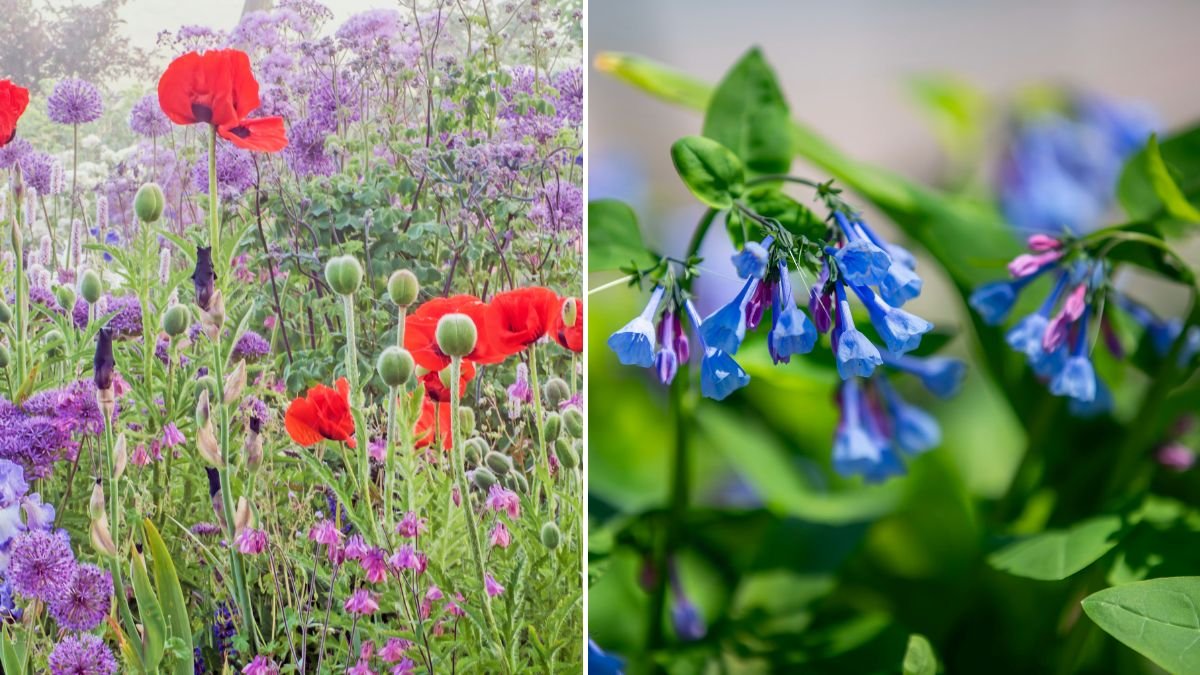

January may seem like the quietest month in the garden, but for smart gardeners, it’s the perfect time to get a head start on spring. While much of the landscape is resting, you can be planting the seeds that will turn into colorful, pollinator-friendly wildflowers just a few months later. Many wildflowers actually prefer cool conditions to sprout, and some even need a period of cold to break dormancy.
By sowing wildflower seeds in January—either indoors or outdoors in suitable climates—you give them a strong, early start. This results in sturdier plants, earlier blooms, and a garden filled with natural beauty when warmer weather arrives.
Here are nine beautiful wildflowers you can grow from seed in January, along with tips to help them thrive.
Why January Is Ideal for Starting Wildflowers
Many wildflowers come from temperate regions where winter is part of their natural life cycle. Cold temperatures help soften the seed coat and trigger germination. This process is called cold stratification.
Starting seeds in January allows them to:
- Germinate more naturally
- Grow stronger roots
- Flower earlier in spring
- Compete better with weeds
- Attract early pollinators
You can start them indoors in seed trays or outdoors using a method called winter sowing.
1. Poppies
Poppies are classic wildflowers with delicate, papery blooms. They love cool temperatures and actually prefer being planted in winter.
Scatter the seeds on the soil surface and lightly press them in. They need light to germinate, so don’t cover them. Poppies reward you with bright red, pink, or orange flowers in early spring.
2. Cornflower (Bachelor’s Button)
Cornflowers are easy to grow and bloom in shades of blue, pink, and white. They thrive in cool weather and can be sown directly in January in mild climates or started indoors.
These flowers are loved by bees and butterflies and are perfect for cutting gardens.
3. Larkspur
Larkspur produces tall spikes of soft, pastel-colored flowers. It needs cold exposure to germinate, making January an ideal planting time.
Sow the seeds outdoors or in trays and keep them cool. Larkspur blooms beautifully in late spring.
4. Sweet Peas
Sweet peas are fragrant climbers that love cool weather. Starting them in January gives them time to develop strong roots before spring.
Soak the seeds overnight before planting to speed up germination. Provide a trellis or support as they grow.
5. California Poppies
These bright orange and yellow flowers are drought-tolerant and easy to grow. They prefer cool temperatures to sprout and don’t like being transplanted.
Sow them directly where you want them to grow in January for the best results.
6. Forget-Me-Nots
Forget-me-nots produce tiny blue flowers that create a dreamy, cottage-garden look. They germinate best after a period of cold.
Sow the seeds in trays or directly in the ground and keep the soil lightly moist.
7. Iceland Poppies
Iceland poppies are known for their silky petals and soft colors. They thrive in cool temperatures and bloom earlier when started in winter.
Start the seeds indoors in January for spring flowers.
8. Foxglove
Foxglove produces tall, bell-shaped flowers that attract bees. These plants prefer cool weather for germination.
Sow foxglove seeds in January for strong plants that will bloom later in the season.
9. Calendula
Also called pot marigold, calendula is cheerful, hardy, and easy to grow. It tolerates cold and germinates well in winter.
Calendula blooms quickly and continues flowering for months.
How to Start Wildflower Seeds in January
You can start seeds in two main ways:
Indoor Seed Trays:
Use seed-starting mix and shallow trays. Keep them in a cool, bright place. Water gently and wait for seedlings to emerge.
Winter Sowing Outdoors:
Plant seeds in containers with drainage holes, place them outside, and let nature provide the cold and moisture.
Both methods work well for wildflowers.
Care After Germination
Once seedlings appear:
- Keep the soil lightly moist
- Provide bright light
- Thin seedlings if crowded
- Harden them off before moving outdoors
Strong early care leads to better flowering later.
A Head Start on Spring Beauty
By planting wildflower seeds in January, you turn winter into a season of preparation and promise. These early-sown flowers will bloom sooner, grow stronger, and bring pollinators to your garden when they are needed most.
With just a few packets of seeds and a little patience, you can create a wildflower garden that bursts into color and life long before summer arrives.