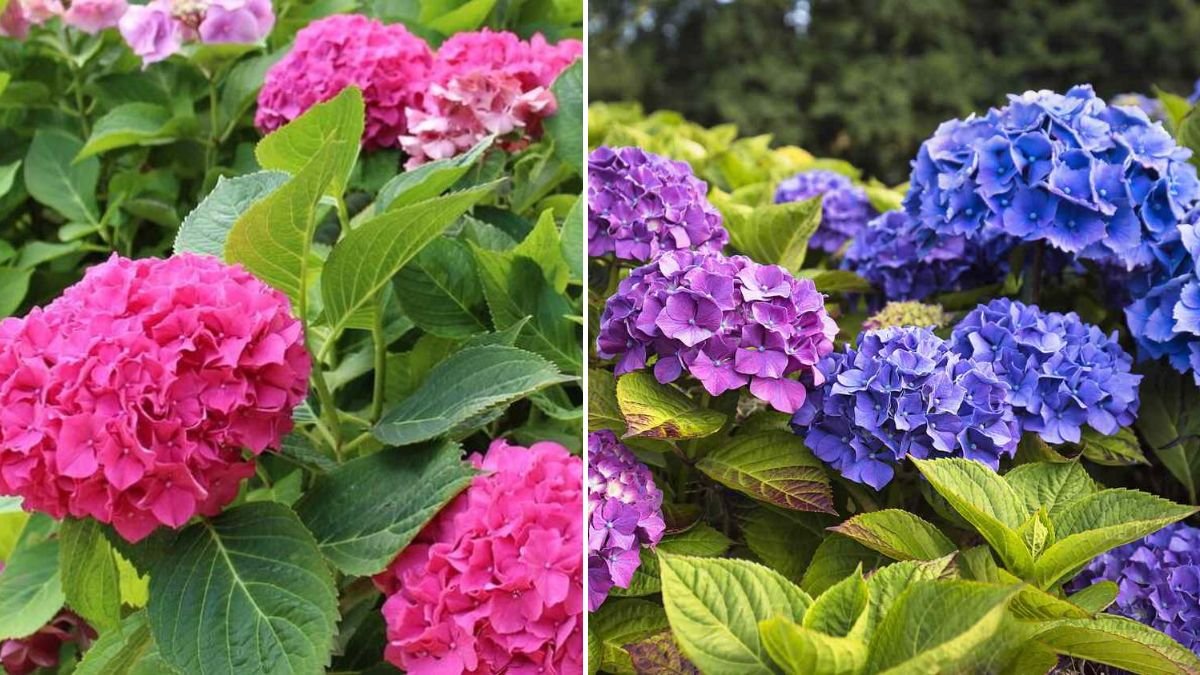

Hydrangeas are the showstoppers of the summer garden. Their large, cloud-like flower heads in shades of blue, pink, white, and purple can instantly turn any yard, balcony, or garden corner into a breathtaking display. But many gardeners find themselves disappointed when their hydrangeas produce only a few small blooms or lots of leaves with no flowers at all.
The good news is that hydrangeas are not difficult plants—when you understand their needs, they reward you generously. With the right care, you can grow huge, long-lasting blooms that last all summer. Here are eight powerful gardening tips to help your hydrangeas reach their full flowering potential.
1. Give Them the Right Amount of Sun
Hydrangeas love sunlight—but not too much of it. The ideal situation is morning sun and afternoon shade. Too much direct afternoon sun can cause the leaves to wilt and the flowers to fade quickly.
If your hydrangea is planted in full shade, it may grow lush green leaves but produce very few flowers. On the other hand, full sun all day can stress the plant, especially in hot climates.
Place your hydrangeas where they receive about 4 to 6 hours of gentle sunlight each day for the best blooms.
2. Water Deeply and Consistently
Hydrangeas are thirsty plants. In fact, their name comes from the Greek word “hydra,” meaning water. If they don’t get enough moisture, their flowers will stay small, and the plant may even stop blooming.
Water deeply at least two to three times a week, especially during hot summer weather. Make sure the water reaches the roots, not just the surface of the soil.
Mulching around the base of the plant helps keep moisture in the soil and protects roots from heat stress.
3. Use Rich, Well-Draining Soil
Big blooms require healthy roots, and healthy roots need good soil. Hydrangeas prefer soil that is rich in organic matter, loose, and well-draining.
Mix compost, leaf mold, or aged manure into the soil before planting. This improves water retention while still allowing excess water to drain away.
Avoid heavy clay or sandy soil, as both can limit root growth and reduce flowering.
4. Feed Your Hydrangeas the Right Way
Hydrangeas need nutrients to produce their famous large blooms. A balanced fertilizer designed for flowering plants is ideal.
Feed your hydrangeas in early spring when new growth begins and again in late spring or early summer. This gives the plant the energy it needs to develop flower buds.
Be careful not to over-fertilize with high-nitrogen products. Too much nitrogen causes lots of leafy growth but fewer flowers.
5. Prune at the Correct Time
Pruning is one of the most misunderstood aspects of hydrangea care. Pruning at the wrong time can remove the buds that would have turned into flowers.
Some hydrangeas bloom on old wood (last year’s growth), while others bloom on new wood (current season’s growth). If your hydrangea blooms in early summer, prune it right after it finishes flowering. If it blooms later in the summer, prune it in late winter or early spring.
Always remove dead or weak branches to keep the plant strong and blooming heavily.
6. Adjust the Soil pH for Colorful Blooms
One of the most fascinating things about hydrangeas is that their flower color can change depending on the soil pH.
- Acidic soil produces blue flowers
- Alkaline soil produces pink flowers
To encourage blue blooms, add coffee grounds, pine needles, or aluminum sulfate to the soil. For pink flowers, add garden lime.
Healthy soil also supports bigger, brighter flower heads, so pH balance is a key part of hydrangea care.
7. Protect Them From Heat Stress
Hot summer temperatures can be tough on hydrangeas. When the plant becomes stressed, it puts less energy into producing flowers.
Provide shade during the hottest part of the day, especially in warm climates. Mulching around the base of the plant keeps roots cool and prevents moisture loss.
If your hydrangea looks wilted in the afternoon, give it a deep watering in the evening to help it recover.
8. Deadhead for More Blooms
Removing spent flowers, a process known as deadheading, encourages hydrangeas to produce more blooms. When old flowers are left on the plant, it focuses energy on seed production instead of new growth.
Cut off faded blooms just above a healthy set of leaves. This keeps the plant looking tidy and signals it to create more flowers.
Regular deadheading throughout summer leads to a longer blooming season and bigger, healthier flower heads.
Extra Tips for Truly Giant Hydrangea Blooms
In addition to these eight main tips, a few extra habits can take your hydrangeas to the next level:
- Avoid planting too close to large trees, which steal water and nutrients.
- Give each plant enough space for air circulation.
- Protect buds from late spring frosts with cloth covers.
- Use rainwater when possible, as it is gentler on the soil and plant roots.
These small steps make a big difference in bloom size and quality.
Why Hydrangeas Are Worth the Effort
Hydrangeas may need a bit of attention, but the reward is incredible. Few plants can match their lush, full blooms and long flowering season. They work beautifully in garden borders, as foundation plants, or in large containers on patios and balconies.
They also make excellent cut flowers, bringing their beauty indoors for weeks at a time.
A Garden Filled With Giant Summer Blooms
By following these eight simple gardening tips, you can transform your hydrangeas into the stars of your summer garden. With the right sunlight, water, soil, and care, these plants will reward you with bigger, brighter, and more colorful blooms than ever before.
Whether you grow them in a backyard, a balcony, or a small garden space, hydrangeas bring elegance, charm, and joy to every corner. This summer, give them what they need—and watch your garden explode with breathtaking flowers.