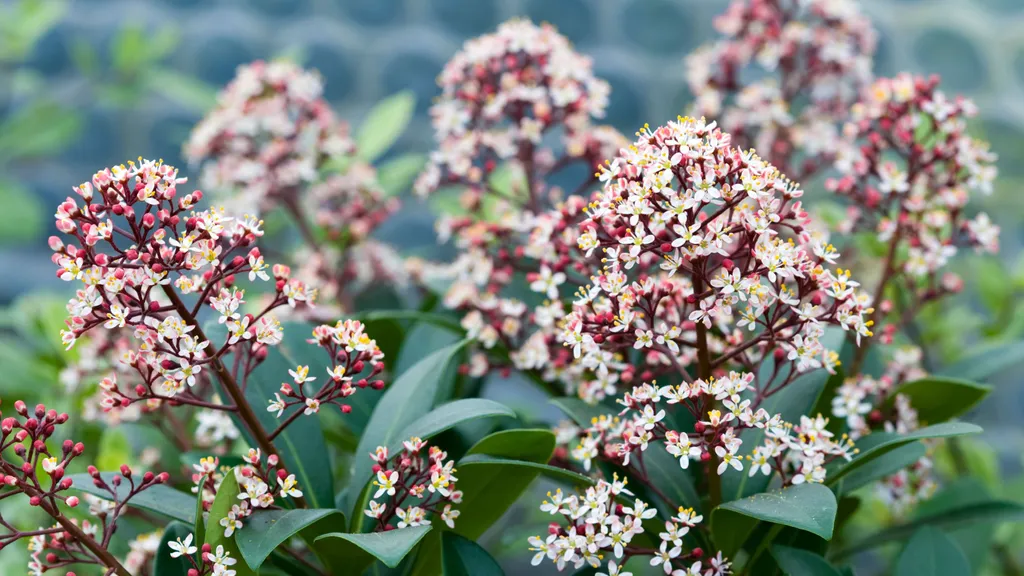

Winter gardens often feel quiet and bare, with most plants dormant and the landscape muted in shades of gray and brown. But the right flowering shrubs can bring both color and delightful fragrance to your garden when little else is in bloom. By carefully selecting shrubs that thrive in colder months, you can create a garden that awakens your senses and lifts your spirits, even in the heart of winter.
This guide will explore seven sweet-smelling flowering shrubs that flourish during winter, along with tips for planting, care, and ensuring a stunning seasonal display.
Why Winter-Flowering Shrubs Are Garden Game-Changers
Winter is typically the quietest season for gardeners. However, choosing winter-flowering shrubs transforms the garden from dull to vibrant. Benefits include:
- Extended garden interest: Adds color, texture, and life when most other plants are dormant.
- Fragrance: Sweet-smelling blooms enhance the outdoor experience and can even be enjoyed indoors.
- Wildlife support: Many winter flowers provide nectar for early pollinators and shelter for birds.
- Low-maintenance beauty: Once established, many winter shrubs require minimal care yet reward you with long-lasting blooms.
1. Winter Jasmine (Jasminum nudiflorum)
Winter Jasmine is a bright yellow beauty that blooms on bare stems, bringing cheer to the winter garden.
- Flowering period: Late December through February.
- Fragrance: Light, sweet scent.
- Growing conditions: Full sun to partial shade; well-draining soil.
- Why it’s great: Its vivid yellow blooms contrast beautifully with a gray winter landscape. Can be trained over fences, trellises, or allowed to sprawl naturally.
Care tip: Prune immediately after flowering to encourage vigorous growth for next season.
2. Wintersweet (Chimonanthus praecox)
Wintersweet is known for its intense, spicy-sweet fragrance that fills the garden on crisp winter days.
- Flowering period: Late December to March.
- Fragrance: Strong, heady perfume.
- Growing conditions: Full sun, sheltered spot, fertile well-draining soil.
- Why it’s great: Wax-like yellow flowers with purple centers appear on bare stems, providing both scent and visual interest.
Care tip: Plant in a location where you can enjoy the fragrance from a window or walkway. Minimal pruning is required, only after flowering.
3. Sweet Box (Sarcococca confusa)
Sweet Box is a compact evergreen shrub perfect for filling shady corners with fragrance.
- Flowering period: January to February.
- Fragrance: Rich, vanilla-like scent, especially noticeable in the evening.
- Growing conditions: Partial to full shade; moist, well-drained soil.
- Why it’s great: Tolerates low light where few other fragrant plants thrive. Its glossy green foliage adds winter structure to the garden.
Care tip: Plant in groups or borders to maximize the scent impact in shaded areas.
4. Camellia (Camellia japonica & Camellia sasanqua)
Camellias are elegant, rose-like flowers that bloom in winter and early spring.
- Flowering period: Camellia sasanqua blooms October to December; Camellia japonica blooms December to March.
- Fragrance: Some varieties are lightly fragrant; choose scented cultivars like ‘Winter’s Star’ or ‘Yuletide’.
- Growing conditions: Partial shade; acidic, well-draining soil.
- Why it’s great: Large, colorful flowers provide dramatic winter interest, particularly in sheltered borders or near entrances.
Care tip: Mulch around the base to protect roots from frost and keep soil moist but not waterlogged.
5. Viburnum (Viburnum × bodnantense ‘Dawn’)
Viburnum ‘Dawn’ is a hardy, deciduous shrub that produces clusters of pink and white flowers in winter.
- Flowering period: December to March.
- Fragrance: Sweet, almond-like scent.
- Growing conditions: Full sun to partial shade; fertile, moist, well-drained soil.
- Why it’s great: Its upright habit and abundant blooms light up winter borders and attract early pollinators.
Care tip: Prune after flowering to maintain shape and encourage next season’s blooms.
6. Hellebores (Helleborus spp.)
Often called the “Christmas Rose”, Hellebores are winter champions for shade gardens.
- Flowering period: January to March.
- Fragrance: Lightly sweet; some varieties more fragrant than others.
- Growing conditions: Partial to full shade; rich, well-draining soil.
- Why it’s great: Long-lasting blooms, attractive foliage, and cold tolerance make hellebores a reliable choice for early-season color.
Care tip: Remove old leaves in late winter to showcase the flowers and reduce fungal risk.
7. Mahonia (Mahonia × media)
Mahonia, sometimes called Oregon grape, is a spiky evergreen with bright yellow winter flowers.
- Flowering period: December to February.
- Fragrance: Sweet, citrusy aroma.
- Growing conditions: Partial shade; well-draining soil.
- Why it’s great: Clusters of fragrant yellow flowers provide winter nectar for bees, and its blue berries add interest after flowering.
Care tip: Protect young plants from frost and plant in sheltered areas to enjoy blooms in harsh winter conditions.
Tips for Maximizing Winter Fragrance and Color
- Plant near windows or walkways: This allows you to enjoy fragrance indoors or as you pass through your garden.
- Combine evergreen and deciduous shrubs: Evergreen foliage maintains structure, while flowering deciduous shrubs provide seasonal blooms.
- Use layering: Place shorter shrubs like Sweet Box in front and taller Viburnum or Camellia behind for visual depth.
- Mulch and protect: Use mulch to retain soil moisture and insulate roots during winter.
- Water wisely: Winter plants need less water, but never let soil dry out completely for shrubs that are actively flowering.
Why Winter-Flowering Shrubs Are Worth the Effort
Adding flowering shrubs to your winter garden is more than just aesthetic enhancement:
- They lift your mood during the dreariest months.
- They provide food and shelter for wildlife.
- They offer fragrance and beauty when most other plants are dormant.
- They can be low-maintenance once established, requiring minimal pruning and watering.
By planting shrubs that bloom in winter, your garden remains alive and dynamic, even in the coldest months.
Final Thoughts
A winter garden doesn’t have to be dull and lifeless. With carefully chosen fragrant shrubs, you can create a colorful, aromatic haven that delights both the eyes and the nose. From the vibrant yellows of Winter Jasmine and Mahonia to the sweet scent of Viburnum ‘Dawn’ and Sweet Box, these seven shrubs provide continuous winter interest and support early pollinators.
By planning your winter garden thoughtfully—considering light, soil, placement, and care requirements—you can enjoy a garden that thrives when most others are asleep. With a mix of color, fragrance, and evergreen structure, your winter landscape becomes a true year-round retreat.