
January may feel like the heart of winter, but it’s actually the perfect month to start planning a vibrant wildflower garden. By sowing seeds now, you give plants the time they need to establish roots and prepare for spring blooms, ensuring a colorful and thriving garden when the weather warms up. Wildflowers not only add beauty to your yard but also support pollinators like bees and butterflies, improving the health of your local ecosystem.
In this guide, we’ll explore nine wildflowers you can grow from seed in January, along with tips for sowing, caring for seedlings, and creating a natural, low-maintenance garden full of life.
Why Plant Wildflowers from Seed in January?
Starting wildflowers from seed in January has several advantages:
- Head start on spring growth: Seeds sown in winter develop roots while the soil is cool, leading to earlier, stronger blooms.
- Cost-effective gardening: Growing from seed is far less expensive than buying mature plants.
- Supports pollinators: Early-flowering wildflowers provide food for bees, butterflies, and other beneficial insects.
- Natural beauty: Wildflowers create meadows and borders that require less maintenance than traditional gardens.
January sowing requires some preparation, but the payoff is a lush, vibrant garden ready for spring and summer.
1. California Poppy (Eschscholzia californica)
California poppies are vivid orange blooms that thrive in sunny areas:
- Planting tips: Sow seeds indoors in trays or directly outdoors in well-drained soil.
- Light: Full sun.
- Watering: Moderate; allow soil to dry slightly between watering.
- Why it’s great: Poppies grow quickly, attract pollinators, and naturalize well in flower beds.
2. Cornflower (Centaurea cyanus)
Cornflowers, also known as Bachelor’s Buttons, produce bright blue, delicate flowers:
- Planting tips: Sow seeds indoors in seed trays or outdoors if soil is workable.
- Light: Full sun to partial shade.
- Watering: Keep soil evenly moist during germination.
- Why it’s great: Cornflowers are hardy, reseed naturally, and make excellent cut flowers.
3. Lupine (Lupinus spp.)
Lupines are tall, spiky flowers in shades of purple, pink, and white:
- Planting tips: Start seeds indoors in January using peat pots to avoid disturbing roots.
- Light: Full sun.
- Soil: Well-drained, slightly acidic.
- Why it’s great: Lupines enrich soil by fixing nitrogen and attract pollinators like bees and hummingbirds.
4. Sweet Alyssum (Lobularia maritima)
Sweet Alyssum produces tiny, fragrant flowers that carpet the garden:
- Planting tips: Sow seeds in trays or directly in pots indoors.
- Light: Full sun to partial shade.
- Watering: Keep soil lightly moist.
- Why it’s great: Alyssum is compact, low-growing, and attracts beneficial insects to the garden.
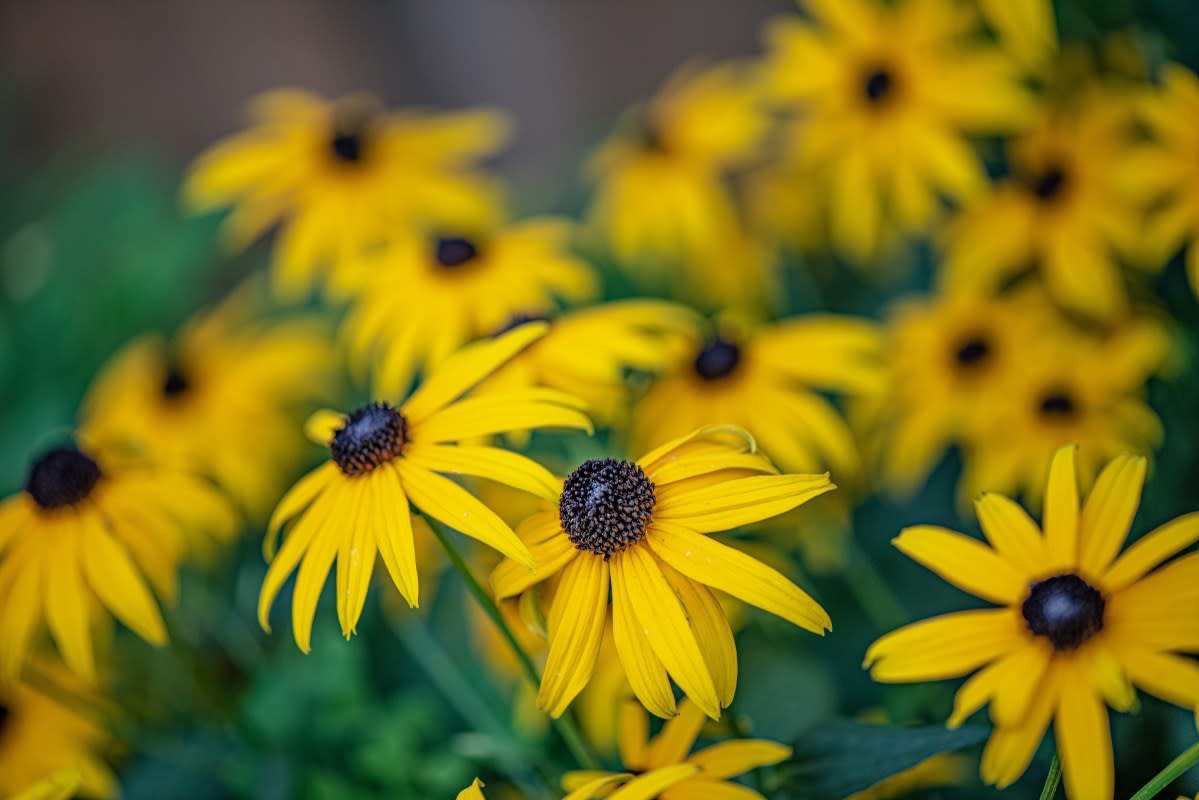
5. Black-Eyed Susan (Rudbeckia hirta)
Black-eyed Susans are classic yellow blooms with dark centers, adding bold color to meadows and borders:
- Planting tips: Start seeds indoors in January for transplanting after frost.
- Light: Full sun.
- Watering: Moderate; allow soil to dry slightly between watering.
- Why it’s great: Long-blooming and easy to grow, they provide food for butterflies and bees.
6. Wild Sweet Pea (Lathyrus latifolius)
Wild sweet peas offer fragrant flowers in pastel shades of pink, purple, and white:
- Planting tips: Soak seeds overnight before sowing indoors to improve germination.
- Light: Full sun.
- Support: Provide trellises or stakes for climbing.
- Why it’s great: Adds vertical interest and sweet fragrance to your garden, attracting pollinators.
7. Blanket Flower (Gaillardia spp.)
Blanket flowers are vivid red and yellow blooms that resemble woven blankets:
- Planting tips: Sow seeds indoors in January or directly outdoors once soil is workable.
- Light: Full sun.
- Watering: Drought-tolerant once established.
- Why it’s great: Long-flowering and hardy, perfect for adding bold splashes of color.
8. Cosmos (Cosmos bipinnatus)
Cosmos are airy, daisy-like flowers that thrive in sunny gardens:
- Planting tips: Start seeds indoors in January for transplanting after frost.
- Light: Full sun.
- Watering: Moderate; allow soil to dry slightly between watering.
- Why it’s great: Easy to grow, attracts butterflies, and adds soft, delicate textures to wildflower meadows.
9. California Bluebell (Phacelia campanularia)
California Bluebells produce vibrant blue bell-shaped flowers, perfect for early-season color:
- Planting tips: Sow indoors in trays in January for transplanting when frost danger passes.
- Light: Full sun.
- Soil: Well-drained, slightly sandy soil.
- Why it’s great: Low maintenance, drought-tolerant, and attracts pollinators like bees and hummingbirds.
Tips for Successfully Growing Wildflowers from Seed in January
1. Start Indoors if Necessary
Some seeds benefit from indoor sowing in seed trays to give them a head start before outdoor planting. Use a light, well-draining seed-starting mix.
2. Provide Adequate Light
- Place seed trays on sunny windowsills or under grow lights.
- Most wildflowers need 12–16 hours of light per day during early growth.
3. Maintain Soil Moisture
- Keep soil evenly moist but not waterlogged.
- Use a spray bottle to mist seedlings gently, avoiding dislodging small seeds.
4. Harden Off Seedlings
- Gradually expose seedlings to outdoor conditions before transplanting.
- Start with a few hours of shade, increasing exposure over 7–10 days.
5. Prepare Outdoor Soil
- Choose a well-draining, sunny spot.
- Loosen the soil and remove weeds.
- Incorporate organic compost to provide nutrients without over-fertilizing.
6. Sow Seeds Appropriately
- Some seeds require light to germinate (e.g., Alyssum, California Poppy). Scatter thinly on the surface and press lightly.
- Others can be covered with a thin layer of soil (e.g., Black-eyed Susan, Lupine).
7. Support Pollinators
Planting wildflowers in clusters provides food and shelter for bees, butterflies, and beneficial insects, creating a lively, natural garden environment.
Why Wildflowers Are Perfect for Beginner Gardeners
- Low maintenance: Once established, wildflowers often self-seed and thrive with minimal care.
- Eco-friendly: Reduce the need for chemical fertilizers and pesticides.
- Versatile: Suitable for containers, raised beds, or sprawling meadow-style gardens.
- Seasonal interest: A well-planned wildflower garden offers color and texture from early spring through summer.
Growing wildflowers from seed is a satisfying, cost-effective way to enjoy nature’s beauty while supporting the local ecosystem.
Final Thoughts
January is an ideal month to plan and start a wildflower garden from seed, giving plants a head start for spring blooms. From vibrant California poppies to delicate Cosmos, these nine wildflowers are easy to grow, attractive to pollinators, and perfect for adding natural beauty to your garden.
By starting seeds indoors, providing adequate light, maintaining soil moisture, and gradually hardening off seedlings, you can enjoy a stunning wildflower display all season long. A January start ensures your garden bursts with color, fragrance, and life, creating a lively and eco-friendly oasis right in your backyard.