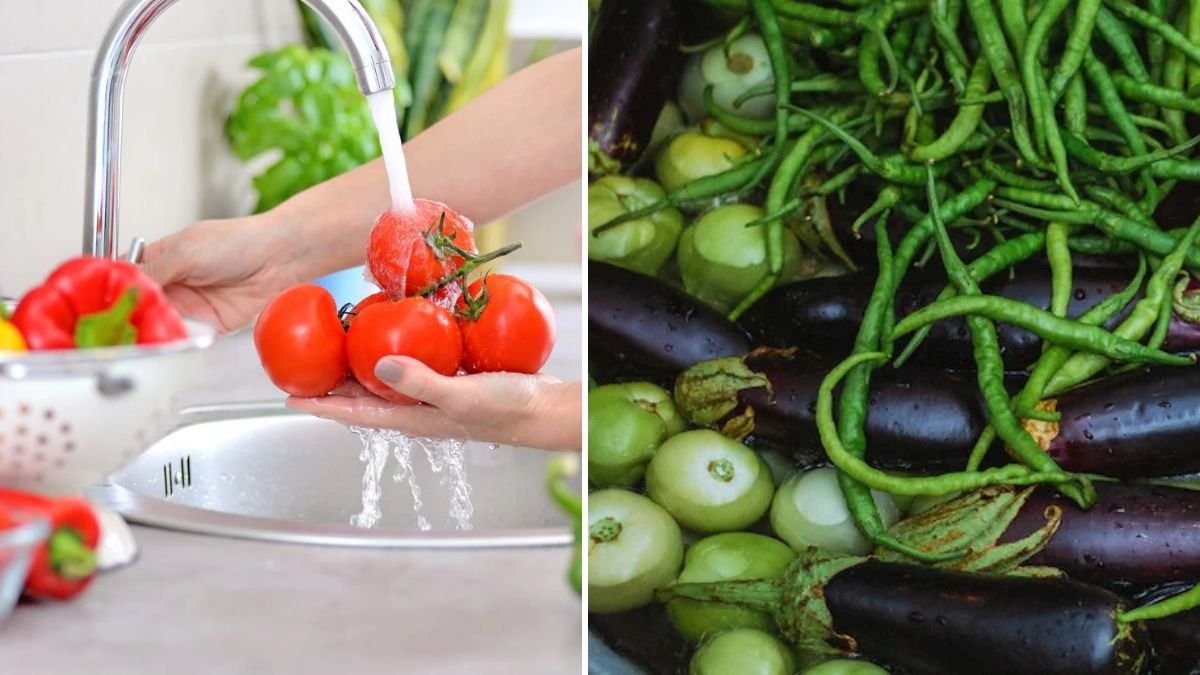

Fruits and vegetables are essential for a healthy life, but many of them come with an invisible problem—pesticide residues. These chemicals are used during farming to protect crops from insects and disease, yet traces often remain on the produce by the time it reaches your kitchen. Over time, consuming pesticide residues may affect your immune system, hormones, and overall health.
The good news is that with the right cleaning methods, you can remove a large portion of these chemicals and enjoy safer, fresher food. Let’s explore how to clean fruits and vegetables properly so you can protect your family while still enjoying nature’s best nutrition.
Why Washing Produce Is So Important
Even organic produce can carry pesticide traces, bacteria, dust, and wax coatings. Many fruits and vegetables travel long distances, are handled by multiple people, and are sprayed with preservatives to keep them looking fresh. Washing removes:
- Pesticide and chemical residues
- Dirt and soil
- Bacteria and germs
- Wax coatings
- Tiny insects or eggs
Clean produce not only tastes better but also reduces your risk of foodborne illness and long-term chemical exposure.
The Basic Rule: Never Skip Washing
No matter how clean or shiny fruits and vegetables look, always wash them before eating, peeling, or cutting. Even thick-skinned fruits like bananas or oranges should be cleaned, because knives can transfer chemicals from the skin to the edible part.
Start by washing your hands for at least 20 seconds before handling produce.
Method 1: Running Water Wash (The First Line of Defense)
This is the simplest and most important step.
How to do it:
- Place fruits and vegetables under clean, running water
- Rub them gently with your hands for 20–30 seconds
- Use a soft brush for firm produce like apples, potatoes, or cucumbers
- Let water reach all surfaces
Running water alone can remove up to 40% of pesticide residues and most surface dirt.
Never use soap, detergent, or dishwashing liquid on produce. These products are not safe for food and can leave harmful residues.
Method 2: Salt Water Soak
Salt is a powerful natural cleaner that helps draw out pesticide chemicals and tiny insects hiding on produce.
How to use:
- Mix 1 tablespoon of salt in 1 liter of water
- Soak fruits and vegetables for 10–15 minutes
- Rinse thoroughly with clean water
Salt water is especially effective for leafy greens, grapes, apples, and berries.
Method 3: Lemon and Vinegar Solution
Both lemon juice and vinegar contain natural acids that break down pesticide residues and bacteria.
How to make:
- Mix 1 cup water
- Add 2 tablespoons white vinegar or lemon juice
- Soak produce for 10 minutes
- Rinse well under running water
This method is excellent for apples, tomatoes, peppers, and spinach.
Method 4: Baking Soda Wash (The Most Effective)
Studies show baking soda removes more pesticides than plain water or vinegar.
How to use:
- Mix 1 teaspoon baking soda in 2 cups of water
- Soak fruits and vegetables for 12–15 minutes
- Rinse thoroughly with clean water
This method is particularly effective for apples, grapes, strawberries, and leafy vegetables.
Method 5: Turmeric Water for Extra Safety
Turmeric has natural antibacterial and detoxifying properties.
How to use:
- Add ½ teaspoon turmeric powder to 1 liter of water
- Soak produce for 10 minutes
- Rinse well
This is especially useful for vegetables grown close to the soil like carrots, potatoes, and spinach.
Special Cleaning Tips for Different Produce
Leafy Greens (Spinach, Lettuce, Coriander)
- Separate the leaves
- Soak in salt or baking soda water
- Rinse 2–3 times under running water
Fruits with Wax Coating (Apples, Grapes, Pears)
- Use baking soda or vinegar solution
- Gently rub the surface
Root Vegetables (Potatoes, Carrots, Radish)
- Scrub under running water
- Soak in salt water if very dirty
Soft Fruits (Berries, Tomatoes, Peaches)
- Soak gently in baking soda or vinegar water
- Rinse carefully to avoid damage
Common Mistakes to Avoid
Many people unknowingly reduce the effectiveness of produce washing by making these mistakes:
- Using soap or detergent
- Not rinsing after soaking
- Washing produce after cutting
- Skipping washing because it looks clean
- Using hot water (can force chemicals deeper into the fruit)
Always wash before peeling or cutting.
What About Organic Produce?
Organic fruits and vegetables are grown without synthetic pesticides, but they can still contain natural sprays, dirt, and bacteria. Always wash them using the same methods.
Storing Clean Produce Safely
After washing:
- Dry fruits and vegetables with a clean cloth
- Store in clean containers
- Keep leafy greens wrapped in paper towels to absorb moisture
Never store dirty produce, as bacteria and chemicals can spread.
Final Thoughts
Eating fruits and vegetables is one of the best things you can do for your health—but cleaning them properly is just as important. With simple ingredients like baking soda, salt, lemon, and vinegar, you can remove most pesticide residues and enjoy fresh, safe food.
A few extra minutes of washing can protect your family from harmful chemicals and help you get the full nutritional benefits of every bite. Clean food is healthy food—and healthy food leads to a healthier life