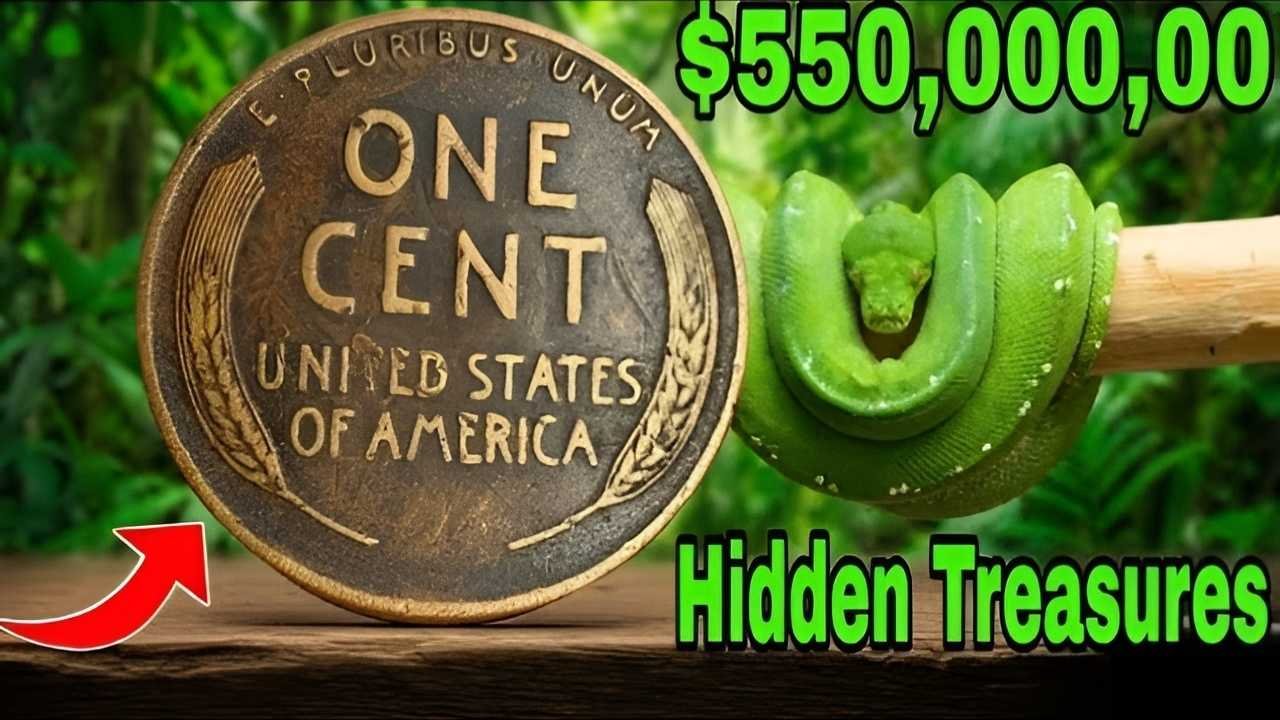

Lincoln Penny Value Guide for Collectors: Coins are more than just currency. They are miniature works of art, historical artifacts, and symbols of national pride. For collectors, coins represent a tangible connection to the past and a chance to hold something truly unique. Among the most beloved coins in American numismatics are Lincoln Pennies, which have been minted continuously since 1909. While most are worth only a cent, certain years and mint marks have made some pennies highly valuable, with rare examples commanding thousands or even hundreds of thousands of dollars.
The Origins Of The Lincoln Penny
The Lincoln Penny was first introduced in 1909 to commemorate the centennial of Abraham Lincoln’s birth. Designed by Victor David Brenner, the coin was groundbreaking as it was the first U.S. coin to feature a real person rather than a symbolic figure. The obverse displays Lincoln’s portrait, while the reverse originally featured two wheat stalks framing the denomination, giving rise to the name “Wheat Penny.”
Over the decades, the design has evolved. In 1959, the reverse was changed to feature the Lincoln Memorial, and in 2010, a shield design was introduced. Despite these changes, the coin has remained a staple of American currency and a favorite among collectors.
Why Year And Mint Marks Matter
The value of a Lincoln Penny depends heavily on its year of issue and mint mark. The year indicates when the coin was struck, while the mint mark shows where it was produced. Mint marks are small letters found below the date on the obverse. Common mint marks include “P” for Philadelphia, “D” for Denver, and “S” for San Francisco.
Certain years and mint marks are far rarer than others. Low mintage numbers, minting errors, or historical circumstances can make a particular penny highly valuable. Collectors pay close attention to these details when evaluating coins, as they can mean the difference between a penny worth one cent and one worth thousands.
The 1909-S VDB Penny
One of the most famous Lincoln Pennies is the 1909-S VDB. This coin was struck in San Francisco during the first year of production and features the initials of designer Victor David Brenner prominently on the reverse. Only 484,000 were minted before the initials were removed due to controversy, making this coin extremely rare.
In pristine condition, the 1909-S VDB Penny can be worth tens of thousands of dollars. Its combination of rarity, historical significance, and connection to the coin’s debut year make it a cornerstone of any Lincoln Penny collection.
The 1914-D Penny
Another key rarity is the 1914-D Penny, struck in Denver. With a mintage of just over one million, it is far scarcer than other pennies from the same era. Many were lost to circulation, leaving only a small number in high-grade condition today.
Collectors prize the 1914-D Penny for its scarcity and historical importance. In top condition, it can be worth thousands of dollars, making it one of the most valuable Wheat Pennies.
The 1922 No D Penny
The 1922 No D Penny is a fascinating minting error. That year, all Lincoln Pennies were struck in Denver, but some coins were produced without the “D” mint mark due to a worn die. These error coins are extremely rare and highly sought after by collectors.
In pristine condition, the 1922 No D Penny can command prices in the tens of thousands. Its rarity and distinctive appearance make it one of the most intriguing coins in the Lincoln series.
The 1943 Copper Penny
During World War II, the U.S. Mint switched from copper to zinc-coated steel to conserve copper for the war effort. However, a few pennies were mistakenly struck in copper in 1943. These error coins are among the most famous rarities in American numismatics.
Only a handful are known to exist, and they have sold for hundreds of thousands of dollars at auction. The 1943 Copper Penny is a legendary coin that continues to inspire collectors and spark excitement.
The 1955 Doubled Die Penny
Minting errors often create some of the most valuable coins, and the 1955 Doubled Die Penny is a prime example. This coin features a dramatic doubling of the date and lettering on the obverse, making it instantly recognizable.
Collectors prize the 1955 Doubled Die Penny for its rarity and distinctive appearance. In high-grade condition, it can be worth tens of thousands of dollars. Its fame has made it one of the most iconic error coins in American history.
The Role Of Condition In Value
While year and mint mark are critical, condition also plays a major role in determining a penny’s value. Coins are graded on a scale from Poor to Mint State, with higher grades commanding higher prices. A rare penny in poor condition may be worth only a fraction of its value in pristine condition.
Collectors often seek coins that are uncirculated or have sharp details and attractive luster. Professional grading services can provide certification, ensuring that a coin’s condition and authenticity are recognized in the marketplace.
Building A Lincoln Penny Collection
For collectors, Lincoln Pennies offer an accessible and rewarding pursuit. With over a century of production, there are countless varieties to explore. Beginners can start by collecting pennies by year and mint mark, gradually building a complete set. More advanced collectors may focus on rarities, errors, or high-grade examples.
The thrill of coin collecting lies in the possibility of discovering hidden treasures. A penny found in pocket change or tucked away in a jar could turn out to be a valuable rarity. The stories of coins like the 1909-S VDB, the 1914-D, the 1922 No D, the 1943 Copper, and the 1955 Doubled Die remind us that treasures can be found in the most unexpected places.
Lessons From Lincoln Penny Rarities
These coins teach us important lessons about history and preservation. They remind us that everyday objects can become priceless artifacts when viewed through the lens of time. They also highlight the importance of careful stewardship. Coins that were preserved in excellent condition have become treasures worth thousands, while those that were lost or damaged remain only memories.
For collectors and historians alike, Lincoln Pennies are more than investments. They are reminders of the nation’s journey, its struggles, and its triumphs. They connect us to the past in a way that few other artifacts can.
Conclusion
The Lincoln Penny Value Guide for Collectors emphasizes the importance of year and mint marks in determining a coin’s worth. From the legendary 1909-S VDB to the 1943 Copper Penny, these coins represent the pinnacle of American numismatics. Together, they tell a story of rarity, history, and value that continues to captivate collectors.
While most of us may never own such coins, their stories inspire us to look more closely at the change in our pockets and the coins in our collections. Who knows what hidden treasures might be waiting to be discovered. The world of coin collecting is full of surprises, and the next great find could be closer than you think.