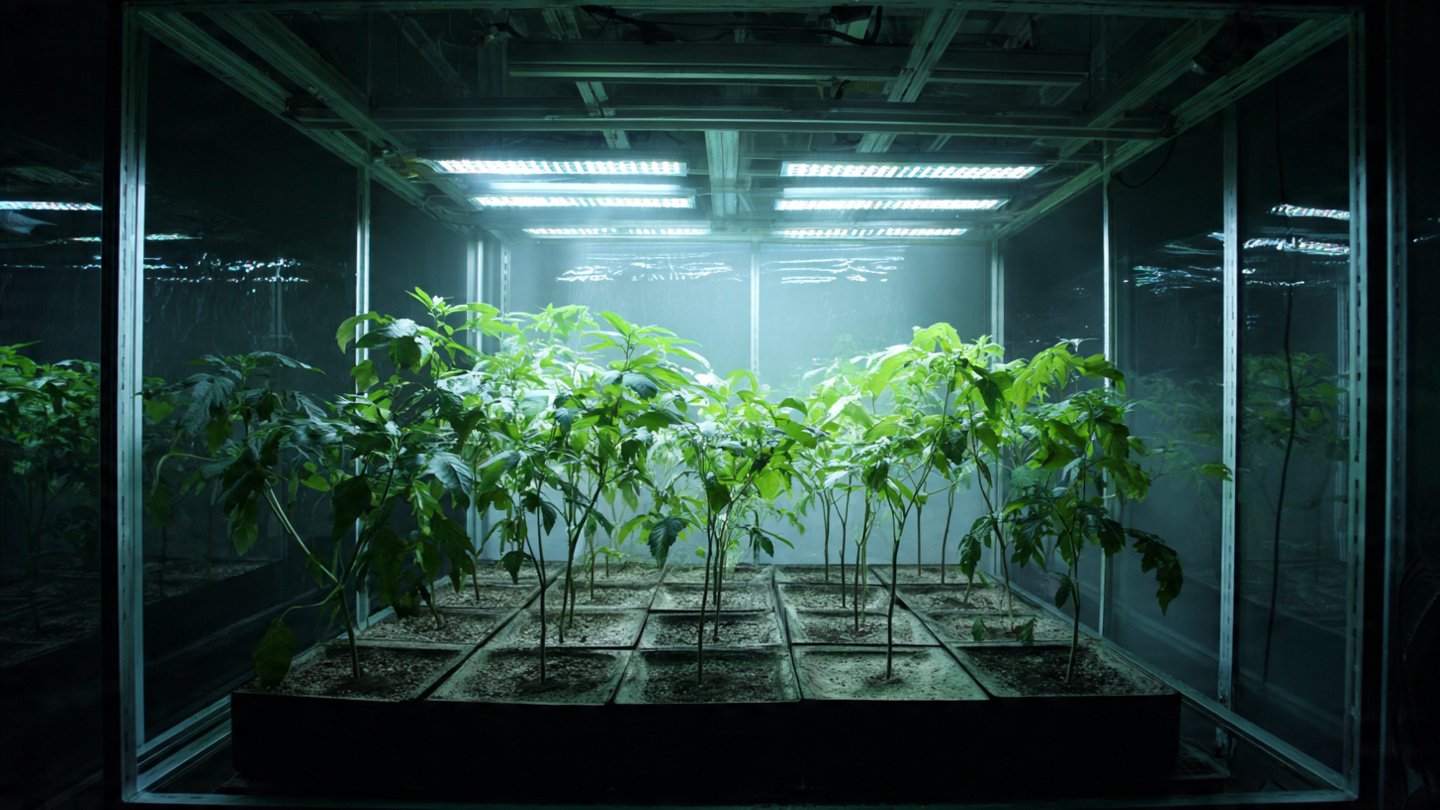

As winter approaches, many indoor gardeners face the challenge of reduced natural light. During this season, shorter days mean less sunlight for your beloved plants, which can hinder their growth and vitality. Fortunately, grow lights present a viable solution to ensure your plants continue to flourish throughout the colder months. In this article, we will explore how to effectively use grow lights to enhance natural sunlight and maximize plant growth in winter.
Understanding Grow Lights
Grow lights are artificial light sources designed to facilitate plant growth by emitting the spectrum of light that plants naturally absorb. These lights are particularly beneficial in winter when sunlight is scarce. Here, we’ll discuss the types of grow lights and how they can be beneficial:
- LED Grow Lights: Energy-efficient and long-lasting, LED grow lights emit specific wavelengths that promote vegetative growth and flowering.
- Fluorescent Grow Lights: These lights are popular for seedlings and small plants. They provide adequate light at relatively low energy costs.
- HID Lights (High-Intensity Discharge): Used for larger plants, they produce a lot of heat and light, making them ideal for serious indoor gardening but may require careful handling.
Enhancing Natural Sunlight
Using grow lights effectively means combining them strategically with the natural sunlight your plants receive. Here are some steps to maximize this combination:
1. Positioning Grow Lights
Proper positioning of grow lights is crucial to ensure that plants receive even light coverage. Here’s how to position your grow lights:
- Place grow lights about 6-12 inches above the plants, depending on the type of light used.
- Adjust the height as plants grow taller to avoid burning the foliage.
- Use adjustable hanging systems to easily reposition the lights.
2. Timing and Duration
Timing plays an essential role in optimizing plant growth. It’s crucial to provide an appropriate duration of light exposure. Here are some recommendations:
- For most indoor plants, aim for 12-16 hours of light per day.
- Use timers to automate the lighting schedule, ensuring consistent exposure without manual intervention.
- Monitor plant responses to adjust light durations based on growth and health.
3. Selecting the Right Spectrum
The light spectrum impacts plant growth significantly. Different stages of growth require different spectrums:
- Blue Light (400-500 nm): Encourages vegetative growth. Ideal for seedlings and young plants.
- Red Light (600-700 nm): Stimulates flowering and fruiting. Use during the transition from vegetative to flowering stages.
- Full Spectrum: Replicates natural sunlight, suitable for all growth stages. Consider full-spectrum LED lights for best results.
Choosing the Right Grow Lights
Choosing the right grow light can have a profound impact on your indoor garden. Consider the following factors:
- Energy Efficiency: Look for lights with Energy Star ratings to minimize energy costs.
- Heat Output: Be mindful of heat generation, as excessive heat can damage plants. LED lights are preferred for their low heat output.
- Light Intensity: Select lights that provide adequate light intensity suitable for the types of plants you’re growing.
Monitoring Plant Health
As you implement grow lights, monitor your plants’ health closely. Here are some indicators of how they’re responding to the additional light:
- Leaf Color: Healthy plants typically exhibit vibrant green leaves. Yellowing may indicate insufficient light.
- Stems and Growth Rate: Sturdy, upright stems are sign of adequate light and nutrients. Weak, leggy growth can imply a shortage of light.
- Flowering and Fruiting: If you’ve provided the correct light spectrum, you should see blooming and fruits developing at their optimal times.
Integrating Grow Lights with Other Care Practices
While grow lights are essential for maximizing plant growth in winter, they should be part of a comprehensive care regimen:
- Watering: Ensure plants are watered appropriately; overwatering is a common mistake in winter due to reduced evaporation rates.
- Humidity: Indoor environments can become dry in winter. Consider using humidifiers or pebble trays to increase humidity.
- Nutrients: Provide balanced nutrition through fertilizers to support enhanced growth in seasonally adapted plants.
Conclusion
Winter presents unique challenges for indoor gardening, but by effectively utilizing grow lights, you can mimic natural sunlight and create an optimal growth environment for your plants. By understanding the types of grow lights, proper positioning, timing, and light spectrum, you will enhance your plants’ growth and health during these colder months. Remember to monitor their condition closely and integrate grow lights with other essential care practices to ensure a thriving indoor garden even in winter.
Frequently Asked Questions (FAQs)
1. Do all plants need grow lights in winter?
Not all plants require grow lights, but most indoor plants benefit from additional light during winter months, especially if they are not receiving adequate natural sunlight.
2. How long should I leave grow lights on?
Most indoor plants thrive with 12 to 16 hours of light per day. Using a timer can help automate this process.
3. Can I use regular light bulbs instead of grow lights?
Regular light bulbs do not provide the specific light spectrum needed for optimal plant growth. It’s best to use specialized grow lights designed for this purpose.
4. How do I know if my plants are getting too much light?
Signs of too much light include leaf burning, wilting, or discoloration. If you notice these symptoms, reduce the intensity or duration of light exposure.
5. What is the cost of running grow lights?
The cost of running grow lights varies based on the type of lights used and the duration of usage. LED grow lights are typically more energy-efficient and lower in cost than other types.