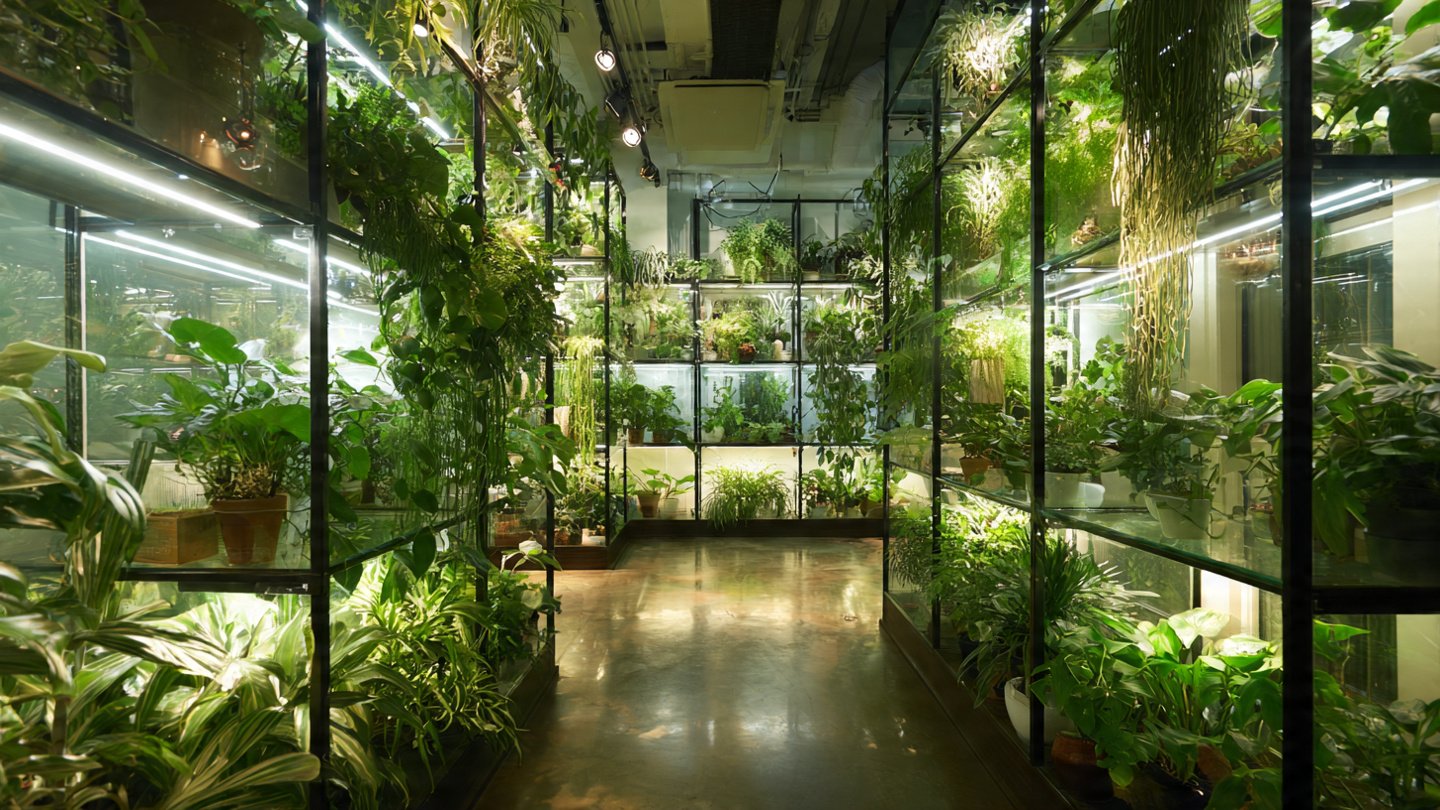

Indoor plants enliven any space, bringing nature indoors, improving air quality, and promoting mental well-being. However, space constraints can sometimes make it challenging to create a lush indoor garden. Utilizing vertical space can be a game-changer in building a thriving plant collection while adding aesthetic appeal to your home. Here’s how you can maximize vertical space effectively.
Understanding Vertical Space
Vertical space refers to the dimensions of your indoor space that extend upward. Many people overlook this area, but it can significantly augment your plant collection without requiring much floor space. By utilizing walls, shelves, and other vertical structures, you can create a garden that thrives in an upward direction.
Choosing the Right Plants
Before diving into how to utilize vertical space, consider which plants you would like to grow. Here are some great options:
- Pothos: Known for being hardy and fast-growing, pothos tend to trail or climb, making them excellent candidates for vertical space.
- Philodendron: These plants also thrive in vertical setups, allowing you to train them to climb.
- Ferns: Certain types of ferns do well in hanging baskets, adding a lush feel to vertical spaces.
- Succulents: These can be arranged in vertical gardens and require minimal care.
Wall-Mounted Planters
One of the easiest ways to take advantage of vertical space is through wall-mounted planters. These can come in various forms:
- Wall shelves: Install shelving to house pots or an entire collection of plants.
- Wall pockets: Fabric or felt pockets that can hold smaller pots; these are great for herbs or small flowering plants.
- Magnetic planters: These can cling to any metallic surface, such as a refrigerator door, allowing you to grow herbs within arm’s reach.
Hanging Plants
Hanging plants are a fantastic way to draw the eye upward. They can be hung from the ceiling, hooks, or wall brackets. Here are a few effective approaches:
- Macramé hangers: These not only hold pots but can create dynamic visual texture in your space.
- Hanging baskets: Use these for trailing varieties like ivy or ferns.
- Ceiling planters: If you have high ceilings, consider larger hanging baskets or even hydrophonics to make the most of your overhead space.
Vertical Gardening Systems
Vertical gardening systems are a specialized way to maximize plant growth in small areas. A few popular options include:
- Tower gardens: These can hold multiple plants in a compact structure, utilizing lights for growth.
- Planter walls: Create a wall of plants using stacked planters, which can be both decorative and functional.
- Vertical hydroponic gardens: These systems use nutrient-rich water to support plant growth, often saving space and providing easy maintenance.
Utilizing Ladders and Stands
Old ladders or tiered plant stands can make a stylish addition to your plant collection while maximizing vertical space. Options include:
- Repurposed ladders: Use a wooden or metal ladder to display an array of plants at different heights.
- Multi-tiered plant stands: These can be bought or built, offering various levels for accommodating different plant sizes.
- Utility carts: Metal carts with multiple shelves can be rolled into any area, providing flexible plant placement.
Effective Lighting Solutions
In addition to maximizing space, it is crucial to think about lighting. Many indoor plants thrive in bright, indirect light, which is often located at higher levels. Suggestions include:
- Grow lights: Install adjustable grow lights above taller plants to ensure they receive adequate light.
- Reflective surfaces: Use mirrors or light-colored walls to help bounce light around your vertical garden.
- Window placement: Arrange taller plants near windows while placing shorter ones at lower levels.
Maintenance Tips
Maintaining an indoor vertical garden may seem daunting, but some simple practices can make it manageable:
- Regular watering: Make sure to adjust your watering schedule based on the height and type of plants.
- Frequent inspection: Keep an eye out for pests and diseases, especially in tightly packed areas.
- Fertilizing: Use a balanced fertilizer to provide essential nutrients, especially if growing in a vertical hydroponic setup.
Conclusion
Maximizing vertical space can transform your home into a vibrant indoor garden, allowing you to cultivate a variety of indoor plants without compromising on floor area. By choosing the right plants, utilizing various vertical gardening techniques, and ensuring proper maintenance, you can enjoy the benefits of greenery in your living space. Whether you opt for wall-mounted planters, hanging plants, or tiered stands, the potential for creativity and growth is limitless. Start small, experiment with different plants and arrangements, and soon you’ll have an impressive indoor plant collection that flourishes in every nook and cranny.
FAQs
1. What plants are best for vertical gardening?
Plants such as pothos, philodendron, ferns, and succulents are ideal for vertical gardening as they thrive and adapt well to various lighting conditions.
2. Do I need special equipment for vertical gardening?
While some specialized systems exist, basic materials like shelves, hooks, and pots can suffice. Lighting may also be necessary depending on your plant choices and available natural light.
3. How do I ensure my plants get enough light?
Place plants near windows, use grow lights for high-reaching spaces, and rotate your plants regularly to make sure all sides receive light.
4. What are the maintenance requirements for indoor vertical gardens?
Regular watering, inspection for pests, and periodic fertilizing are essential to maintain the health of your vertical garden.