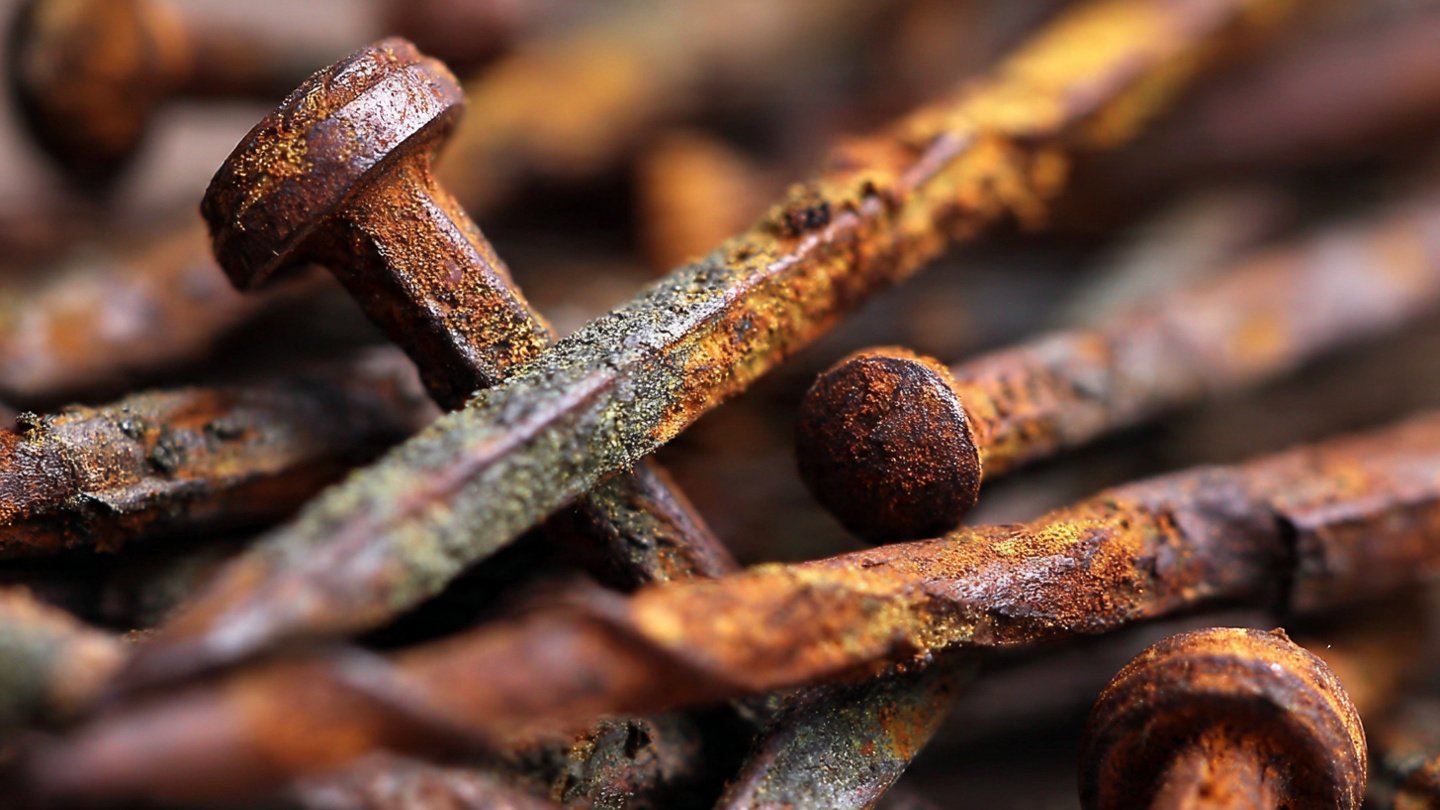

The idea of burying rusty nails in your garden soil might sound unconventional, yet it has roots in traditional gardening practices. Many gardeners swear by this method as a way to improve soil health and plant growth. But what are the actual benefits? Let’s explore the reasoning, science, and some precautions to consider.
The Science Behind Rusty Nails
Rusty nails are primarily made of iron, and when they corrode, they create iron oxides. Iron is an essential nutrient for plants, playing a critical role in photosynthesis and overall plant health. Here are a few reasons why burying rusty nails can be beneficial:
1. Source of Iron
Iron deficiency is a common problem in many gardens, often leading to chlorosis, which is characterized by yellowing leaves. When rusty nails degrade in the soil, they release iron in a form that plants can absorb. This bioavailable iron can improve plant growth and vitality.
2. Soil Aeration
Burying nails in the soil can improve aeration. As the nails corrode over time, they create small air pockets in the soil structure, allowing for better airflow and drainage. Good aeration is crucial for root development and overall soil health.
3. Slow Release of Nutrients
Unlike chemical fertilizers that can provide an immediate nutrient boost but can also lead to nutrient runoff and soil degradation, rusty nails offer a slow-release source of iron. This gradual process helps maintain a balanced nutrient profile in the long run.
Best Practices for Burying Rusty Nails
To make the most of burying rusty nails, consider the following best practices:
1. Use Different Types of Nails
Use common nails or screws rather than galvanized types, as galvanized nails contain zinc which can be harmful in large amounts. Look for nails that have seen better days—those that are more rusty and corroded are ideal.
2. Don’t Overdo It
Like anything in gardening, moderation is key. Too many nails can lead to excessive iron buildup, which can be toxic to plants. Consider placing a few nails in various spots in the garden rather than burying large quantities in one area.
3. Monitor Plant Health
After burying rusty nails, keep an eye on your plants. If you notice adverse effects like leaf discoloration or stunted growth, it may be a sign you’ve added too much iron. Adjust your approach accordingly.
Alternative Methods to Improve Soil Health
While rusty nails can provide iron and improve soil aeration, they are not the only method to enhance soil health. Here are some alternative methods:
1. Composting
Adding organic matter through compost not only enriches the soil but also improves its structure. Compost provides a balanced range of nutrients that can support diverse plant life.
2. Mulching
Using mulch helps retain soil moisture and prevents weeds while slowly decomposing to provide nutrients. Mulch made from wood chips, straw, or leaves can significantly improve soil conditions.
3. Crop Rotation
Rotating crops each season prevents nutrient depletion and reduces the risk of pests and diseases. Different plants have varying nutrient requirements, making rotation a smart strategy for maintaining healthy soil.
Environmental Considerations
When thinking about burying rusty nails, consider the environmental impact. While they can be beneficial, it’s important to think about whether they are the best option for your garden. Here are a few points to ponder:
1. Non-Toxicity
Rusty nails themselves are generally non-toxic. However, make sure that they have not been treated with harmful chemicals, as these could leach into the soil and negatively affect plant growth and soil ecosystems.
2. Local Regulations
Check local regulations regarding garden waste and materials. Certain regions may have guidelines about what can or cannot be buried in gardens, particularly if contamination is a concern.
Potential Risks and Concerns
While there are several benefits to burying rusty nails, there are some risks to consider as well. It’s important to be aware of the limitations:
1. Soil Toxicity
Excessive iron can lead to soil toxicity, which can be detrimental to certain plant species. Monitor your plants’ health closely to spot any signs of iron overload.
2. Physical Hazards
Ensure that nails are buried deep enough to prevent accidents. Exposed nails can pose a risk to pets and people working in the garden.
Conclusion
Burying rusty nails in your garden soil can provide an interesting way to improve soil health and plant growth, mainly due to the iron they release. However, like any gardening method, it should be done thoughtfully and in moderation. Keep an eye on plant health, experiment with different methods, and consider the overall impact on your garden’s ecosystem. By blending traditional practices with modern gardening techniques, you can cultivate a thriving garden that benefits from thoughtful and innovative approaches. Happy gardening!
FAQs
1. Is it safe to bury rusty nails in my garden?
Yes, as long as they are not treated with harmful chemicals, rusty nails can be safely buried in garden soil to provide iron and improve soil aeration.
2. How many rusty nails should I bury in my garden?
Moderation is key. A few rusty nails scattered around your garden are ideal. Avoid burying large quantities in one spot.
3. Can I use galvanized nails instead of rusty nails?
It’s best to avoid galvanized nails since they contain zinc, which can be toxic to plants in high concentrations.
4. How long does it take for buried rusty nails to decompose?
It may take several months to years for rusty nails to completely corrode and release their iron into the soil, depending on various environmental factors.
5. What signs indicate over-fertilization due to iron?
Symptoms like leaf yellowing, stunted growth, or browning tips might indicate iron overload. Monitor your plants closely after burying any nails.