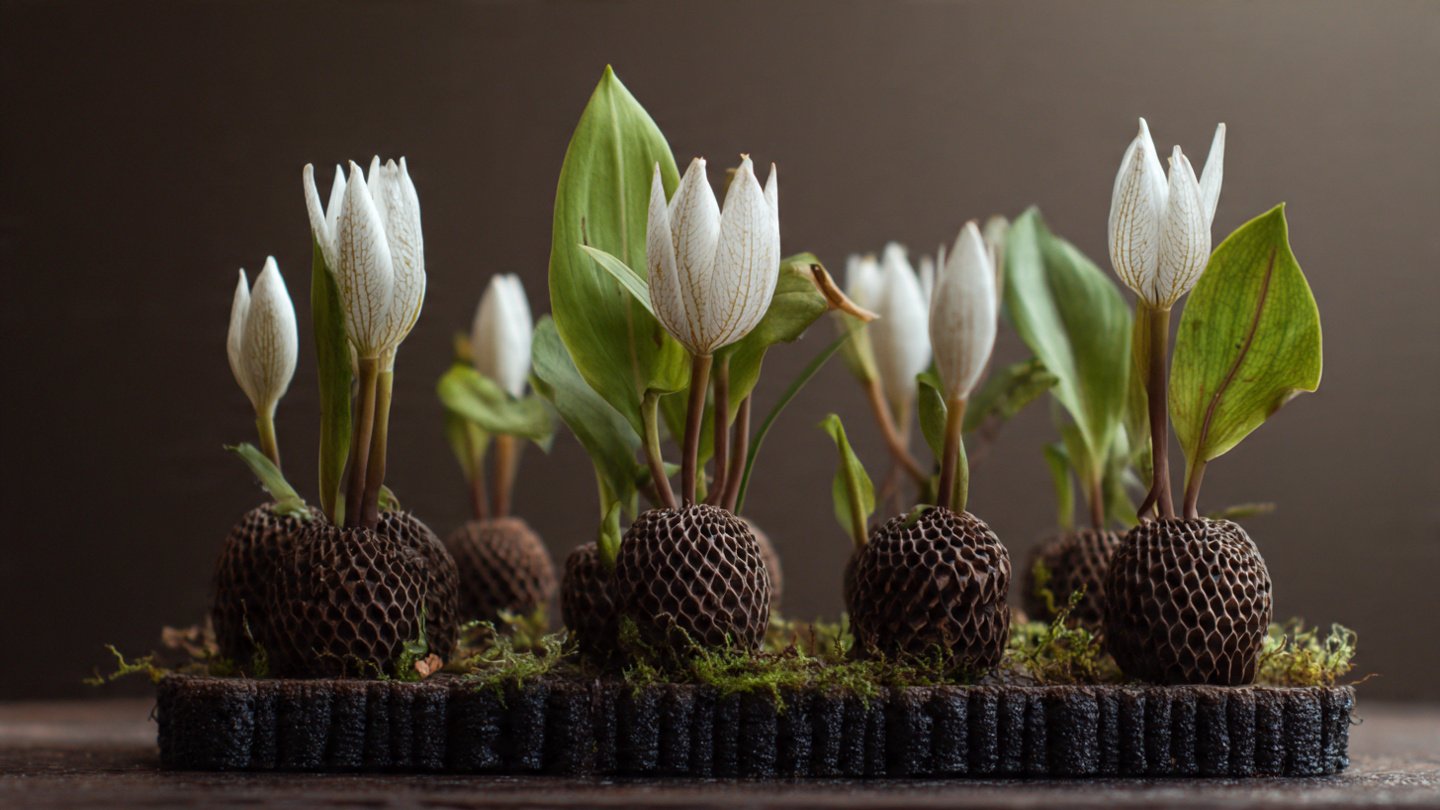

Lilies are among the most enchanting flowers in the gardening world. Their vibrant colors, lovely shapes, and intoxicating fragrances draw gardeners’ attention and admiration. One of the best-kept secrets among gardening enthusiasts is the method of propagating lilies from scales found on their bulbs. But, can you really grow lilies from these tiny scales? In this article, we will delve into the process, benefits, and tips for successfully cultivating lilies from their scales.
Understanding Lily Bulbs and Scales
Lily bulbs are composed of a series of scales, which are modified leaves that store nutrients. These scales are responsible for the vitality of the bulb and play a crucial role in the plant’s growth and development. Each scale can, under the right conditions, produce a new bulb, making them a valuable asset for propagation.
The scales are often overlooked, but if treated properly, they can be a source of new life. Each scale is capable of initiating a new plant, allowing gardeners to expand their lily collections without purchasing additional bulbs.
Benefits of Propagating Lilies from Scales
There are several benefits to propagating lilies from their scales:
- Cost-effective: Using scales allows gardeners to multiply their existing lilies without needing to buy new bulbs.
- Variety: This method enables the propagation of different lily varieties from a single bulb.
- Learning Experience: It provides an opportunity to learn about plant propagation and care.
- Personal Satisfaction: Watching a new plant grow from a tiny scale offers immense satisfaction and pride.
The Process of Growing Lilies from Scales
Materials Needed
To successfully propagate lilies from scales, gather the following materials:
- Healthy lily bulbs
- Sharp, clean knife or scalpel
- Small pots or seed trays
- Potting mix or well-draining soil
- Plastic wrap or a humidity dome
- Watering can or spray bottle
Step-by-Step Instructions
- Select a Healthy Bulb: Choose an undamaged, healthy lily bulb that has at least 3-4 healthy scales.
- Remove the Scales: Using a sharp knife, gently peel away the scales from the bulb. Aim for 10-12 scales per bulb for optimal growth.
- Prepare the Soil: Fill small pots or seed trays with a well-draining potting mix.
- Plant the Scales: Place each scale vertically (cut side down) into the soil, burying them about half an inch deep.
- Water Wisely: Moisten the soil lightly. Avoid overwatering, which can lead to rot.
- Create Humidity: Cover the pots with plastic wrap or a humidity dome to maintain moisture levels.
- Provide Light: Place the pots in a warm, brightly lit area but avoid direct sunlight that can overheat them.
- Wait for Growth: In 4-8 weeks, you should begin to see new growth in the form of tiny bulbs developing at the base of the scales.
- Transplant: Once the new bulbs are large enough (about the size of a marble), carefully transplant them into larger pots for further growth.
Tips for Successful Propagation
To ensure success when propagating lilies from scales, consider the following tips:
- Choose the Right Time: Late winter or early spring is the best time to propagate. This aligns with the natural growth cycle of lilies.
- Maintain Humidity: Check the moisture levels regularly. If too dry, the scales may not sprout, while excess moisture can cause rot.
- Be Patient: Growing lilies from scales takes time. Patience is essential as it may take several months to see significant growth.
- Monitor for Pests: Keep an eye out for pests like aphids or fungus gnats that may affect young plants.
Challenges and Considerations
While propagating lilies from scales can be rewarding, it’s not without challenges:
- Slow Growth: It may take 1-2 years for the new bulbs to grow big enough to produce flowers.
- Variable Success Rates: Not all scales will grow into successful bulbs; some may fail to sprout or thrive.
- Potential Disease: Ensure the original bulb is healthy to diminish the risk of diseases transferring to new plants.
Conclusion
Growing lilies from tiny scales found on bulbs is a fascinating and rewarding gardening project. It not only expands your garden collection but also provides a deeper understanding of plant propagation. While there are some challenges involved, the satisfaction of nurturing new life from seemingly insignificant scales is worth the effort. With proper techniques and a bit of patience, you can successfully grow beautiful lilies that will grace your garden for years to come.
Frequently Asked Questions (FAQs)
1. How long does it take for lily scales to produce bulbs?
It typically takes about 4-8 weeks for scales to start developing tiny bulbs. However, it may take 1-2 years for those bulbs to grow large enough to flower.
2. Can all types of lilies be propagated from scales?
Most true lilies (Lilium spp.) can be propagated from scales, but success rates may vary among different species.
3. What should I do if my scales are not sprouting?
Ensure they are in a humid environment with adequate moisture and warmth. If conditions are correct and they still fail, it may be worth trying scales from a different bulb.
4. How should I care for the bulbs once they have sprouted?
Once sprouted, care for them like any other lily plant, ensuring they have sufficient light, regular watering, and protection from pests and diseases.
5. Can I propagate lilies from bulb offsets instead of scales?
Yes, bulb offsets are also a viable method of propagation and may yield faster results compared to scales.