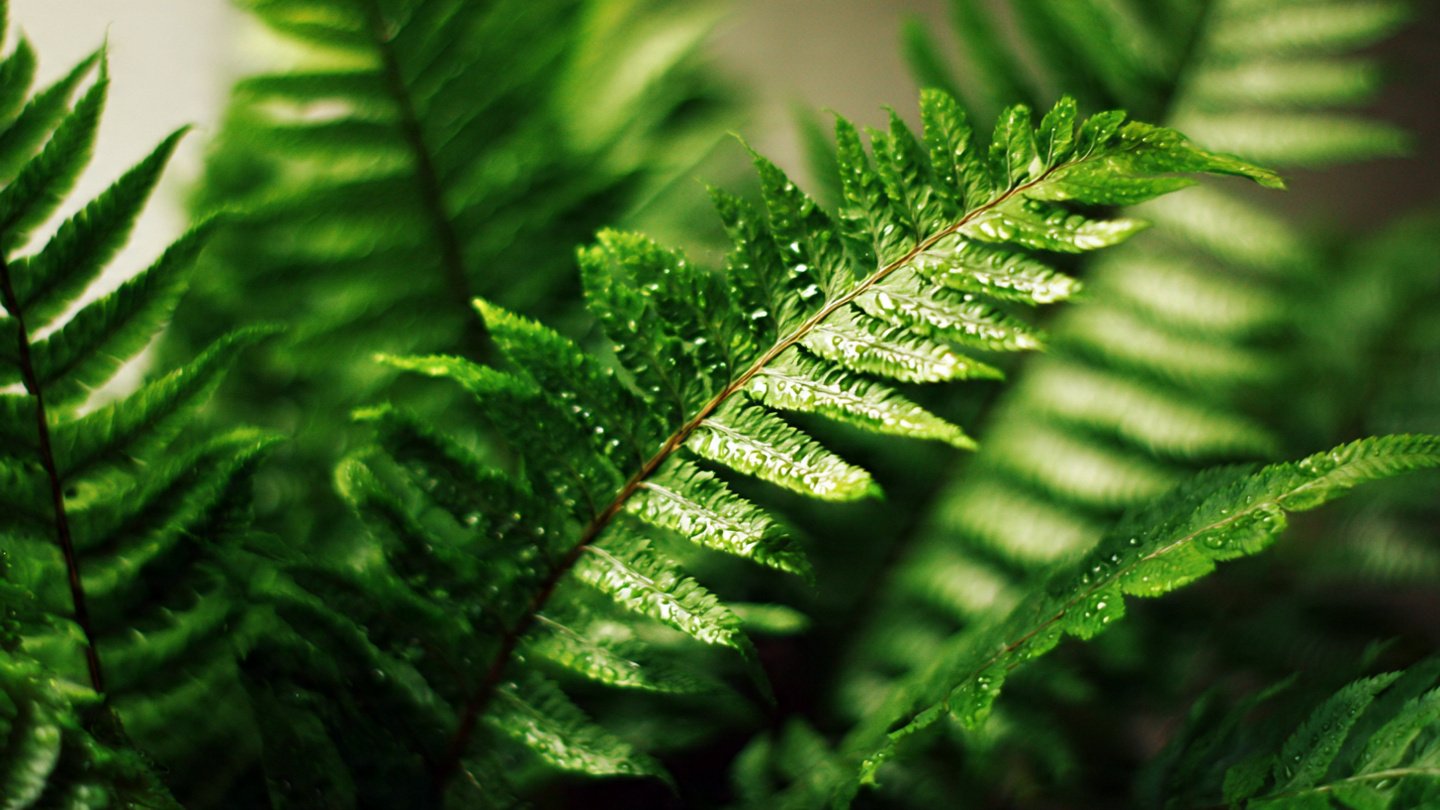

Fern leaves are a popular choice for indoor plants due to their lush green foliage and ability to thrive in various conditions. Understanding what makes these leaves maintain their vibrant color and healthy appearance indoors can enhance their longevity and beauty. This article will delve into the essential factors that contribute to the health of fern leaves in indoor environments, including light, humidity, soil, watering, and fertilization.
The Importance of Light
Light is one of the most critical factors affecting the vitality of fern leaves. These plants generally prefer indirect sunlight, which mimics their natural habitat found in shaded forest floors. Here are some key points regarding light for indoor ferns:
- Indirect Sunlight: Direct sunlight can scorch fern leaves, causing browning and wilting. Placing ferns in spots with filtered light, such as near a window with sheer curtains, is ideal.
- Low Light Tolerance: Many fern species thrive in low light, making them perfect for homes or offices with less natural light.
- Supplemental Lighting: If natural light is insufficient, consider using grow lights to provide the necessary light spectrum for photosynthesis.
Humidity Levels
Ferns thrive in humid environments, which can be a challenge in indoor settings, especially during winter months when heating systems reduce humidity levels. Maintaining the right humidity can help keep fern leaves green and lush:
- Ideal Humidity: Most ferns prefer humidity levels of 40-60%. Using a hygrometer can help monitor these levels.
- Humidifiers: Utilizing a humidifier can create a suitable environment for ferns, especially in dry climates or during colder months.
- Water Trays: Placing a tray with pebbles and water beneath the pot can help increase humidity around the fern.
Soil Quality
Choosing the right soil is essential for keeping fern leaves green and healthy. Ferns prefer well-draining, organic-rich soil. Key aspects include:
- Potting Mix: A potting mix specifically formulated for ferns or a mix of peat, pine bark, and perlite can provide adequate drainage and moisture retention.
- Soil pH: Ferns generally thrive in slightly acidic to neutral soil (pH 5.5 to 7.0). Regular testing of soil pH can help maintain optimal conditions.
Watering Techniques
Watering is crucial for indoor ferns. It’s essential to strike a balance, as both overwatering and underwatering can lead to yellowing or browning of leaves:
- Consistent Moisture: Ferns prefer consistently moist soil but not soggy. Checking the top layer of soil for dryness can guide watering needs.
- Type of Water: Use distilled or rainwater, as tap water with high levels of chlorine and fluoride can harm fern leaves over time.
- Watering Frequency: The frequency of watering should vary with the season. During the growing season (spring and summer), ferns may need more frequent watering compared to the dormant months (fall and winter).
Fertilization Practices
Fertilizing indoor ferns can significantly impact their growth and leaf color. Here are some tips for effective fertilization:
- Organic Fertilizers: Choose a balanced, water-soluble fertilizer or slow-release organic options. Organic fertilizers are less likely to harm ferns compared to synthetic ones.
- Feeding Schedule: Fertilizing can be done every four to six weeks during the growing season and reduced during the dormant season.
- Fertilizer Dilution: Always dilute fertilizers to half the recommended strength to avoid nutrient burn on fern leaves.
Pest Control
Indoor ferns can be prone to pests, which can affect the health of their leaves. Regularly checking for signs of pests is crucial:
- Common Pests: Spider mites, aphids, and mealybugs are common pests that can infest ferns.
- Pest Management: Use insecticidal soap or neem oil to treat infestations, and regularly wipe leaves to remove any dust or pests.
Conclusion
Keeping fern leaves green and lush indoors requires attention to light, humidity, soil quality, watering, fertilization, and pest control. By carefully managing these factors, you can ensure that your ferns thrive, adding a touch of greenery and tranquility to your indoor spaces. Regular monitoring and care will not only enhance their appearance but also contribute to a healthier living environment. Whether you are a seasoned plant parent or a newcomer to indoor gardening, adhering to these guidelines will help you enjoy lush, green fern leaves year-round.
FAQs
1. How often should I water my indoor ferns?
Watering frequency varies depending on the season and humidity. Typically, check the top layer of soil; if it feels dry, it’s time to water. Generally, ferns prefer consistently moist but not soggy soil.
2. Can ferns grow in low light conditions?
Yes, many fern species are well-suited for low-light environments and can thrive indoors with indirect sunlight.
3. What type of soil is best for ferns?
Ferns prefer well-draining, organic-rich potting mixes. A combination of peat, pine bark, and perlite works well.
4. How can I increase humidity for my ferns?
You can increase humidity by using a humidifier, placing a tray of water with pebbles under the pot, or misting the leaves regularly.
5. What should I do if my fern leaves are turning yellow?
Yellowing leaves may indicate overwatering, underwatering, or insufficient light. Assess your watering practices and the light conditions, and adjust accordingly.