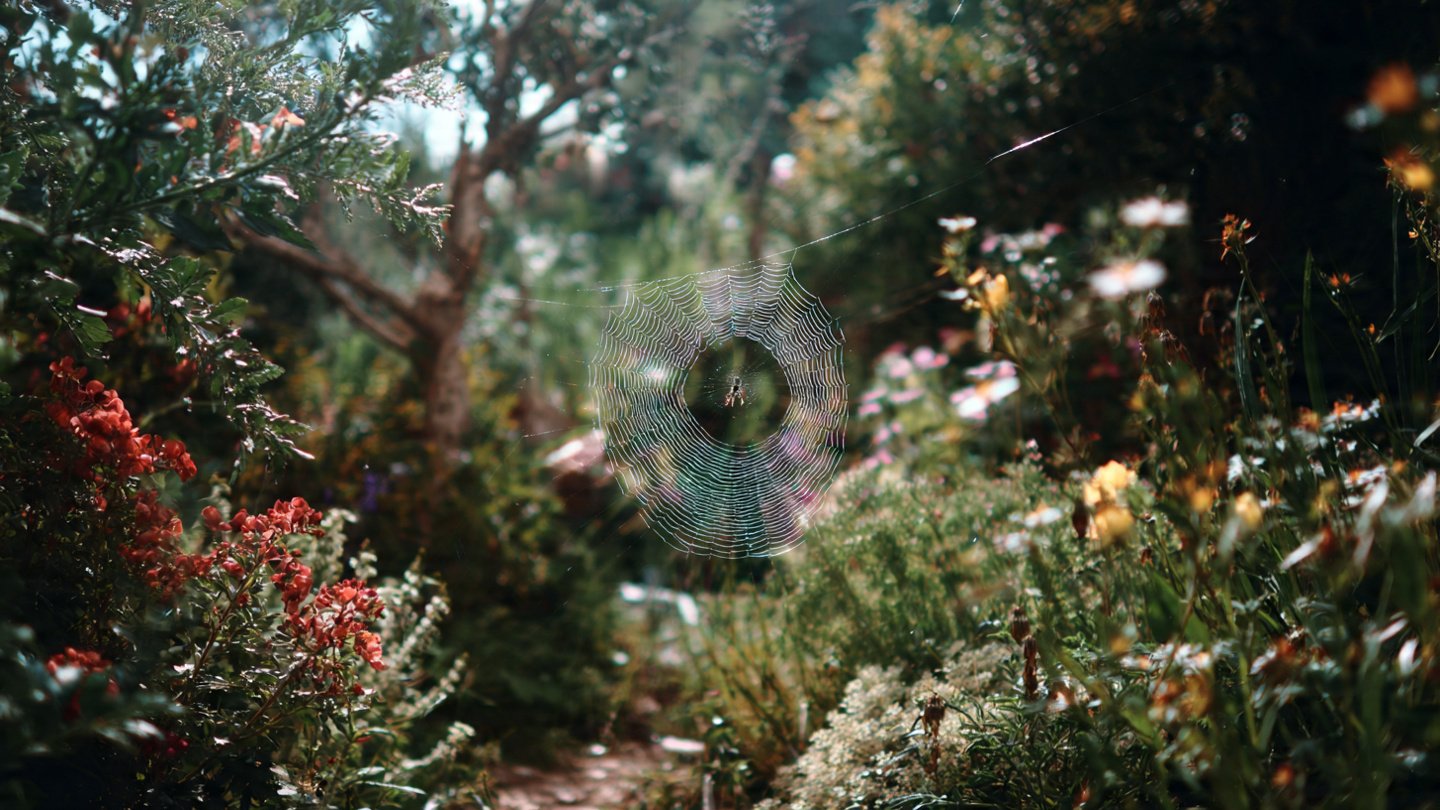

When we think of gardens, we often picture vibrant flowers, lush greens, and the buzzing of bees. Spiders, on the other hand, tend to evoke a mixture of fear and disgust. However, these eight-legged creatures play a crucial role in maintaining the ecological balance of your garden. In this article, we will explore why your garden needs more spiders and share effective ways to attract them.
The Role of Spiders in the Garden Ecosystem
1. Natural Pest Control
One of the primary benefits of having spiders in your garden is their incredible appetite for pests. Spiders are voracious predators that feast on insects such as aphids, mosquitoes, and flies. A single spider can consume hundreds of pests in a year, making them invaluable allies for organic gardeners.
2. Biodiversity Maintenance
Spiders contribute to the overall biodiversity of your garden. A diverse ecosystem is more resilient to pests and diseases. By attracting spiders, you enhance your garden’s health and stability, allowing it to flourish without excessive reliance on chemical pesticides.
3. Nutrient Cycling
As spiders hunt and consume other insects, they contribute to nutrient cycling in the garden. When spiders die, their bodies decompose, returning nutrients to the soil and promoting healthy plant growth.
4. Indicator Species
Spiders are often considered indicator species, meaning their presence or absence can provide insight into the health of the ecosystem. A thriving spider population typically indicates a balanced environment, suggesting that your garden is well-maintained and supports a variety of life forms.
Common Misconceptions About Spiders
Despite their benefits, many people harbor fears or misconceptions about spiders:
- Dangerous Creatures: While some spiders are venomous, the majority are harmless to humans. In fact, many species are necessary for a healthy garden.
- Unhygienic: Spiders do clean up messes by consuming decaying organic matter along with unwanted pests.
- Rapid Reproduction: While certain spiders can reproduce quickly, having a few in your garden does not lead to an infestation.
By debunking these myths and understanding the ecological benefits of spiders, gardeners can begin to embrace these beneficial creatures.
How to Attract More Spiders to Your Garden
Now that we understand the importance of spiders in the garden, let’s explore effective ways to attract them:
1. Create a Diverse Planting Scheme
Spiders thrive in environments rich in biodiversity. Plant a variety of flowers, shrubs, and trees to provide habitats for different spider species. Native plants are particularly beneficial as they attract a range of insects, giving spiders plenty of food sources.
2. Provide Shelter
Spiders require places to hide and build webs. Incorporate the following features into your garden:
- Mulch and Ground Cover: Use organic mulch to create moist microenvironments where spiders can thrive.
- Natural Debris: Leave some areas of your garden wild with fallen leaves, logs, and rocks. These natural materials provide excellent hideaways for spiders.
- Structures: Incorporate trellises, fences, and shrubs where spiders can create webs and find shelter from predators.
3. Minimize Chemical Use
Chemical pesticides not only harm insects but also disrupt the spider population. Opt for organic pest control methods and avoid harmful chemicals that can decimate beneficial insects, including spiders.
4. Increase Water Sources
Spiders need water to thrive. Incorporate small water features such as birdbaths or ponds, or simply place shallow dishes filled with water around your garden. Ensure these sources are cleaned regularly to prevent stagnation.
5. Introduce Companion Plants
Certain plants can attract spiders by drawing in their prey. Consider planting the following:
- Marigolds: Attract beneficial insects that spiders prey upon.
- Dill and Fennel: These herbs attract hoverflies, which lay eggs that become food for spiders.
- Sunflowers: Their large blooms attract a myriad of insects, making them perfect spider food.
6. Avoid Frequent Cleaning
While keeping your garden tidy is essential, excessive cleaning can remove spider webs and their habitats. Allow some webs to remain undisturbed and avoid overly manicured spaces, which can discourage spiders from settling in.
7. Educate Family and Friends
Encourage family members and friends to appreciate rather than fear spiders. Educating others about the benefits of spiders can lead to a more spider-friendly environment. Share stories of how spiders help maintain your garden’s health, emphasizing their crucial role in pest control.
8. Observe and Encourage Natural Webs
Take the time to appreciate spider webs in your garden. Rather than tearing them down, leave them be. Not only do they serve their purpose, but they also add an enchanting aesthetic to the garden. Observe how these webs catch sunlight, creating a unique beauty that complements your plants.
9. Plant Ground Covers
Ground covers like creeping thyme or clover provide a habitat that spiders love. These plants create a micro-ecosystem that supports various insects, which, in turn, offers a food source for spiders.
10. Create a Spider House
For those particularly interested in attracting spiders, consider building a small spider house. This can simply be a wooden box or a pile of natural materials. The idea is to create a sheltered environment where spiders can take refuge and thrive.
The Benefits of Embracing Spiders in Your Garden
As you work to attract more spiders to your garden, you will likely notice several benefits:
- Improved Pest Control: Spiders naturally keep pest populations in check, reducing the need for harmful pesticides.
- Healthier Plants: With fewer pests, your plants can thrive, resulting in healthier and more abundant growth.
- Increased Biodiversity: A spider-friendly garden supports a range of organisms, creating a thriving ecosystem.
- Reduced Maintenance: With natural pest control, your garden requires less frequent intervention and maintenance.
Conclusion
Ultimately, spiders are invaluable partners in the gardening process. By understanding their benefits and creating an environment that welcomes these creatures, you can enrich your garden’s ecosystem. Embrace the fearsome but fascinating world of spiders, and you’ll find that, rather than being pests themselves, they can become some of your garden’s best allies.