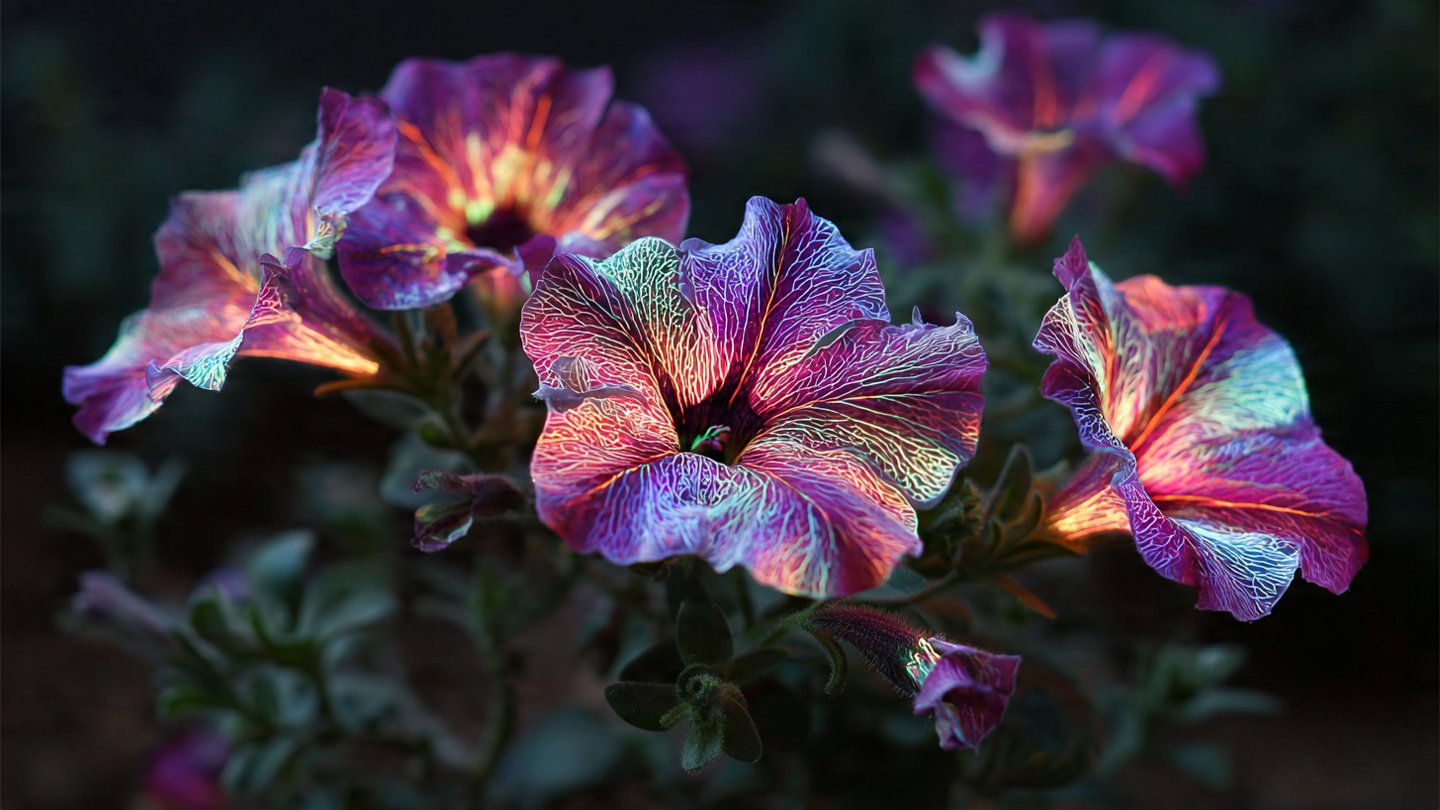

Gardening has long been a way for individuals to express creativity, cultivate beauty, and connect with nature. The advent of bioluminescence in flora, particularly with the emergence of bioluminescent petunias, poses a game-changing opportunity for gardeners and landscape designers alike. This article delves into how bioluminescent petunias could revolutionize the future of gardening.
Understanding Bioluminescence
Bioluminescence is a phenomenon where living organisms produce light through biochemical reactions. This natural occurrence is most famously seen in fireflies and certain types of fungi and marine animals. The mechanisms behind bioluminescence generally involve luciferin, a light-emitting compound, and the enzyme luciferase, along with other proteins.
Scientists have made strides in biotechnology, allowing them to transfer the genetic material responsible for bioluminescence to different plant species, including petunias. This technique opens a plethora of possibilities for ornamental gardening, creating plants that glow in various colors under specific conditions.
The Aesthetic Appeal of Bioluminescent Petunias
The most immediate transformation bioluminescent petunias offer is aesthetic. Imagine a garden that subtly glows at night, with vivid colors lighting up the surroundings. Luminescent plants could create striking visual displays, transforming outdoor spaces into enchanting landscapes that could be enjoyed day and night.
Petunias are already a favorite among gardeners for their vibrant colors and varied forms. The addition of luminescence could maximize their appeal. Homeowners looking to create a relaxing atmosphere, event planners organizing garden parties, or restaurants wanting to elevate their outdoor dining experience could all benefit from the captivating glow of bioluminescent petunias.
Eco-Friendly Lighting Solutions
One of the most significant trends in gardening is the push for sustainable practices. Bioluminescent petunias could provide a natural, low-energy solution for outdoor lighting. Instead of using electric lights that consume energy and contribute to light pollution, glowing plants may serve as natural lights, illuminating pathways and garden areas.
These plants could drastically reduce energy consumption, thereby lowering electric bills and lessening the environmental impact of outdoor events. This aligns with the increasing consumer preference for eco-friendly solutions and enhances the sustainability agenda in both personal gardens and public spaces.
Educational Opportunities
Bioluminescent petunias are also an excellent educational tool. As schools and educational institutions seek innovative ways to engage students in science, these plants could serve as an interactive demonstration of genetic engineering, ecology, and biodiversity. Through hands-on learning experiences, students can explore plant biology and the fascinating world of bioluminescence.
Workshops focused on cultivating these luminescent petunias may inspire the next generation of biotechnologists and environmentalists, combining gardening with science education in a fun and visually captivating manner.
Challenges and Considerations
While the prospects of bioluminescent petunias are enticing, there are challenges to consider. One concern is the potential ecological impact of introducing genetically modified organisms (GMOs) into the environment. Ensuring that luminescent petunias do not disrupt local ecosystems is critical.
Moreover, the initial production of bioluminescent varieties may be costly and limited in supply. As they capture the market’s interest, prices could be high before they come down as production processes become more standardized.
The Future of Bioluminescent Petunias
Looking ahead, the future of bioluminescent petunias involves a combination of marketing strategies, consumer education, and ongoing research into the potential environmental impacts. As gardeners become more familiar with bioluminescent plants, their popularity could soar, leading to increased accessibility around the world.
Innovations in genetic engineering will likely yield more luminescent plant varieties, widening consumer options. This could lead to unique landscaping solutions in urban settings, rooftop gardens, and even small residential spaces. Local gardening communities have the potential to share their experiences and creations with these unique plants, creating a flourishing culture around bioluminescent gardening.
Conclusion
Bioluminescent petunias signify a remarkable intersection of nature and technology, paving the way for exciting developments in the gardening sector. From creating stunning aesthetic experiences to providing sustainable lighting solutions and sparking educational opportunities, the benefits are manifold. As we move forward in a world increasingly focused on sustainability and innovation, bioluminescent petunias could emerge as an essential component of future gardens, enchanting our outdoor spaces while minimizing our ecological footprint.
FAQs
1. What are bioluminescent petunias?
Bioluminescent petunias are genetically engineered petunia plants that can produce light due to the incorporation of bioluminescent genes from other organisms, making them glow in the dark.
2. How are bioluminescent petunias created?
They are created through genetic engineering techniques, where scientists transfer the genes responsible for bioluminescence from organisms such as fireflies into petunias.
3. Are bioluminescent petunias safe for the environment?
While research is ongoing, careful regulation and assessment are crucial to ensure that they do not disrupt local ecosystems or biodiversity.
4. Can I grow bioluminescent petunias in my garden?
As they become commercially available, gardeners will likely have the opportunity to purchase and cultivate these unique plants at home.
5. What are some practical uses for bioluminescent petunias?
They can serve as natural lighting in gardens, provide educational opportunities, and offer new aesthetic experiences in landscaping and event decoration.