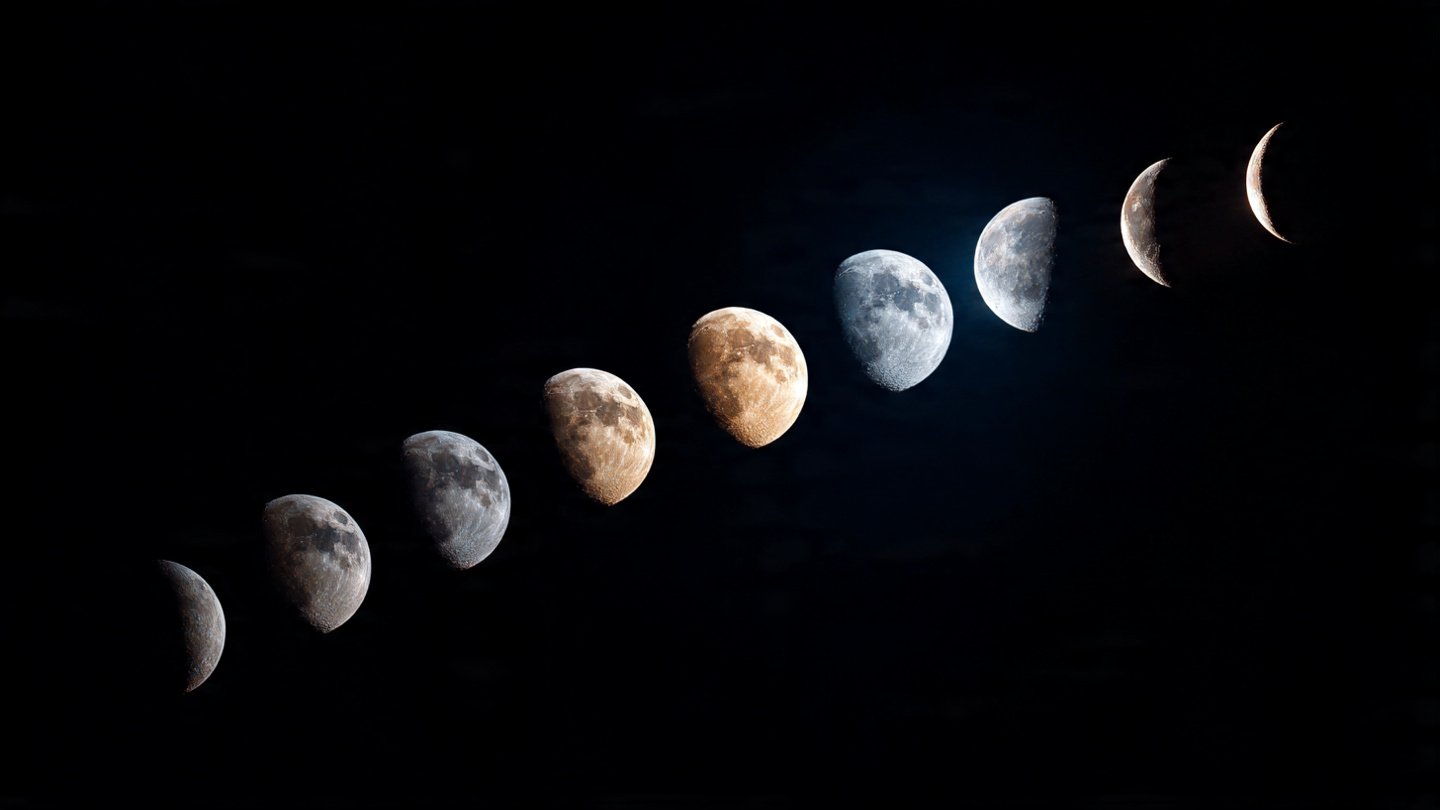

The practice of planting by moon phases is an ancient tradition that has baffled and fascinated gardeners, farmers, and botanists alike. While many may dismiss these lunar cycles as mere folklore, a growing body of evidence suggests that the moon’s influence extends beyond mere mythology. Understanding these phases can ultimately enhance your propagation success in surprising ways. This article delves into how moon phases affect plant growth and cultivation techniques, exploring the science and the lore behind them.
The Science of Moon Phases
Moon phases are divided into four primary stages: the New Moon, First Quarter, Full Moon, and Last Quarter. Each phase lasts approximately seven days, and as the moon orbits the Earth, it affects various natural processes, including tides, animal behavior, and perhaps most intriguingly, plant growth.
The New Moon
The new moon marks the beginning of the lunar cycle and is often considered the ideal time for planting seeds. During this phase, the gravitational pull of the moon is less intense, leading to a reduction in water levels in the soil. This condition is perfect for sowing seeds or starting new plants, as it reduces the risk of over-saturation and allows for better seed-soil contact.
The First Quarter
In the first quarter, the moon is growing brighter, and so too is the growth of the plants. This phase is optimal for planting leafy vegetables and annual flowers. The gravitational pull encourages upward growth, triggering plants to focus their energy on foliage rather than root development. This characteristic makes it an excellent time for gardeners seeking lush green growth.
The Full Moon
The full moon represents a time of heightened energy in nature. Interestingly, this phase is often associated with increased moisture levels, which can aid in root growth. It is a great time for transplanting established plants or working on root vegetables. The energy is said to encourage strong, resilient growth, making it ideal for planting hardy plants that can benefit from a little extra vigor.
The Last Quarter
During the last quarter, the moon wanes, and so too does the energy of plants. This is an excellent time for pruning, as the reduced foliage growth means less shock to the plant. It’s a good phase to remove dead or unhealthy branches and prepare plants for the upcoming new moon phase when growth begins anew.
Influence on Propagation Techniques
Propagation, whether through seeds, cuttings, or division, can be intricately linked to the moon phases. Here’s how to leverage lunar activity for maximum success:
Seed Propagation
Choosing the right time to sow seeds is crucial for successful germination. The New Moon phase is particularly favorable for planting seeds that bear fruit above ground, as the conditions support quick and vigorous growth. On the other hand, root vegetables, such as carrots and potatoes, thrive during the Full Moon when moisture levels are heightened.
Cutting Propagation
For those who propagate through cuttings, timing is key. The First Quarter, with its emphasis on upward growth, is often the best time to take cuttings. Plants will focus their energy on developing strong growth at this stage, improving the chances of successful rooting.
Divisional Propagation
When dividing perennials, the Last Quarter phase is considered beneficial. As the moon wanes, plants are said to focus their energy inward, making them less susceptible to shock. This is the ideal time to divide root-bound plants and prepare them for replanting.
Additional Influences of Lunar Phases
While the direct influence on plant propagation is significant, the moon phases can also affect other aspects of gardening that contribute to overall success.
Irrigation Dynamics
The moon’s gravitational pull can influence water retention in the soil. During the New Moon and Full Moon phases, moisture levels can rise, creating a humid environment ideal for seed germination. Understanding these dynamics can help gardeners optimize their irrigation schedules.
Pest and Disease Management
Timing your planting with lunar phases may also have an impact on pest populations. It is said that pests are less active during the New Moon phase, allowing newly planted seeds to establish themselves without immediate threats. Conversely, the Full Moon may attract certain pests, making it a crucial period for monitoring and pest control.
Crop Rotation and Companion Planting
Utilizing moon phases can also enhance crop rotation and companion planting strategies. Planting in accordance with lunar cycles can promote natural pest deterrence, improve soil health, and maximize nutrient uptake—all essential components for vigorous growth.
Conclusion
While the influence of moon phases on plant propagation may seem rooted in superstition, there is a rationale behind timing your gardening activities to these cycles. By aligning your propagation efforts with the lunar phases—sowing seeds at the New Moon, planting leafy crops in the First Quarter, transplanting during the Full Moon, and pruning in the Last Quarter—you may find surprising improvements in your success rates. As gardening continues to evolve, integrating ancient wisdom with modern science can deepen your connection with nature and yield fruitful results.
FAQs
1. Can any plant be affected by moon phases?
While most plants can respond to lunar phases, some are more sensitive than others. Leafy greens and flowering plants generally benefit more from this practice compared to certain hardy perennials.
2. Is it necessary to follow moon phases for propagation?
No, it’s not essential, but many gardeners find it beneficial. Following lunar cycles can optimize growth and yield, complementing other horticultural practices.
3. How can I track moon phases easily?
Numerous apps and websites provide lunar calendars. You can also consult gardening books that focus on planting by the moon.
4. Do all regions experience the same moon phases?
Yes, moon phases are universal, but their effects might differ based on local climatic conditions. It’s important to consider regional factors when planning your gardening activities.
5. What other celestial phenomena should I consider?
Besides the moon, seasonal changes, planetary alignments, and even solar cycles can influence plant growth, making them worthy of consideration in your gardening strategies.