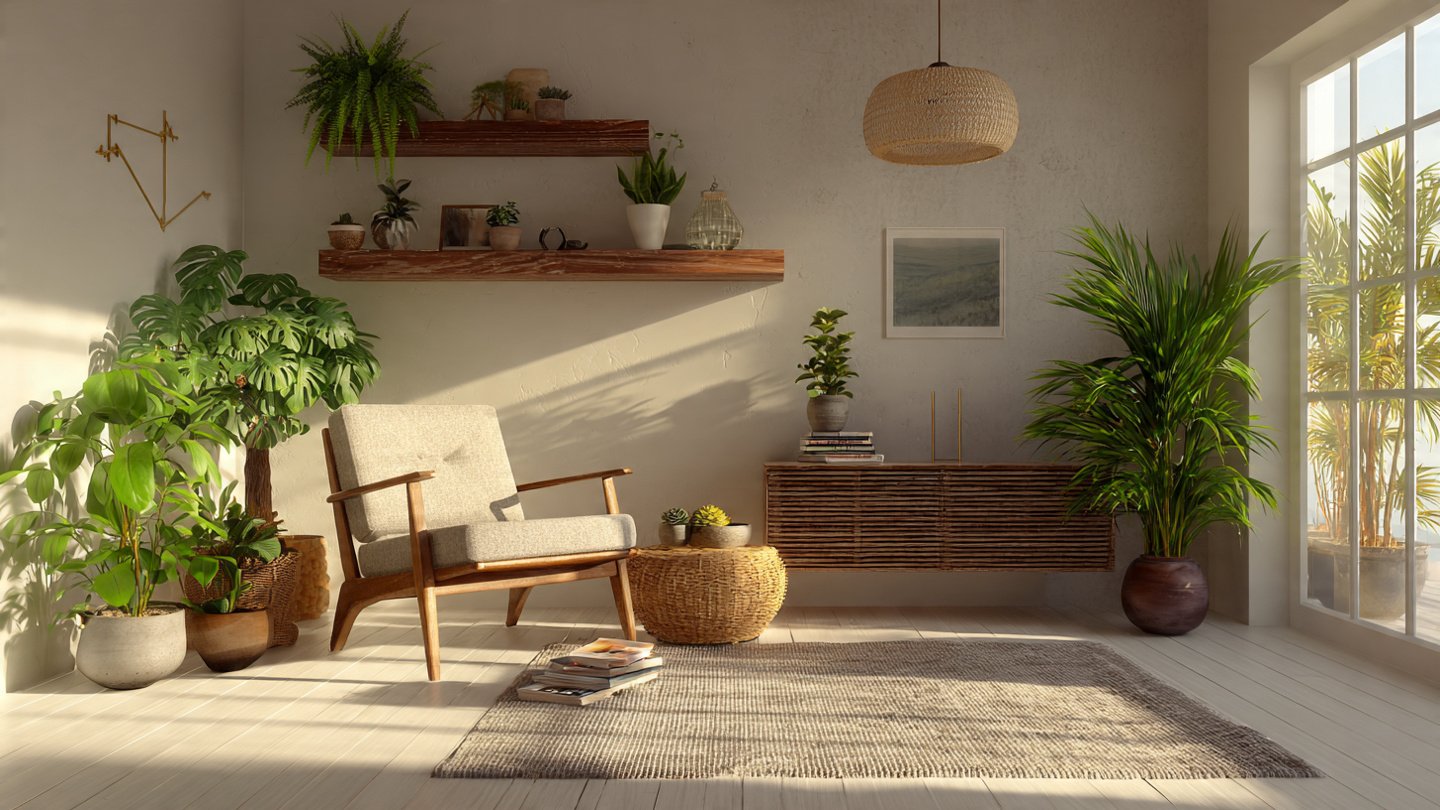

Creating a minimalist mid-century modern oasis involves more than just selecting the right furniture and color palette. The inclusion of thoughtfully chosen plants plays a key role in enhancing the aesthetic and ambiance of your space. This article will explore the best plants that complement the principles of mid-century modern design, focusing on simplicity, functionality, and organic forms.
Understanding Minimalist Mid Century Modern Design
Mid-century modern design, characterized by clean lines, organic shapes, and a harmonious connection between indoor and outdoor spaces, emerged in the mid-20th century. The minimalist aspect of this design philosophy embraces clutter-free environments, focusing on essential elements. This principle extends to plant selection, encouraging the use of greenery that accentuates simplicity and enhances the overall aesthetic without overwhelming the space.
Key Characteristics of Plants in Minimalist Design
- Simple Shapes: Plants with clean, geometric lines align well with the architectural elements of mid-century modern spaces.
- Neutral and Earthy Tones: Greenery that features subtle hues complements the warm, muted color palettes often seen in this style.
- Low Maintenance: In keeping with the minimalist ethos, choose plants that require minimal care.
- Scale and Proportion: Plants should be proportionate to the size of the room, creating balance without clutter.
Top Plants for a Minimalist Mid Century Modern Oasis
1. Snake Plant (Sansevieria)
The snake plant is renowned for its hardiness and architectural form. Its tall, upright leaves create a striking visual statement, making it ideal for corners or empty spaces. The plant’s ability to purify the air adds an extra benefit, making it a top choice for health-conscious decorators.
2. Fiddle Leaf Fig (Ficus lyrata)
With its large, dramatic leaves, the fiddle leaf fig is a standout in any room. It thrives best in bright, indirect light, making it perfect for well-lit, open spaces. Its bold presence adds a touch of elegance and sophistication to the minimalist aesthetic.
3. ZZ Plant (Zamioculcas zamiifolia)
This plant is a great option for those seeking low-maintenance greenery. Its glossy leaves and upright growth habit make it visually appealing, while its drought tolerance suits the minimalist lifestyle. The ZZ plant is perfect for enhancing modern decor without demanding too much attention.
4. Pothos (Epipremnum aureum)
Pothos is an adaptable trailing plant that can be styled in various ways—hanging from a shelf or cascading down a bookshelf. Its heart-shaped leaves and variegated patterns bring a whimsical touch to a minimalist setting, allowing for added interest without overwhelming the space.
5. Rubber Plant (Ficus elastica)
The rubber plant features large, glossy leaves that can vary in color from dark green to burgundy. It thrives in a variety of light conditions and can grow quite tall, making it an excellent focal point in living rooms or offices. Its minimalist shape and size make it a versatile addition to any decor.
6. Bird of Paradise (Strelitzia reginae)
This exotic plant is known for its striking leaves and unique flower formations. The bird of paradise can grow quite large, making it a dramatic statement piece in larger spaces. Its bold structure embodies the essence of mid-century modern design, providing an organic touch to streamlined environments.
7. Peace Lily (Spathiphyllum)
Peace lilies are known for their lush, dark leaves and beautiful white blooms. They thrive in low light, making them ideal for spaces that lack natural sunlight. Their elegant form and air-purifying qualities align perfectly with the goals of a minimalist aesthetic.
8. Cacti and Succulents
These desert plants lend an air of modern sophistication and are available in various shapes and sizes. Their unique textures and colors can inject personality into a minimalist space without clutter. Grouping small succulent arrangements can add interest to tabletops and windowsills.
Creating a Cohesive Look
To achieve a harmonious minimalist mid-century modern oasis, follow these tips on plant placement:
- Group in Odd Numbers: Arranging plants in groups of three or five can create a more natural and appealing look.
- Vary Heights: Incorporate plants of varying heights to create visual interest and draw the eye throughout the space.
- Use Simple Pots: Opt for neutral-colored pots made from natural materials to maintain a clean and uncluttered look.
- Layer Plant Types: Combine taller plants with smaller, trailing varieties to create depth and dimension.
Care Tips for Minimalist Plants
While mid-century modern plants are often low-maintenance, following care tips ensures they thrive:
- Watering: Always check the soil moisture before watering to avoid overwatering.
- Lighting: Position plants according to their light requirements, adjusting for seasonal changes.
- Fertilizing: Feed plants during the growing season for optimal growth, using organic fertilizers when possible.
- Pest Management: Regularly inspect plants for pests and treat problems early to maintain health.
Conclusion
Incorporating the right plants into a minimalist mid-century modern space can significantly enhance its beauty and ambiance. From the tall and striking fiddle leaf fig to the subtle elegance of the peace lily, the options are vast and diverse. By selecting plants that align with the principles of minimalist design—simple shapes, earthy tones, and low maintenance—you can create a tranquil oasis that reflects your personal style. Remember that the key lies in balance and cohesion, ensuring each plant complements your overall decor rather than competes with it. As you create your sanctuary, allow nature to intertwine with your living space, enriching your environment and your well-being.
FAQs
1. How many plants should I include in my minimalist space?
It depends on the size of the space. Aim for a few carefully selected plants that enhance the environment without overcrowding it. Arranging plants in odd numbers, such as three or five, often looks more appealing.
2. What type of pots should I use for my plants?
Simple, neutral-colored pots made from natural materials like ceramic or terracotta work best for a minimalist look. Choose pots that complement the plant’s form, highlighting its beauty without drawing too much attention.
3. Are there plants that are completely maintenance-free?
While no plant is entirely maintenance-free, some are extremely low-maintenance, like the ZZ plant and snake plant. They can thrive with minimal care, making them perfect for a busy lifestyle.
4. Can I place plants in low-light areas?
Yes, some plants, like the peace lily and snake plant, are well-suited for low-light conditions. Be sure to choose plants that match the light availability in your space.
5. How can I style plants in my space?
Consider grouping plants of various heights and forms to create interest. Use shelves, hanging pots, or plant stands to display them. Avoid clutter by keeping arrangements simple and balanced.