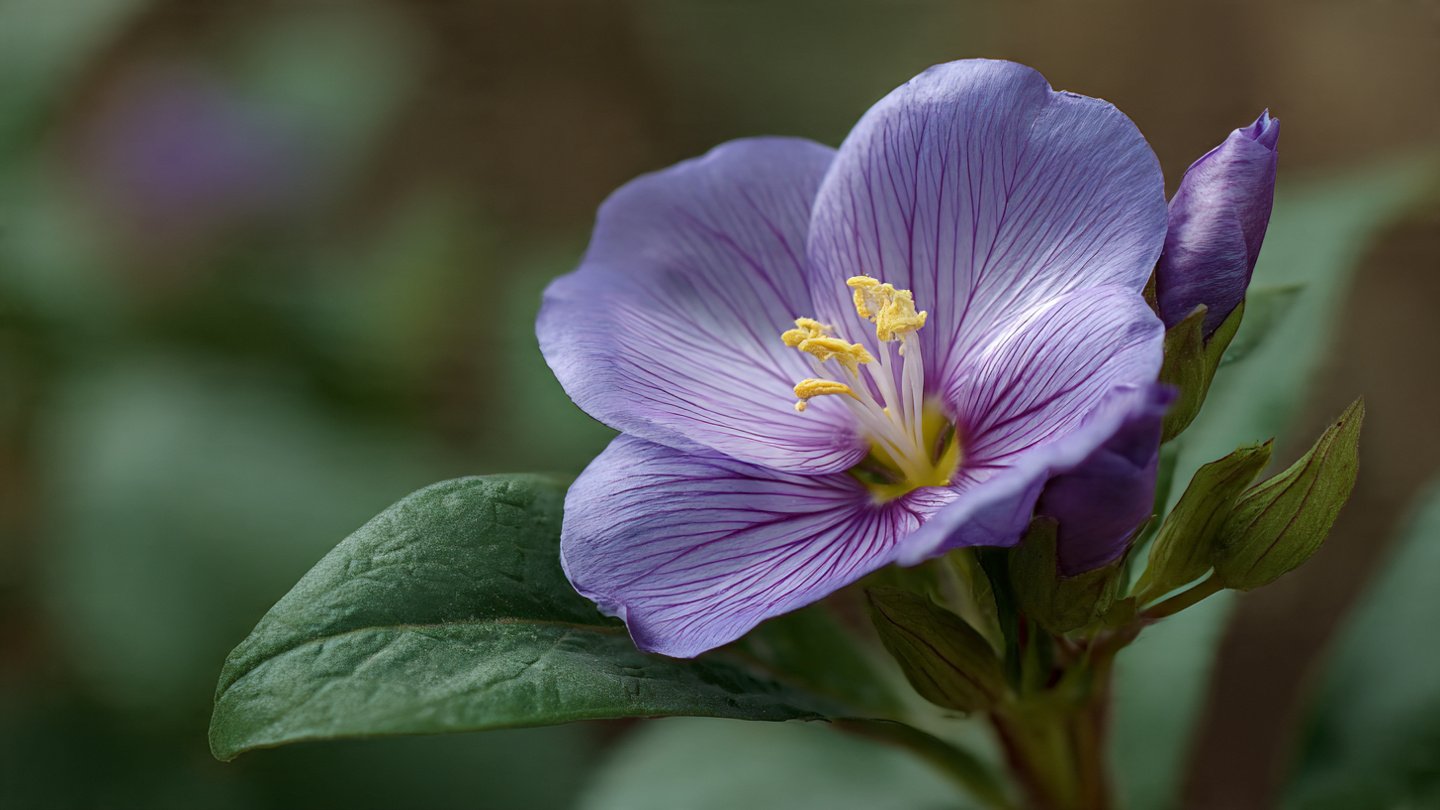

Garden flowers often bring color and beauty to our environment, but did you know that some of these common blooms are not just for show? Certain garden flowers can actually be edible and offer various health benefits. One such flower is the nasturtium, a vibrant and charming addition to many gardens. This article will explore how nasturtiums are edible, beneficial, and can be incorporated into your diet.
What’s Special About Nasturtiums?
Nasturtiums (Tropaeolum majus) are known for their bright colors and beautiful shapes, making them a favorite in gardens and as ornamental plants. However, beyond their visual appeal, nasturtiums are packed with nutrients and have culinary uses that are often overlooked.
Nutritional Benefits of Nasturtiums
Nasturtiums are not just pretty flowers; they are also nutritious. Here are some key benefits:
- High in Vitamin C: Fresh nasturtium leaves and flowers are rich in vitamin C, which is essential for a healthy immune system and skin.
- Contains Antioxidants: These flowers contain antioxidants that help combat oxidative stress in the body.
- Aids Digestion: Nasturtiums have been traditionally used to stimulate appetite and aid digestion, making them a great addition to salads.
Culinary Uses of Nasturtiums
Nasturtiums have a unique peppery flavor, similar to that of arugula, making them a versatile ingredient in many dishes. Here are some creative ways to use them:
1. Salads
Fresh nasturtium leaves and flowers can be tossed into salads for a burst of color and flavor. They pair well with ingredients like goat cheese, nuts, and vinaigrettes.
2. Garnishes
The striking colors of nasturtium flowers make them ideal for garnishing dishes. Use them to decorate soups or main courses for an elegant presentation.
3. Infused Oils and Vinegars
Nasturtium can be infused into oils and vinegars, creating a flavorful addition to dressings. Simply steep the leaves and flowers in oil or vinegar for a few days to extract their essence.
4. Pesto
Try making a unique pesto by replacing some of the basil in your recipe with nasturtium leaves. This will add a vibrant flavor and color to your dish.
5. Soups
Incorporate nasturtiums into soups, either by blending them into the soup base or using them as a finishing garnish.
Health Benefits and Medicinal Uses
Beyond their culinary appeal, nasturtiums have medicinal properties that can benefit your health:
1. Antimicrobial Properties
Studies have shown that nasturtiums possess antimicrobial and antifungal properties, making them beneficial for fighting infections.
2. Respiratory Health
The leaves of nasturtiums can help soothe coughs and respiratory issues. They have traditionally been used to alleviate colds and relieve congestion.
3. Skin Health
Due to their high vitamin C content and antioxidant properties, nasturtiums can help promote healthy skin. They can be used topically as well—infusing the flowers in oils for a nourishing skin treatment.
4. Anti-Inflammatory Effects
Nasturtiums also have anti-inflammatory properties that may help reduce inflammation in the body, aiding overall health and well-being.
How to Grow Nasturtiums
Growing nasturtiums is relatively easy, making them accessible even for novice gardeners. Here’s how to cultivate them:
1. Soil Requirements
Nasturtiums thrive in well-draining soil with good sunlight. They adapt well to poor soils, so you don’t need to over-fertilize them.
2. Planting Seeds
Plant seeds directly in the garden after the last frost, or start them indoors a few weeks earlier. They germinate quickly and can produce lush foliage in no time.
3. Watering
Keep the soil moderately moist, but avoid overwatering as this can lead to root rot. Nasturtiums are quite drought-tolerant once established.
4. Pest Resistance
Interestingly, nasturtiums can attract beneficial insects and deter pests, making them a great companion plant in a vegetable garden.
Conclusion
Nasturtiums are a delightful addition to any garden, offering not only aesthetic beauty but also edible and beneficial properties. From their peppery flavor enhancing a variety of dishes to their medicinal benefits, nasturtiums are indeed a remarkable flower. By incorporating these flowers into your diet, you can enjoy their myriad health benefits while adding a splash of color to your meals. Whether you’re a gardener, a chef, or someone looking to explore new culinary avenues, nasturtiums deserve a place on your plate!
FAQs
1. Are nasturtiums safe to eat?
Yes, nasturtiums are safe to eat. However, ensure that they are grown in pesticide-free environments.
2. How do I prepare nasturtiums for eating?
Rinse the flowers and leaves under cold water. They can be eaten raw in salads or cooked in various dishes.
3. Can I use nasturtiums in cooking?
Absolutely! Nasturtiums can be used in salads, soups, garnishes, and even infused oils.
4. Do nasturtiums have any side effects?
Generally, nasturtiums have no known side effects for most people. However, those with allergies to the caper family should exercise caution.
5. How can I preserve nasturtiums?
You can preserve nasturtiums by drying them, freezing them in ice cubes, or infusing them in oils or vinegars.