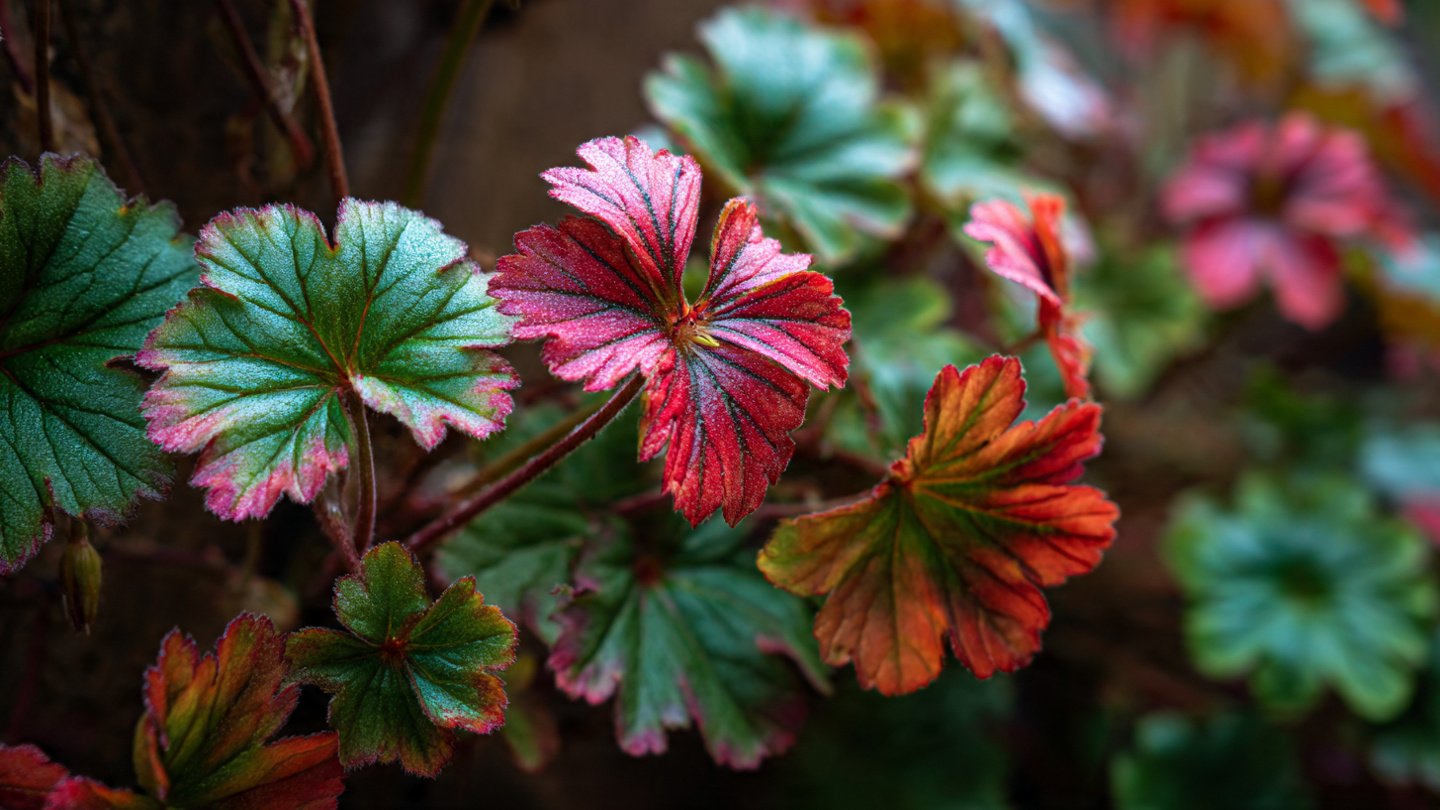

Geraniums are beloved garden plants admired for their vibrant blooms and heart-shaped foliage. However, if you’re noticing that the leaves of your geraniums are turning red during colder weather, you might be concerned about the health of your plants. Red leaves can be alarming, but understanding the reasons behind this color change can help you take effective measures to care for your geraniums.
Understanding Geraniums
Before delving into the causes of red leaves, it’s essential to understand the typical characteristics of geraniums. These flowering plants belong to the family Geraniaceae and are available in various species and hybrids, each boasting unique colors and shapes. Geraniums thrive in temperate climates, enjoying full sun and well-draining soil. They can be grown both outdoors and indoors, depending on the variety.
The Color Change Phenomenon
The red coloration in geranium leaves can be attributed to several factors, primarily environmental stressors. Cold temperatures are one of the most significant triggers, causing the plants to undergo physiological changes that result in red pigments appearing in their leaves. The two main pigments involved in this process are anthocyanins and chlorophyll.
1. Anthocyanins: The Red Pigments
Anthocyanins are water-soluble pigments found in many plants, giving flowers and fruits their red, purple, or blue hues. In geraniums, these pigments become more pronounced when the plant is under stress, such as in cold weather. The stress can lead to a reduction in chlorophyll (the green pigment), allowing the anthocyanins to become visible and impart a reddish hue to the leaves.
2. Temperature Exposure
Geraniums are sensitive to temperature fluctuations. When exposed to cold weather, especially temperatures below their threshold tolerance (around 50°F or 10°C), they can exhibit a stress response. This response may lead to increased anthocyanin production as a protective mechanism against oxidative stress caused by low temperatures. It is essentially the plant’s way of adapting to adverse conditions.
Other Contributing Factors
While cold weather is the primary culprit, other factors can also contribute to the reddening of geranium leaves:
- Sunlight Exposure: In some cases, insufficient or excessive sunlight can trigger anthocyanin production. Geraniums need about 6 hours of direct sunlight per day; too little light can stress the plant.
- Watering Practices: Overwatering or underwatering can stress geraniums, leading to color changes. Ensure that the plant’s soil is well-draining and not soggy.
- Nutrient Deficiencies: A lack of essential nutrients, particularly phosphorus and potassium, can cause abnormal pigment production. A balanced fertilizer during the growing season can help mitigate this issue.
- Pests and Diseases: Infestations by pests (like aphids or spider mites) or infections from diseases can lead to stress in geranium plants, resulting in color changes.
Management and Prevention
Understanding the causes of red leaves can guide you in managing your geraniums effectively. Here are some strategies to help your plants thrive, even when temperatures drop:
1. Location and Protection
For outdoor geraniums, consider their placement. If you expect a cold spell, cover them with frost cloth or move potted geraniums indoors or to a sheltered location. If they are planted in the ground, consider mulching to help insulate the soil.
2. Watering Practices
Monitor your watering habits. Ensure that the soil is dry to touch before watering and avoid overhead watering in the evening. Proper drainage plays a crucial role in maintaining the health of your geraniums.
3. Nutritional Support
Using a balanced fertilizer can prevent nutrient deficiencies. Fertilize your geraniums during the growing season, following the instructions on the product label for the proper application rates.
4. Pest Management
Regularly check your plants for signs of pests or disease. If detected early, appropriate control measures can keep your geraniums healthy, preventing stress-related issues.
Conclusion
Red leaves on geraniums during cold weather can be a sign of stress, primarily triggered by low temperatures, but also influenced by factors like sunlight, watering habits, nutrient availability, and pest infestations. By understanding these factors, you can take proactive steps to mitigate stress and ensure your geraniums remain healthy and vibrant. With the right care, geraniums can continue to flourish, adding beauty to your garden or home, even in less-than-ideal weather conditions.
FAQs
1. Should I be worried if my geranium leaves turn red?
Not necessarily. Red leaves can indicate stress, particularly from cold temperatures, but it can also signify normal changes in pigment production. Monitor your plant’s overall health for any signs of further distress.
2. How can I tell if my geranium is suffering from a nutrient deficiency?
Look for signs like stunted growth, yellowing leaves, or abnormal coloration. A balanced fertilizer can help address these issues.
3. Can I save my geraniums if they look wilted and their leaves are turning red?
Yes! Assess the environmental conditions—adjust watering, protect them from cold, and ensure they have adequate sunlight. Most plants can recover with proper care.
4. Is it possible to prevent my geraniums from turning red in cold weather?
While some color change might be inevitable due to the cold, you can minimize stress by protecting them from frost, ensuring proper watering, and providing adequate nutrients.