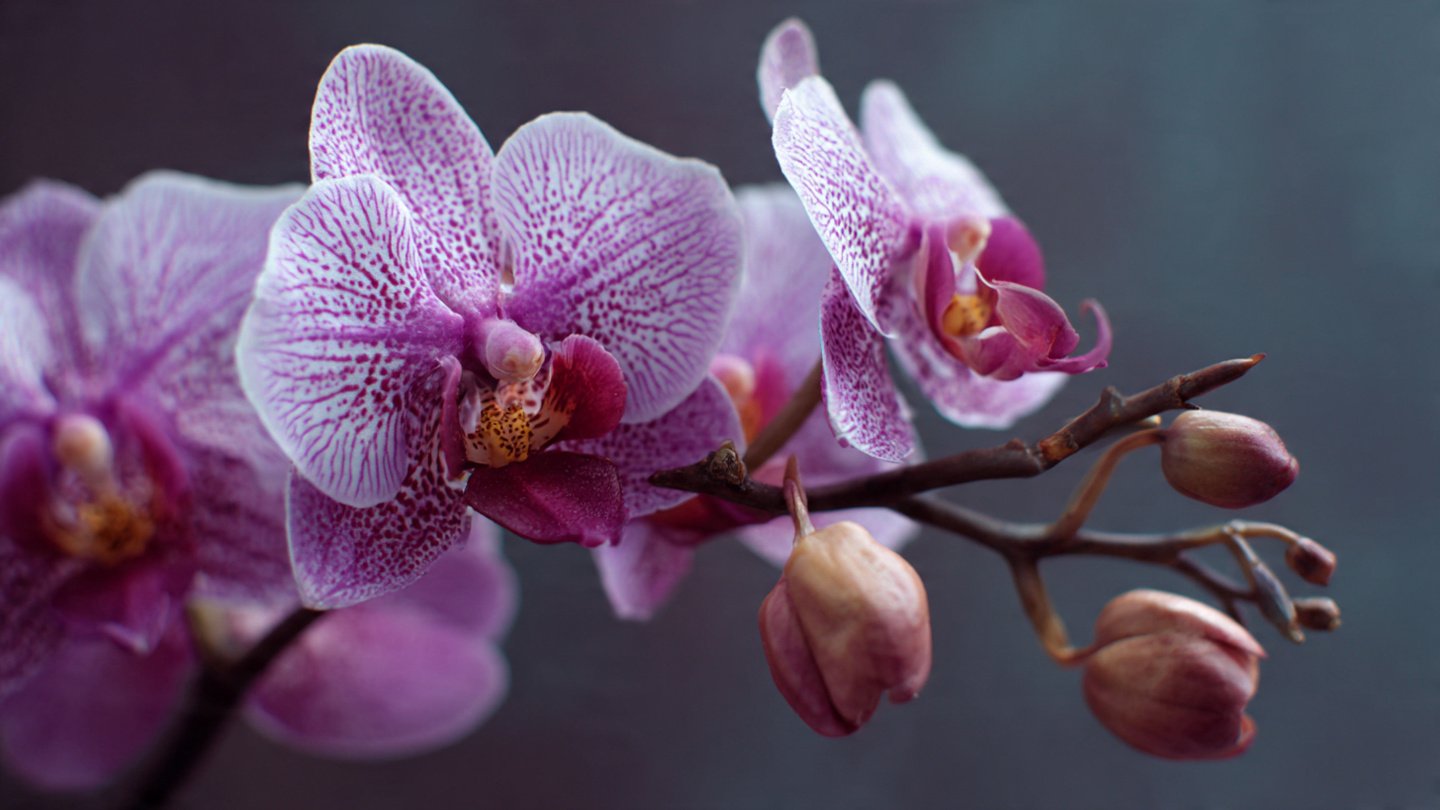

Orchids are one of the most popular houseplants around the globe, cherished for their exotic appearance and diverse range of varieties. However, many orchid owners often find themselves in a dilemma when their stunning flowers stop blooming. This article seeks to unlock the secrets to reviving your orchid and getting it to bloom once again. You’ll learn about various factors that affect blooming, care practices, and troubleshooting tips to encourage your orchid to blossom.
Understanding Orchid Lifecycles
Before diving into how to make your orchid bloom, it’s essential to understand its lifecycle. Orchids generally follow a cycle of growth, rest, and bloom. Understanding this cycle can help you provide the right care at each stage.
- Growth Phase: This is when new leaves and roots are produced. Usually happens in spring and summer.
- Rest Phase: After the growth phase, orchids enter a rest period where they conserve energy. This can occur in fall and winter.
- Bloom Phase: This is when the orchid produces its beloved flowers, often following a period of rest and proper care.
Factors Affecting Orchid Blooming
Now that we have the lifecycle down, let’s explore some factors that can influence whether or not your orchid will bloom.
1. Light
Orchids require a specific amount of light to thrive and bloom. Insufficient light can lead to poor flowering. Many orchids need bright, indirect sunlight. Overexposure to direct sunlight can harm the plant, causing leaf burn.
2. Watering
Watering is crucial for an orchid’s health. Over-watering can lead to root rot, while under-watering can cause stress. Most orchids prefer to dry out a little between watering. A good rule is to water once a week, increasing frequency during the growth phase.
3. Fertilization
Feeding your orchid is vital for encouraging blooms. Use a balanced orchid fertilizer every two weeks during the growth phase and reduce to once a month during the rest phase. Ensure the fertilizer contains the essential nutrients like nitrogen, phosphorus, and potassium.
4. Temperature and Humidity
Orchids prefer a stable temperature range, typically between 65°F to 75°F (18°C to 24°C) during the day and slightly cooler at night. Humidity levels should also be around 40-60%. A humidifier or pebble tray with water can help maintain these levels.
Tips for Encouraging Your Orchid to Bloom
Selecting the right care practices can significantly enhance your chances of getting your orchid to bloom again. Here are some expert tips for bringing those flowers back.
1. Mimic Natural Conditions
Try to replicate the natural environment of your orchid. Most orchids come from tropical climates, so they thrive in similar conditions at home. Position your orchid near east or west-facing windows, where they can receive bright but indirect light.
2. Repotting
If it has been more than two years since your orchid was repotted, consider doing so. A fresh potting medium ensures better aeration and fresh nutrients. Use a specialized orchid potting mix that typically contains bark, sphagnum moss, or perlite.
3. Provide Rest Periods
After a blooming period, allow your orchid to rest. This means reducing watering and stopping fertilizer application for a few weeks. The plant will rejuvenate and gather energy for the next blooming phase.
4. Prune Wisely
After the flowers fade, trim the old flower stalk to encourage new growth. However, if the stalk is still green, you may leave it; some orchids may rebloom from the same stem.
Troubleshooting Common Issues
Despite your best efforts, you might encounter issues that prevent your orchid from blooming. Here are some common problems and their solutions.
1. Yellow Leaves
Yellow leaves can indicate over-exposure to sunlight or too much water. Assess the lighting and adjust your watering schedule promptly.
2. Lack of Growth
If your orchid shows signs of inactivity, consider if it is getting enough light and nutrients. You might also need to check for pests or diseases.
3. Flower Drop
If flowers fall prematurely, it could result from a sudden change in environment, such as temperature or humidity fluctuations. Keep your orchid in a stable location, avoiding drafts and sudden temperature changes.
Conclusion
Bringing your orchid back to life and encouraging it to bloom again requires patience and diligence. By understanding its basic needs, such as light, water, temperature, and nutrients, you can create an ideal environment for your orchid. Implement these tips, be aware of common issues, and take proactive measures to help your orchid thrive. With the right care, your orchid can bring joy and beauty to your home time and time again.
FAQs
1. How long does it take for orchids to bloom again?
Typically, orchids may take several months to a year to bloom again after the initial flowers fade. The wait can vary depending on the species and growing conditions.
2. Should I cut the roots of my orchid when repotting?
Only cut the roots if they are dead or rotting. Healthy roots are crucial for the plant’s health and should be handled with care during repotting.
3. Can I use regular plant fertilizer on my orchid?
It’s best to use a fertilizer specifically formulated for orchids, as they have tailored nutrient ratios that support their growth and blooming.
4. How often should I water my orchid?
Watering frequency depends on the climate and potting medium, but a general guideline is to water once a week, allowing the top inch of the medium to dry out between waterings.