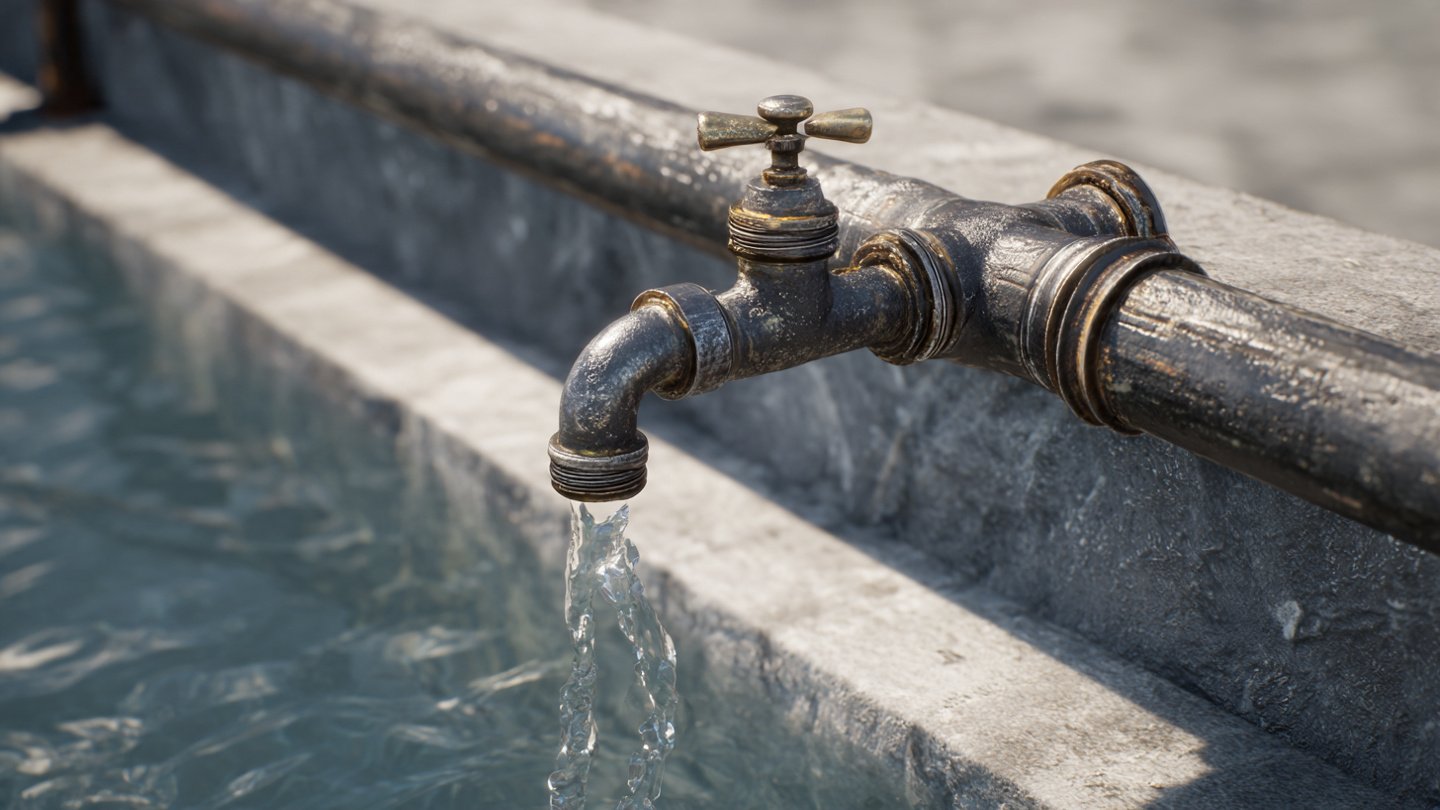

When it comes to designing a water system for your property, options abound, ranging from electric pumps to advanced filtration systems. However, one method stands out for its simplicity, reliability, and efficiency: the gravity-fed water system. While this system is often associated with rural settings, it can also be an excellent choice for urban environments, especially when considering specific applications like railing maintenance in gardens, farms, and homes. This article delves into why you might consider a gravity-fed water system as your best choice for various applications, including railing maintenance.
Understanding Gravity Fed Water Systems
Gravity-fed water systems utilize the natural force of gravity to transport water from a higher elevation to a lower one. Typically, water is stored in a tank elevated above the area that requires water, whether it’s a garden, a farm, or even a household. As the water flows downward, it can be directed through pipes or hoses, allowing for irrigation, washing, or even filling containers.
Key Components:
- Water Source: This could be a rainwater collection system, a natural spring, or even a water tank filled from municipal supplies.
- Storage Tank: Elevated tanks are crucial for creating pressure through gravity.
- Distribution System: This consists of pipes, hoses, or even drip irrigation systems that direct water where it’s needed.
Advantages of Gravity Fed Water Systems
1. Cost-Effectiveness
One of the primary reasons to choose a gravity-fed system is its low operational cost. Unlike electric pumps that require a continuous power supply and maintenance, gravity systems operate independently of electricity. This means reduced energy bills and minimal maintenance costs.
Long-term Savings
The financial benefits extend beyond initial setup. Gravity systems can lead to significant long-term savings by eliminating the need for electric wiring and reducing maintenance expenses associated with pump systems.
2. Simplicity and Reliability
The straightforward design of a gravity-fed water system means it’s less likely to break down compared to more complex systems. Fewer moving parts translate to fewer issues. When it does require maintenance, the repairs are often straightforward and inexpensive.
Dependable Supply
In emergencies, such as power outages or pump failures, a gravity-fed system remains operational as long as there’s a water source. This reliability is crucial for maintaining healthy plants and keeping railings clean, especially in gardens.
3. Environmental Sustainability
Gravity-fed systems promote sustainability. By using rainwater, for instance, users can reduce their reliance on municipal water supplies, leading to lower carbon footprints. Additionally, these systems are often designed with natural materials, making them more eco-friendly than synthetic alternatives.
Rainwater Harvesting
Harnessing rainwater not only conserves water but also eliminates runoff, which can cause soil erosion and flooding.
4. Low Maintenance Requirements
While all water systems require some level of upkeep, gravity-fed systems are relatively low maintenance. Regular tank cleaning and occasional repairs are typically the extent of what’s needed.
Long-lasting Infrastructure
Because the systems are often built from durable materials—like PVC or galvanized steel—they can last for years if properly maintained. This longevity makes them an excellent investment for homeowners and landscapers alike.
5. Versatile Applications
Beyond simple irrigation, gravity-fed systems can be employed for various applications. For instance, they can be utilized for washing garden railings, with water pressure being easily adjustable based on the elevation of the storage tank.
Railing Maintenance
Railings, especially those in outdoor settings, require regular cleaning to prevent the accumulation of dirt, moss, and algae. A gravity-fed water system can easily facilitate this task, making it easier to maintain aesthetics and longevity.
6. Natural Filtration
As water seeps through soil layers or gravel, it undergoes natural filtration, removing impurities. This means the water that reaches your plants or railings is often safer and cleaner than chemically treated municipal water.
Healthier Plants and Surfaces
Using natural and clean water can promote healthier plants and reduce wear on surfaces like railings, which can corrode or degrade from harsher chemicals.
7. Customization Options
You can easily customize a gravity-fed system to meet the specific needs of your property. From tank sizes to pipe dimensions, you can tailor the system to fit your space.
Expandability
If you decide to expand your garden or add more railings, adapting a gravity-fed system is generally straightforward. You can add additional tanks or extend existing pipes with minimal hassle.
8. Accessibility in Remote Areas
In rural or remote locations where electricity is inaccessible, gravity-fed water systems offer a feasible solution. They enable consistent water supply without the complications of electrical systems.
Emergency Preparedness
In times of natural disasters or emergencies, having a reliable water source installed can be vital. Gravity-fed systems can act as a backup system when other sources may fail.
9. Aesthetic Considerations
Gravity-fed systems can be designed aesthetically to complement your landscape. Elevated tanks can be built with wood or stone to blend into the environment, adding a rustic charm that might enhance property value.
Integration with Landscape Design
By integrating your water system with railings, paths, and plants, you can create a cohesive look that’s both functional and visually appealing.
Challenges and Considerations
Despite the many advantages, gravity-fed water systems are not without challenges. Understanding these can help you make a more informed decision.
1. Elevation Requirements
For a gravity-fed system to function effectively, you must have a sufficient elevation difference. This might not be feasible in all properties, particularly those that are flat.
Site Assessment
Before installation, it’s crucial to assess your property to determine if an appropriate elevation can be achieved without significant earth-moving work.
2. Flow Rate Limitations
Gravity systems can have limitations regarding flow rate and pressure, especially over long distances. The larger the area or the farther the water must travel, the less effective gravity alone may be.
Storage Tank Size
A larger storage tank can help maintain a consistent supply, but you also need to ensure that the tank is at the right elevation to counteract this issue.
3. Initial Setup Costs
While operational costs tend to be lower in the long run, the initial setup may still incur expenses. Elevating tanks and installing appropriate piping might require a financial outlay.
Budget Planning
Consider your budget and long-term value. Investing in a quality system upfront can yield significant benefits later on.
Conclusion
A gravity-fed water system presents a compelling option for anyone looking to maintain railings and gardens efficiently and sustainably. With benefits ranging from cost-effectiveness and simplicity to versatility and environmental sustainability, this method stands out as one of the best choices for a variety of applications.
By weighing the advantages against potential challenges, you can make a more informed choice that suits your needs. Whether for residential, agricultural, or horticultural use, a gravity-fed system can help ensure a reliable and effective water supply for all your needs. As you consider your options, remember that the key to a successful water system lies in thoughtful design, quality materials, and a clear understanding of your specific requirements.