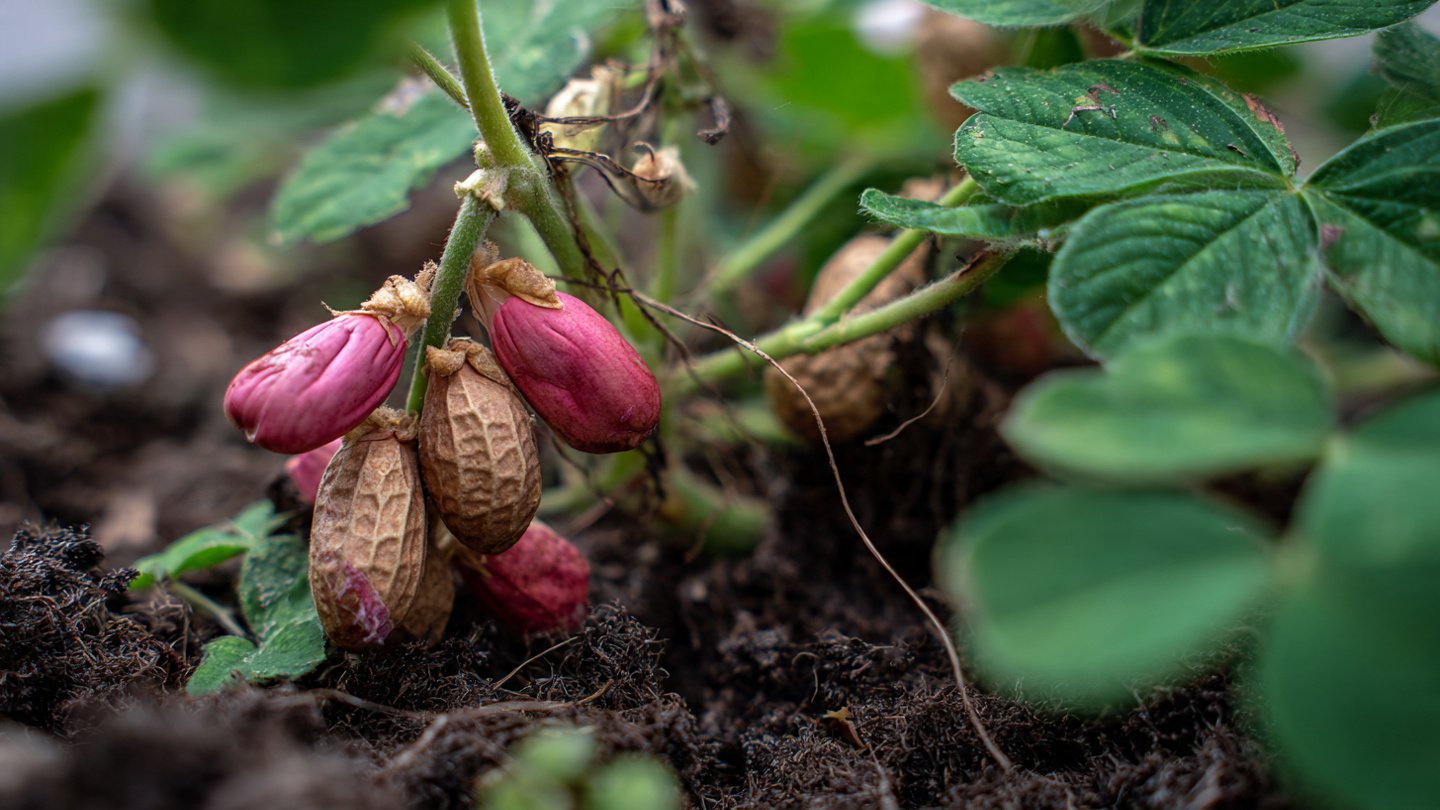

Peanuts, scientifically known as Arachis hypogaea, are often associated with the warm, sunny climates of the southern United States. However, enthusiastic gardeners in Northern regions can successfully cultivate these legumes with some planning, adaptation, and a bit of care. Growing peanuts in a northern backyard presents unique challenges and rewards, offering a satisfying gardening experience that can lead to a bounty of this versatile and nutritious food.
Understanding Peanuts
Before delving into the nitty-gritty of growing peanuts, it’s essential to understand what they are and how they grow. Peanuts are not true nuts; they belong to the legume family, which means they are more closely related to beans and lentils than to tree nuts like almonds or walnuts. Peanuts grow underground, developing in pods after flowering. The plant requires a warm growing season, typically around 120 days from sowing to harvest.
Choosing the Right Variety
The first step to successfully growing peanuts in a northern backyard is selecting the right variety. There are primarily four types of peanuts, but for northern gardeners, the following varieties are recommended due to their shorter growing seasons:
Virginia Peanuts: These are large and have a rich flavor but require longer growing seasons.
Runner Peanuts: These varieties are medium-sized and are more compact, commonly grown for commercial purposes but adaptable to northern climates.
Spanish Peanuts: These smaller peanuts have higher oil content and mature faster, making them suitable for cooler climates.
Valencia Peanuts: Known for their sweet flavor, they typically have a shorter maturity time as well.
Selecting a fast-maturing variety, such as Spanish or Valencia, can help ensure a successful growing season in the North.
Preparing the Soil
Soil Type and Preparation
Peanuts thrive in well-drained, sandy loam soil with a pH level between 6.0 and 7.0. Before planting, assess your soil quality. If you have heavy clay or poorly draining soil, consider amending it with organic matter such as compost or well-rotted manure to improve drainage and fertility.
Testing the Soil: Use a soil test kit to assess pH levels and nutrient content. This will help you understand what amendments are necessary.
Tilling: Work the soil to a depth of at least 12 inches, breaking up clumps and removing rocks or debris. Loosened soil allows peanut roots to penetrate and grow more easily.
Fertilization: Peanuts are nitrogen-fixing plants, which means they can produce their own nitrogen; nevertheless, they benefit from phosphorus and potassium. A balanced fertilizer or one low in nitrogen can promote healthy growth without encouraging excessive foliage at the expense of pods.
Timing is Key
Peanuts are sensitive to frost. In northern regions, it’s vital to plant them after the last frost date when soil temperatures reach at least 65°F (18°C). You can use a soil thermometer for accuracy. In many northern areas, this typically ranges from late May to early June.
Planting Peanuts
Seed Preparation
Before planting, prepare your seeds. Raw peanuts can be obtained from garden centers or seed catalogs specifically requiring untreated seeds:
Soaking: Soak the peanuts in water for 24 hours to encourage germination. This step can be optional but may shorten the germination time.
Sprouting: You can also pre-sprout peanuts by placing them in a damp paper towel for a few days until they begin to sprout tiny roots.
Planting Method
Spacing: Plant peanuts about 1-2 inches deep, with approximately 4-6 inches between each seed, and rows spaced about 2-3 feet apart. This spacing allows air circulation and room for the plants to grow.
Watering Post-Planting: After planting, water the area thoroughly. Maintaining consistent moisture is vital during germination.
Care and Maintenance
Once the peanuts are planted, ongoing care is crucial for ensuring healthy growth.
Watering
Peanut plants need about 1 inch of water per week. However, avoid overhead watering, which can encourage fungal diseases. Instead, aim for a soaker hose or drip irrigation system to maintain soil moisture without soaking the leaves. During particularly dry spells, you may need to increase watering frequency.
Weeding
Weeds compete for nutrients and moisture. Regularly inspect the area for weeds and remove them by hand or with a hoe. Be cautious not to disturb the peanut plants’ shallow root systems while weeding.
Pest and Disease Management
Peanuts can attract various pests, like aphids and caterpillars, while diseases such as leaf spot and root rot can also pose threats. Here’s how to manage these issues:
Natural Predators: Encourage beneficial insects like ladybugs and lacewings, which can help control stubborn pest populations naturally.
Fungicides: In case of disease, applying an appropriate fungicide early in the season can help mitigate problems.
Rotation: Practice crop rotation yearly to avoid soil-borne diseases and reduce pest populations.
Fertilization During Growth
Peanuts don’t require a lot of fertilization throughout the growing season, as they can fix their nitrogen. However, if plants show signs of nutrient deficiency, such as yellowing leaves, consider a light application of phosphorus or potassium.
Harvesting Peanuts
Determining the right time to harvest is crucial for maximizing yield. Peanuts typically mature 120-150 days after planting but can vary by variety. Signs of readiness include:
Yellowing Leaves: When the leaves begin to yellow and fall off, the plant is approaching maturity.
Pod Inspection: Gently dig around the plants to check the pods; they should be plump and firm.
Harvesting Process
Remove from Soil: Use a garden fork or shovel to lift the plants gently from the soil, taking care not to damage the pods. Dig around the roots to avoid snapping them.
Drying: The harvested peanuts need to be dried. Shake off excess soil and lay them out in a cool, dry area with good airflow. Keep them out of direct sunlight to prevent scorching.
Storing and Enjoying Peanuts
Once fully dried, store peanuts in a cool, dry place in breathable containers, like paper bags or mesh sacks. They can remain viable for several months.
Peanuts are versatile and can be enjoyed in various ways—roasted, boiled, or made into peanut butter. You can also experiment with growing peanut-based dishes in your kitchen, enriching your culinary repertoire.
Tips for Success
Microclimates: Observe your garden for microclimates; certain areas may retain heat better, making them suitable for growing peanuts.
Season Extension Techniques: Use row covers or cloches in early spring to warm the soil and protect young plants from late frosts.
Sanitation: Keep your garden area clean and free from debris to deter pests and diseases.
Conclusion
Growing peanuts in a northern backyard is indeed a challenge, but with the right preparation and techniques, you can enjoy the unique experience of cultivating your own peanuts at home. Embracing local conditions and choosing the right varieties, preparing your soil and managing your plants efficiently is key to success. Not only do they provide delicious snacks and dishes, but they also contribute to healthy soil with their nitrogen-fixing properties. Happy gardening, and may your peanut harvest be plentiful!