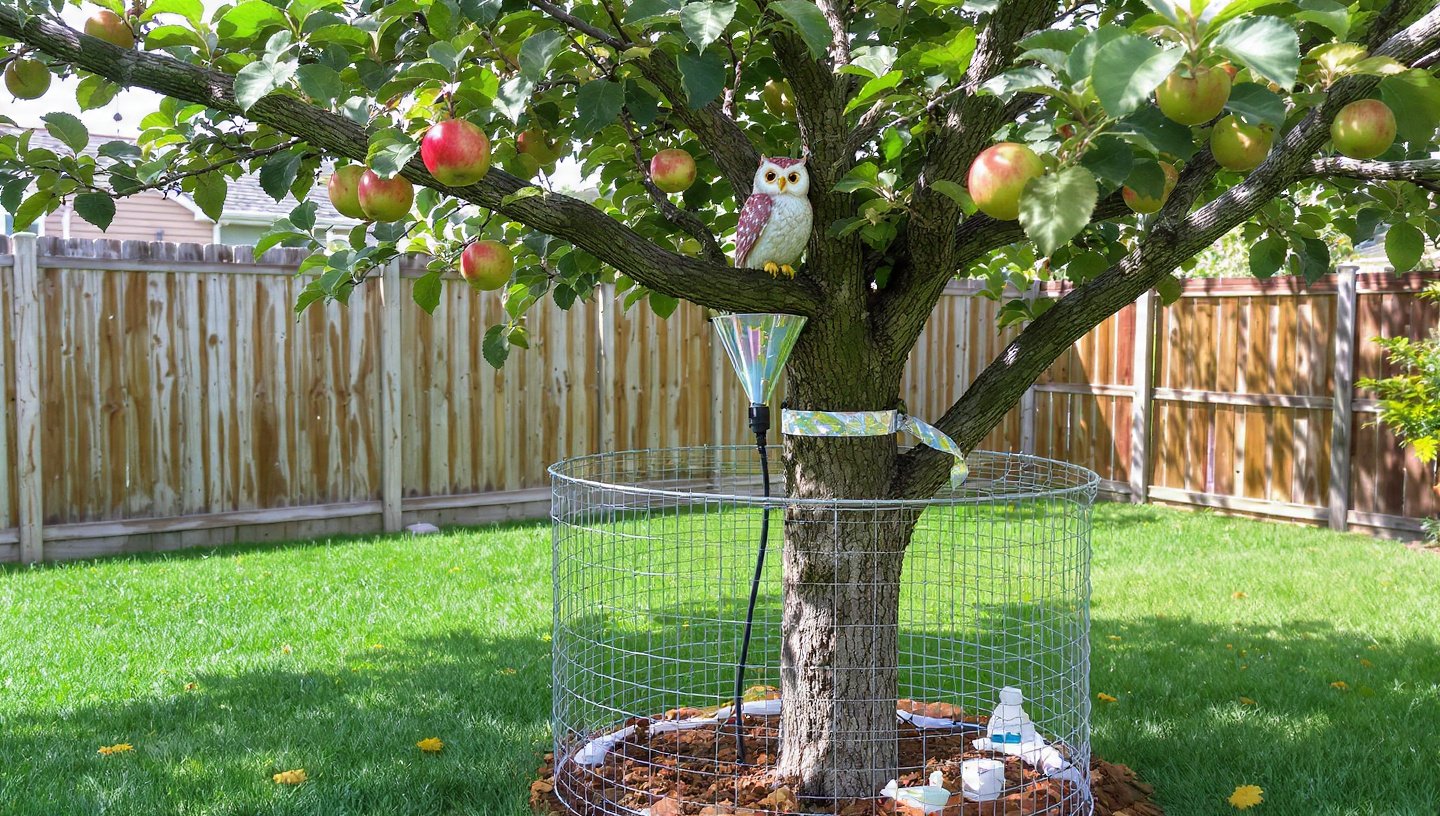

Squirrels can be a gardener’s bane, particularly when it comes to fruit trees. Their acrobatic abilities make them skilled invaders of our carefully cultivated gardens. Whether you have a single tree or a whole orchard, keeping squirrels at bay requires a combination of strategies that are both unique and effective. Here’s a deep dive into the best methods you can employ to protect your fruit trees from these pesky rodents.
Understanding Squirrel Behavior
Before diving into strategies, it’s crucial to understand why squirrels are drawn to your fruit trees:
- Food Source: Squirrels primarily seek food, and ripe fruit is a prime target.
- Nesting Material: They may also be looking for materials to build nests, especially in late summer and fall.
- Curiosity: Squirrels are naturally curious and will explore areas where they scent food.
Physical Barriers
One of the most effective long-term strategies to protect your fruit trees is by using physical barriers. Here are some ways to implement this:
Tree Guards
Install tree guards around the trunks of your fruit trees. These can be made from:
- Metal Mesh: Cut the mesh into strips, wrapping them around the lower part of the tree. This makes climbing difficult.
- Plastic Bark: Available in many garden centers, these can prevent rabbits and squirrels from gnawing on the bark.
Netting and Fencing
Using netting is another effective method. Cover your fruit trees with fine mesh netting to prevent squirrels from accessing the fruit. Ensure the netting is secured tightly at the base to prevent any entry points.
Installing a fence around your orchard or individual trees can also help. Make it at least 3-4 feet high, and bury the bottom few inches underground to deter digging.
Natural Deterrents
Certain scents and substances can deter squirrels effectively. Experiment with the following:
Spicy Solutions
Squirrels dislike spicy substances. Create a spray using:
- Water
- Red pepper flakes or cayenne pepper
- A few drops of dish soap
Spray this mixture on the fruits and leaves of your trees. Reapply after rains or heavy dew.
Strong-Scented Plants
Planting strong-scented herbs and flowers around your fruit trees can also deter squirrels. Some suitable options include:
- Lavender: Known for its soothing smell to humans but repelling properties for rodents.
- Mint: Its strong scent can confuse a squirrel’s keen sense of smell.
Modified Feeding Stations
Consider creating a feeding station away from your fruit trees. By providing squirrels with an alternate food source, you may distract them from your trees. Use the following tips:
Designated Feeding Areas
Set up a feeder stocked with squirrel-friendly treats, such as:
- Sunflower seeds
- Nuts
- Fruits like apples or berries
Position this feeding station at a distance from your trees to draw squirrels away.
Limit Feeding Time
Only fill the feeder during specific hours, ensuring that squirrels find food at that time. This will help them to learn that your trees will not provide food and adapt their behavior accordingly.
Traps and Repellents
While last resort methods, traps and repellents can be effective when used properly:
Live Traps
Consider using live traps, which allow you to capture and relocate squirrels humanely. Place traps strategically near areas of high activity. Always check your local guidelines regarding the relocation of wild animals.
Ultrasonic Repellents
Devices that emit high-frequency sounds can deter squirrels, as they can be unpleasant for rodents. These devices are usually safe for humans and pets but might require a power source.
Environmental Management
Creating an environment that is less conducive to squirrels can also deter them from approaching your fruit trees. Consider the following:
Regular Maintenance
Keep the area around your trees free from debris such as fallen fruits, nuts, and branches. Clean the ground regularly to remove food sources that attract squirrels.
Mulching
Using heavy, coarse mulch can deter squirrels from digging around the base of your trees. This will also make the soil less appealing for nesting.
Conclusion
Implementing a combination of these strategies can effectively keep squirrels away from your fruit trees. From physical barriers to natural deterrents and environmental management, you have a toolkit of methods at your disposal. Monitoring your fruit trees regularly and adapting your strategies as needed will ensure your crops remain protected from these clever little invaders.
FAQs
1. What time of year are squirrels most active?
Squirrels are typically most active in the spring and fall. During these times, they are particularly focused on gathering food and preparing for winter.
2. Can squirrels cause damage to my fruit trees?
Yes, squirrels can gnaw on the trunks, bark, and branches of fruit trees, which can hinder growth and lead to disease.
3. Are there any safe repellents for fruit trees?
Spicy sprays and strong-scented plants work well as natural, safe repellents for fruit trees.
4. What should I do if I catch a squirrel in a trap?
Follow local wildlife regulations for the humane release of trapped squirrels. Choose a release location that is at least several miles away from your property.
5. Can I use dog or cat fur to deter squirrels?
Some gardeners have reported success with this method. Placing fur around the base of the trees can create the illusion of a predator’s presence, which may deter squirrels.