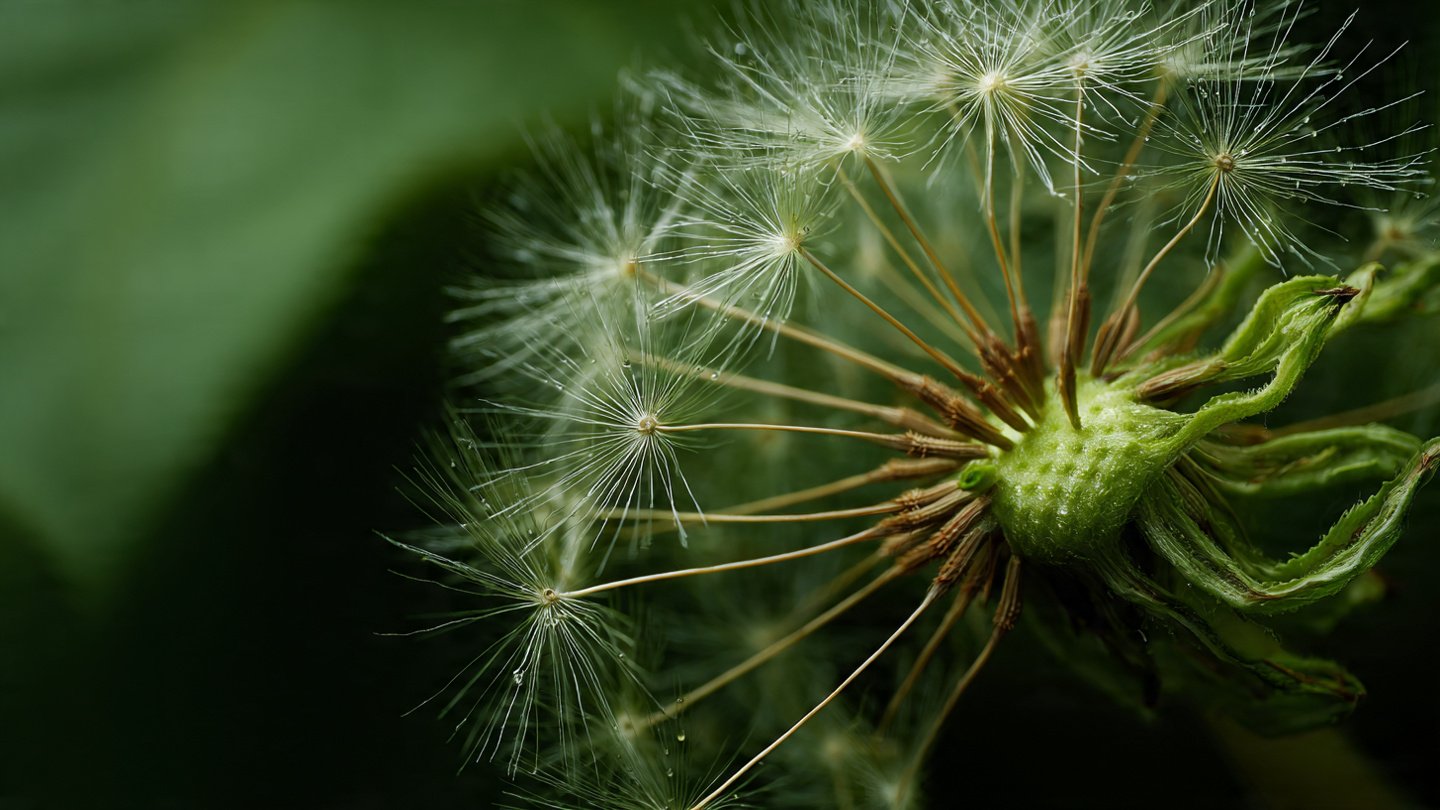

Weeds are often the bane of a gardener’s existence. They invade garden beds, take over lawns, and can even interfere with the growth of desirable plants. While most gardeners are quick to grab their gloves and pull out these unwanted plants, there’s one type you should never remove without proper identification—wild garlic. Understanding why wild garlic should be treated carefully can preserve your garden’s integrity and prevent unnecessary regrets.
The Importance of Identification
Before diving into the specifics of wild garlic, it’s essential to emphasize the importance of identifying any weed before removal. Many weeds can be beneficial, either as pollinators or as ground cover that protects soil from erosion. Additionally, some weeds can be mistaken for beneficial plants. This underscores the need for proper identification.
What is Wild Garlic?
Wild garlic, known scientifically as Allium vineale, is a perennial plant that can be found in various regions. Characterized by its long, slender leaves and the distinct garlic smell that is released when the leaves are crushed, wild garlic is often confused with other plants. Here are a few identifying features:
- Leaves: Long, narrow, and grass-like.
- Flowers: Small clusters of star-shaped white flowers.
- Odor: Strong garlic scent when leaves are crushed.
Why You Shouldn’t Pull Wild Garlic
Before you reach for that weed puller, let’s delve into why it’s crucial not to pull out wild garlic without fully understanding its role in your garden.
1. Ecological Role
Wild garlic serves several ecological functions. It’s an excellent food source for various pollinators like bees, which are critical for many garden plants’ reproductive processes. Pulling it out might disrupt the local ecosystem, negatively affecting not just the wild garlic but also the plants relying on these pollinators.
2. Soil Health
This plant also contributes to soil health. Its roots can help prevent soil erosion by holding the soil in place, improving overall structure and fertility. Removing it without thought could lead to bare patches that make your garden more susceptible to erosion and nutrient loss.
3. Edibility and Nutritional Benefits
Moreover, wild garlic is edible! The leaves and flowers can be used in culinary dishes to impart a mild garlic flavor, offering nutritional benefits. Instead of considering it a weed, you can embrace it as a valuable ingredient in your kitchen.
How to Manage Wild Garlic
So, what should you do when you spot wild garlic in your garden? Here are some effective management strategies:
1. Harvesting
If you decide to keep it, consider harvesting the leaves and flowers for use in your cooking. This way, you can reap the benefits without allowing it to take over your garden.
2. Containment
Monitor its growth and control its spread by keeping an eye on any bulblets that may develop. Implementing boundaries, either with physical barriers or companion planting with other herbs and vegetables that can coexist with wild garlic, can prevent it from overstepping its bounds.
3. Educate Yourself
Understanding the characteristics of wild garlic and its life cycle can help you manage it more effectively. Familiarize yourself with its growth patterns over different seasons to know when to keep, harvest, or control its spread.
Alternatives to Pulling Weeds
Instead of pulling weeds aggressively, consider alternative methods that yield better results with less risk:
1. Mulching
Applying mulch helps suppress weed growth, including that of wild garlic. A layer of organic mulch retains moisture, adds nutrients, and hinders weed germination.
2. Hand Weeding in Sensitive Areas
For smaller patches, hand weeding can be effective. Be diligent but gentle, ensuring that you aren’t pulling out anything beneficial by mistake. It’s a more sustainable option than invasive methods like chemical herbicides.
3. Encouraging Competing Vegetation
Planting ground cover and other desirable plants can crowd out wild garlic and other weeds, minimizing their growth in the process.
Conclusion
In summary, while managing weeds is an integral part of gardening, it’s critical to first recognize and identify the plants you intend to remove. Wild garlic stands out as an example where misidentification can lead to the loss of a beneficial plant. Understanding its ecological and culinary roles can transform your approach to gardening, maximizing both productivity and biodiversity.
So, the next time you spot wild garlic, remember it’s not just a weed; it’s a valuable ally. Embrace the wisdom of identification, think critically about your gardening practices, and you’ll foster a healthier garden ecosystem.
FAQs
1. Can wild garlic be harmful to my other plants?
No, wild garlic is generally not harmful to other plants. It can compete for resources, but when managed appropriately, it can coexist well in a garden setting.
2. How can I tell wild garlic apart from other similar plants?
Look for the characteristic garlic smell when the leaves are crushed, along with its long, slender leaves and white star-shaped flowers. Comparing it to other plants in reputable gardening guides can also help.
3. What are some recipes that include wild garlic?
Wild garlic can be used in pesto, salads, soups, or as a flavor enhancer in various dishes. It pairs well with potatoes, eggs, and cream-based sauces.
4. How does wild garlic spread, and can it become invasive?
Wild garlic spreads primarily through its bulb and seeds. While it can spread quickly, it can usually be managed with mindful gardening practices.
5. Is wild garlic safe to consume raw?
Yes, wild garlic is safe to eat raw. However, like any wild plant, make sure you’re certain about identification before consumption.