
If you’ve ever come home to find your hydrangea wilting, you may feel a wave of panic. These beautiful flowers, often a centerpiece in gardens and bouquets, can exhibit sudden drooping because of various factors such as heat, dehydration, or nutrient deficiency. The good news is that if you act fast, you can often revive a wilting hydrangea in as little as one hour. This article explores the steps you can take to bring your wilting hydrangea back to life, ensuring it thrives and continues to beautify your space.
Understanding Why Hydrangeas Wilt
Understanding the causes of wilting is crucial before diving into the revival methods. Hydrangeas can wilt for several reasons:
- Dehydration: The most common reason for wilting is simply that the plant doesn’t have enough water.
- Environmental Stress: Heat and direct sunlight can cause rapid moisture loss.
- Pests or Disease: Infestations can harm a plant’s overall health leading to wilting.
- Nutrient Deficiency: A lack of essential nutrients can weaken a plant, making it more susceptible to wilting.
- Transplant Shock: Relocating your hydrangeas can sometimes upset their health.
Steps to Revive Your Wilting Hydrangea
Before you can bring your hydrangea back to life, it’s essential to assess the situation. If you can identify the cause of wilting, you can more easily tackle the issue. Here are steps you can follow:
1. Hydration is Key
The first step in reviving a wilting hydrangea is to check its moisture levels. If the soil is dry a couple of inches below the surface, your plant is likely thirsty:
- Fill a bucket with lukewarm water and submerge the wilting hydrangea completely, allowing it to soak for about 10-20 minutes.
- Ensure that the water is absorbed through the drainage holes to fully hydrate the roots.
- For cut hydrangeas in a vase, trim the stems at an angle before placing them in water to enhance water uptake.
2. Create a Cooler Environment
If your hydrangea is wilting due to heat, try moving it to a cooler location away from direct sunlight:
- If it’s a potted plant, move it to a shaded area or indoors where temperatures are more moderate.
- Cut flowers can also benefit from a cooler room where they can rejuvenate without additional stress.
3. Mist the Leaves
Humidity is important for hydrangeas, especially in dry conditions. Misting the leaves can help:
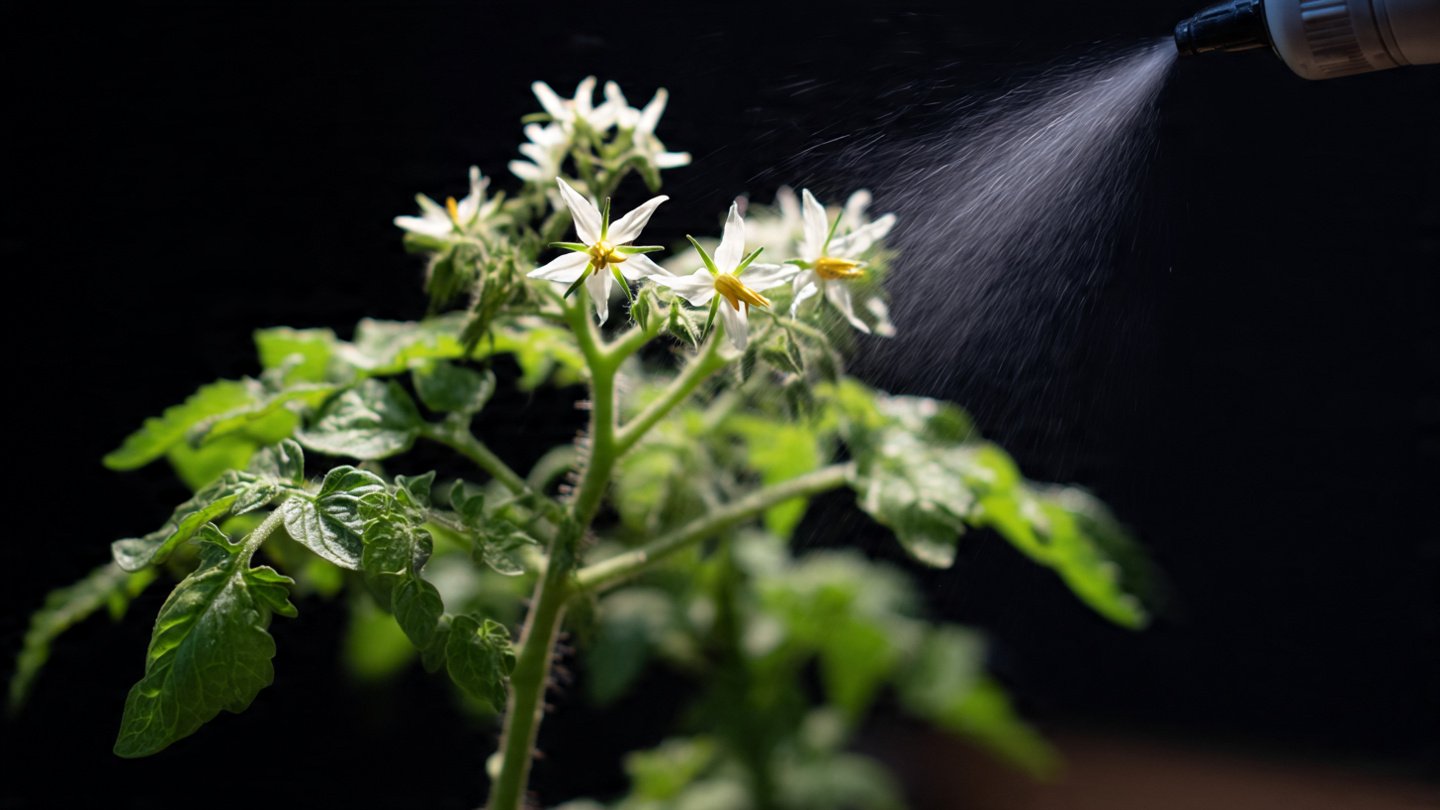
- Use a spray bottle filled with water to lightly mist the leaves, which can help combat moisture loss.
- Repeat this every few hours if the humidity in your environment is low to keep the plant hydrated.
4. Check for Pests or Diseases
If hydration and a cooler environment don’t work, inspect your hydrangea for pests. Common pests include:
- Aphids
- Spider mites
- Mealybugs
For pests, you can wash the leaves using a gentle stream of water, or use insecticidal soap if an infestation is present.
5. Nutrient Support
Sometimes, a quick dose of fertilizer can perk up a wilting hydrangea, especially in the growing season:
- Apply a slow-release, balanced fertilizer per the instructions on the package.
- Hydrangeas particularly respond well to fertilizers higher in phosphorus for flower production.
Timeframe for Revival
Generally, if you follow the steps above, you can see significant improvement within an hour. However, complete recovery may take longer, depending on the extent of the wilting and the original cause:
- After following these tips, check back in an hour. The blooms should perk up, and the leaves should regain their structure.
- If your hydrangea is still wilting after an hour, repeat some of the above steps and consider that it may take longer for full recovery.
Conclusion
Reviving a wilting hydrangea in just one hour is not only possible, but it can also be a rewarding experience. By recognizing the signs of distress and addressing them promptly—whether through hydration, environmental adjustments, or pest control—you can help your hydrangea bounce back quickly. Remember to keep an eye on factors like moisture levels, sunlight exposure, and overall plant health to prevent future wilting.
Frequently Asked Questions
Q1: How often should I water my hydrangea?
A: Generally, hydrangeas should be watered once a week, but in hot weather, they may need more frequent watering, especially if the soil dries out quickly.
Q2: What should I do if my hydrangea does not recover?
A: If your hydrangea does not show signs of recovery within a few hours, check for pests or diseases, and consider whether it might need repotting or more extensive care.
Q3: Can overwatering cause wilting?
A: Yes, overwatering can lead to root rot, causing wilting. Always ensure your hydrangea is planted in well-draining soil.
Q4: How can I ensure my hydrangea stays healthy long-term?
A: Regular watering, appropriate fertilization, pruning, and monitoring for pests will help maintain the health of your hydrangea.
Q5: Is sun exposure important for hydrangeas?
A: Yes, hydrangeas generally thrive in partial shade. Too much direct sun can lead to wilting.