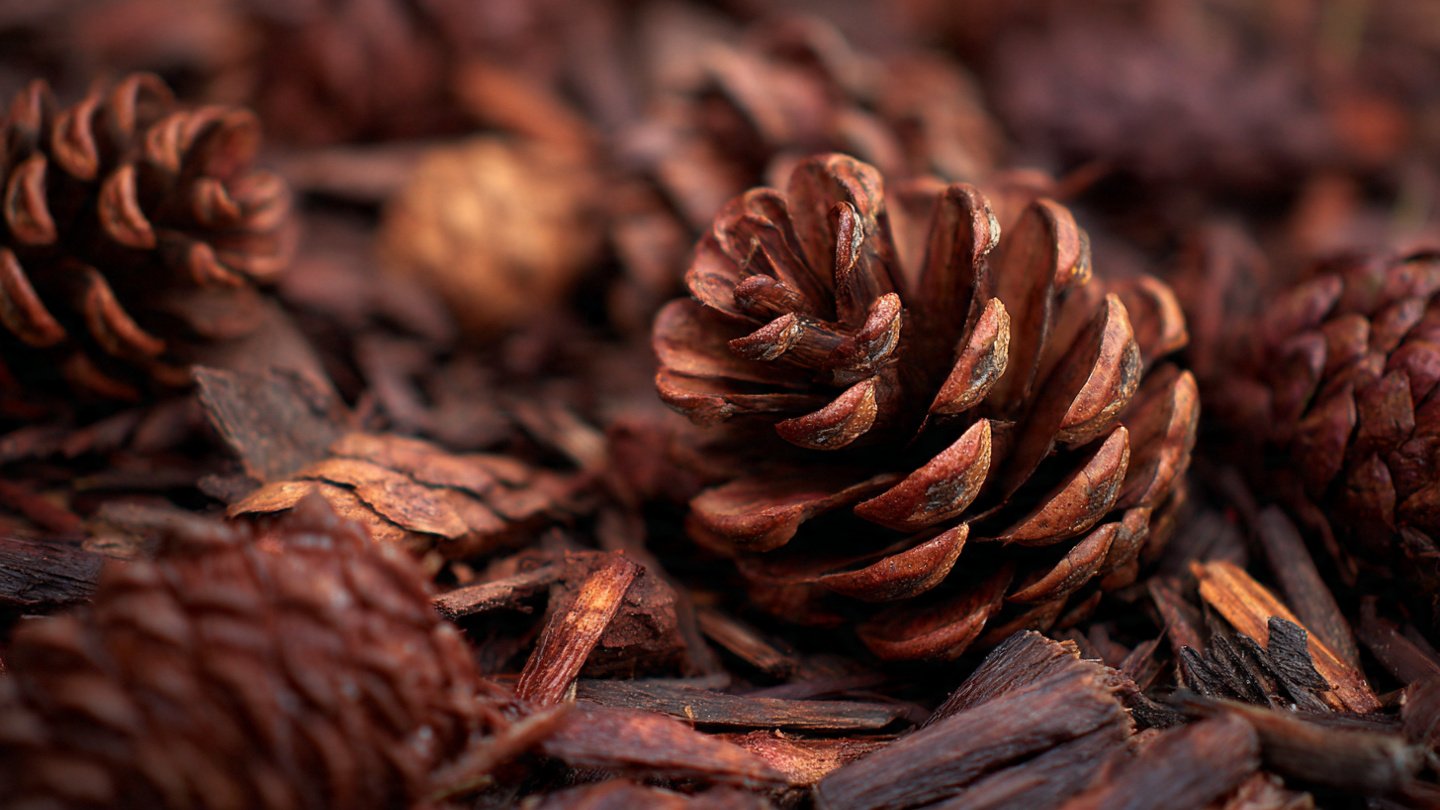

When it comes to creating and maintaining a thriving garden, the choice of mulch plays a significant role. Among the various types of natural mulch available, pinecones have emerged as an attractive and functional option. Not only do they add an aesthetic charm to garden beds, but they also offer numerous practical benefits that make them the perfect secret garden mulch. In this article, we delve into the characteristics of pinecones that make them a superior choice for mulching, how to prepare and apply them, and the long-term advantages they provide for your garden.
The Benefits of Pinecone Mulch
Pinecones offer distinct advantages when used as mulch that contribute to the overall health and sustainability of your garden. Here are several key benefits:
- Natural Pest Deterrent: Pinecones contain natural resins and oils that can deter some pests, thereby reducing the need for chemical pesticides.
- Water Retention: The structure of pinecones allows for better water retention in the soil, which is crucial during dry periods.
- Soil Improvement: As they break down, pinecones add organic matter to the soil, improving its texture and nutrient content.
- Weed Control: A layer of pinecones can help suppress weed growth by blocking sunlight and preventing seeds from germinating.
- Aesthetic Appeal: Pinecones add a rustic and natural look to garden beds, enhancing the overall beauty of your garden landscape.
How to Prepare Pinecones for Mulching
Using pinecones as mulch involves a few preparation steps to maximize their effectiveness:
Collecting Pinecones
The first step is to gather pinecones. This can be done in your own yard or in nearby parks where pine trees grow. Opt for mature, closed pinecones, as these will be less likely to scatter seeds and will maintain their shape longer.
Cleansing the Pinecones
Once you have collected the pinecones, it’s essential to clean them. Rinse the pinecones under water to remove dirt and debris. If you wish to ensure that pests or diseases are not transferred to your garden, consider soaking them in a solution of water and bleach (approximately one part bleach to nine parts water) for about 30 minutes. Rinse them thoroughly after soaking.
Drying the Pinecones
After cleaning, the pinecones need to be dried. Place them in a single layer on a baking sheet and leave them in a warm, dry area for a week, or you can dry them in the oven at a low temperature (around 200°F or 93°C) for several hours. This process helps to eliminate any remaining moisture and ensures that they don’t sprout.
Application of Pinecone Mulch
Once the pinecones are prepared, they can be applied to your garden. Choose a suitable area in need of mulching, and follow these steps:
- Clear the area of weeds and organic debris.
- Add a layer of organic matter like compost to improve soil nutrients if needed.
- Spread the pinecones evenly across the desired area, maintaining a depth of about 2-3 inches.
- Leave space around the bases of plants to avoid moisture retention around the stems.
The Long-Term Advantages of Using Pinecones as Mulch
Over time, the benefits of using pinecones in your garden become even more apparent:
Longevity
Pinecones decompose slowly, allowing them to last longer than many other organic mulches. This means you won’t have to replace them frequently, saving both time and money.
Soil Conditioning
As pinecones break down, they enrich the soil with essential nutrients, improving soil health in the long run. This process can enhance the microbial life in your soil, which is crucial for plant growth.
Climate Adaptability
Pinecones are particularly beneficial in various climates, including hotter, dryer regions. Their ability to retain moisture and regulate soil temperature can help protect delicate plant roots from extreme conditions.
Ecological Considerations
In addition to their practical benefits, using pinecones as mulch supports local ecosystems. By utilizing a natural resource that is often abundant and readily available, you can minimize waste and enhance biodiversity in your garden. The decomposition of pinecones can attract beneficial insects and improve habitat conditions for various wildlife.
Conclusion
In summary, pinecones make an exceptional choice for garden mulch due to their variety of benefits, from pest deterrence and improved soil health to aesthetic enhancement and long-lasting durability. By choosing to use pinecones in your garden, you’re not only investing in the health of your plants but also embracing a more sustainable and natural gardening practice. With careful preparation and application, pinecones can transform your gardening experience into a thriving success.
FAQs
1. Can I use any type of pinecone for mulch?
Generally, yes! Most pinecone types can be used. However, it’s best to choose mature, closed pinecones without seeds to prevent unwanted growth.
2. How often should I replace pinecone mulch?
Pinecone mulch is durable and can last several years without needing replacement. Monitor your garden and add more if you notice significant decomposition.
3. Are there any downsides to using pinecones as mulch?
Pinecones may not provide as much insulation as some other organic mulches. However, their benefits often outweigh this drawback, especially in terms of aesthetics and pest control.
4. Will pinecones attract rodents or other pests?
While pinecones themselves are not likely to attract pests or rodents, ensure they are clean and free from any seeds that might draw in unwanted wildlife.
5. Can I mix pinecones with other types of mulch?
Yes, mixing pinecones with other mulching materials can enhance their benefits. Just be cautious about the mixture’s overall depth, ensuring it remains effective.