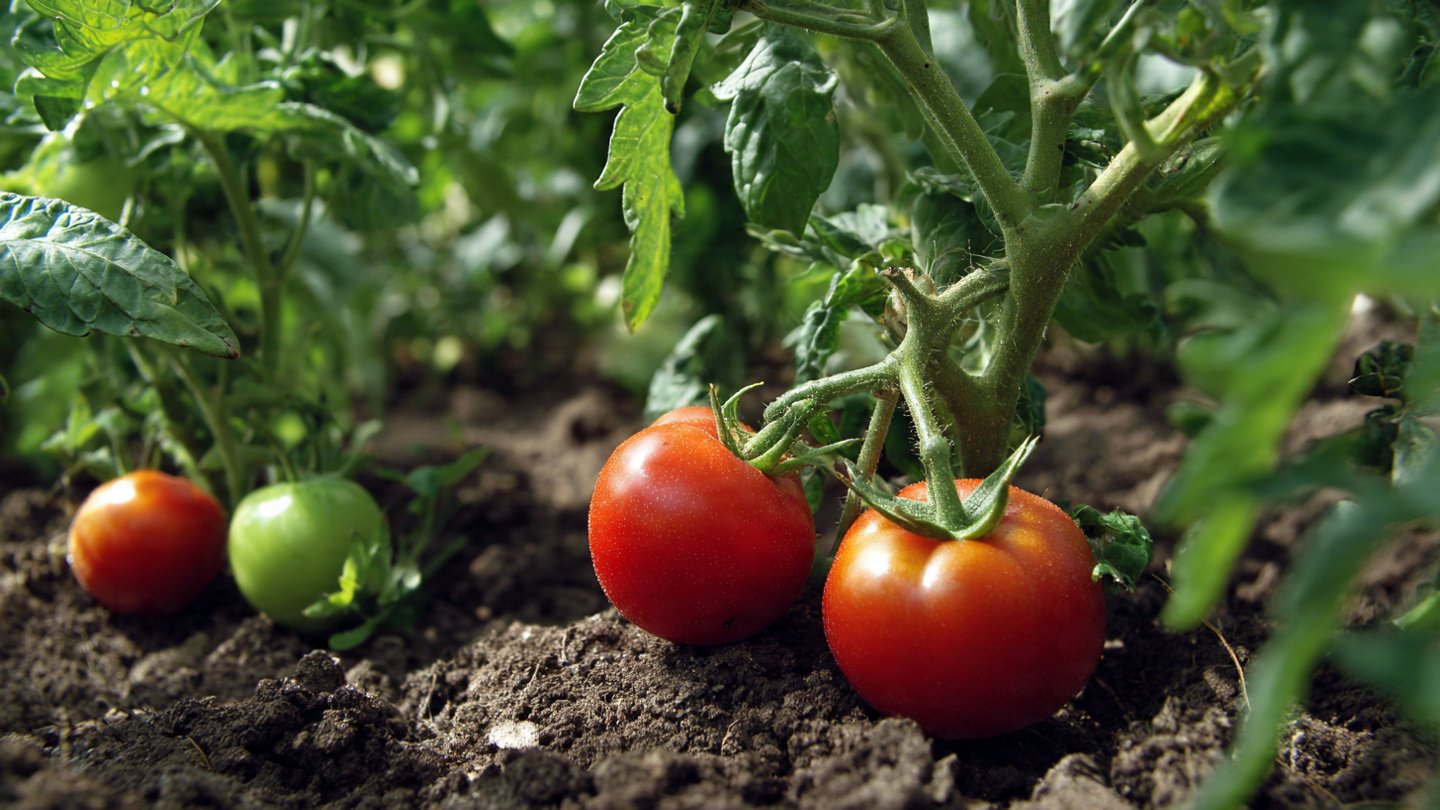

Tomatoes are one of the most popular vegetables (technically fruits) grown in home gardens. Their vibrant colors, delicious flavors, and versatility in cooking make them a favorite among home gardeners and professional farmers alike. As May approaches, many gardeners become eager to get their tomato plants into the ground. However, there is a critical step that should be taken before you plant your tomato seeds or seedlings that can significantly impact the health and yield of your tomatoes. This key step is soil preparation.
The Importance of Soil Preparation
Soil preparation is the foundation of successful gardening, especially for tomatoes. Healthy plants start with healthy soil. The right soil conditions can influence everything from root development to nutrient access, ultimately affecting fruit production. Here are some essential aspects to consider when preparing your soil for tomato planting:
1. Testing Your Soil
The first step in preparing your soil is to test its pH and nutrient levels. Tomato plants thrive in slightly acidic soil with a pH range of 6.0 to 6.8. Testing kits are readily available at garden centers, or you can send a sample to a local extension service for a more detailed analysis. The results will guide you in making necessary amendments to ensure optimal growth conditions for your tomato plants.
2. Modifying Soil Composition
Based on the soil test results, you may need to amend your soil accordingly. If the pH is too low, adding lime can help raise it, while sulfur can lower a high pH. Additionally, if the soil lacks essential nutrients, organic materials such as compost, well-rotted manure, or bone meal can be mixed into the soil to enrich it. Properly amended soil ensures that your tomato plants receive all the nutrients they need to grow strong and healthy.
3. Ensuring Good Drainage
Poor drainage can lead to root rot and other diseases that can devastate tomato plants. To ensure good drainage, it’s vital to check the soil texture. Sandy soils drain quickly, while clay soils retain water. If your garden has heavy clay soil, consider building raised beds to improve drainage. Adding organic matter can also help break up clay particles and improve soil structure.
4. Practicing Crop Rotation
Crop rotation is a practice that involves growing different crops in a specific sequence on the same land. This is essential for preventing soil-borne diseases and nutrient depletion. If you planted tomatoes in the same spot the previous year, it may be wise to move them to a different location to reduce the risk of diseases such as blight or wilting.
5. Weeding and Tilling
Before planting tomatoes, it’s critical to remove weeds from the planting area. Weeds compete with your tomato plants for water and nutrients. Tilling the soil can help remove any existing weeds and break up compacted soil, allowing roots to penetrate more easily. However, avoid overly aggressive tilling, as this can damage soil fungi and microorganisms essential for healthy plant growth.
Optimal Planting Conditions in May
In many regions, May is the ideal time for planting tomatoes as the soil has warmed up, and the risk of frost has diminished. However, it’s essential to check local climatic conditions. Tomatoes thrive in sunny environments, requiring at least 6 to 8 hours of direct sunlight per day. Make sure the location you select for planting tomatoes receives adequate sunlight.
1. Choosing the Right Tomato Variety
Before planting, it’s equally important to choose the right variety of tomato suitable for your local climate. Some varieties are better suited for cooler climates, while others thrive in the heat. Consider determining whether you want indeterminate varieties, which continue to grow and produce fruit throughout the season, or determinate varieties, which produce fruit all at once and then stop growing. Your choice will depend on your gardening goals and the climate in your area.
2. Hardening Off Seedlings
If you started tomatoes from seeds indoors, hardening off is crucial. This process involves gradually introducing your young plants to outdoor conditions over a week or two. Start by placing them outside in a sheltered location for a few hours each day, slowly increasing their exposure to sunlight and wind. This practice helps your plants acclimate to their new environment, making them healthier and more robust when they finally go into the ground.
Final Preparation for Planting
After completing soil preparation, testing, and selecting the right variety, it’s time for the final preparations. Here are a few last-minute tips:
1. Create Planting Holes
While preparing to plant, create holes that are deep enough to accommodate the roots of your tomato plants. Ideally, these holes should be around 6-12 inches deep. To enhance root development, you can transplant the seedlings into the holes, burying them up to their first set of true leaves.
2. Watering Before Planting
It’s a good practice to water your tomato plants thoroughly the day before transplanting them. This helps reduce transplant shock and ensures that the roots are hydrated when they are finally placed into the new soil.
Conclusion
In summary, the key step you should take before planting tomatoes in May is thorough soil preparation. This involves testing your soil, amending it as needed, ensuring proper drainage, and practicing crop rotation. Additionally, be sure to select the right tomato variety and harden off your seedlings before transplanting. By taking these steps, you’ll provide a strong foundation for your tomato plants, which can lead to a bountiful harvest. Happy gardening!
FAQs
1. Can I plant tomatoes before May?
While some gardeners may plant tomatoes earlier, May is typically recommended due to the warmer soil temperatures and reduced frost risk. It’s essential to know your local climate conditions.
2. What should I do if my soil is too acidic?
If your soil is too acidic, you can add lime to raise the pH. It’s best to follow the recommendations from your soil test to determine the correct amount.
3. How often should I water my tomato plants after planting?
After planting, water your tomato plants thoroughly and then check the soil regularly. Water once or twice a week, depending on rainfall and temperature levels, ensuring the soil stays consistently moist but not waterlogged.
4. How do I know if my tomatoes are healthy?
Healthy tomato plants have vibrant green leaves, sturdy stems, and a good number of flowers. Look for signs of pests or diseases, such as discoloration or wilting leaves, and address them promptly.
5. Is it necessary to stake or cage tomato plants?
Yes, staking or caging helps support the plants, which can prevent diseases by promoting good air circulation and reducing the risk of fruit rot.