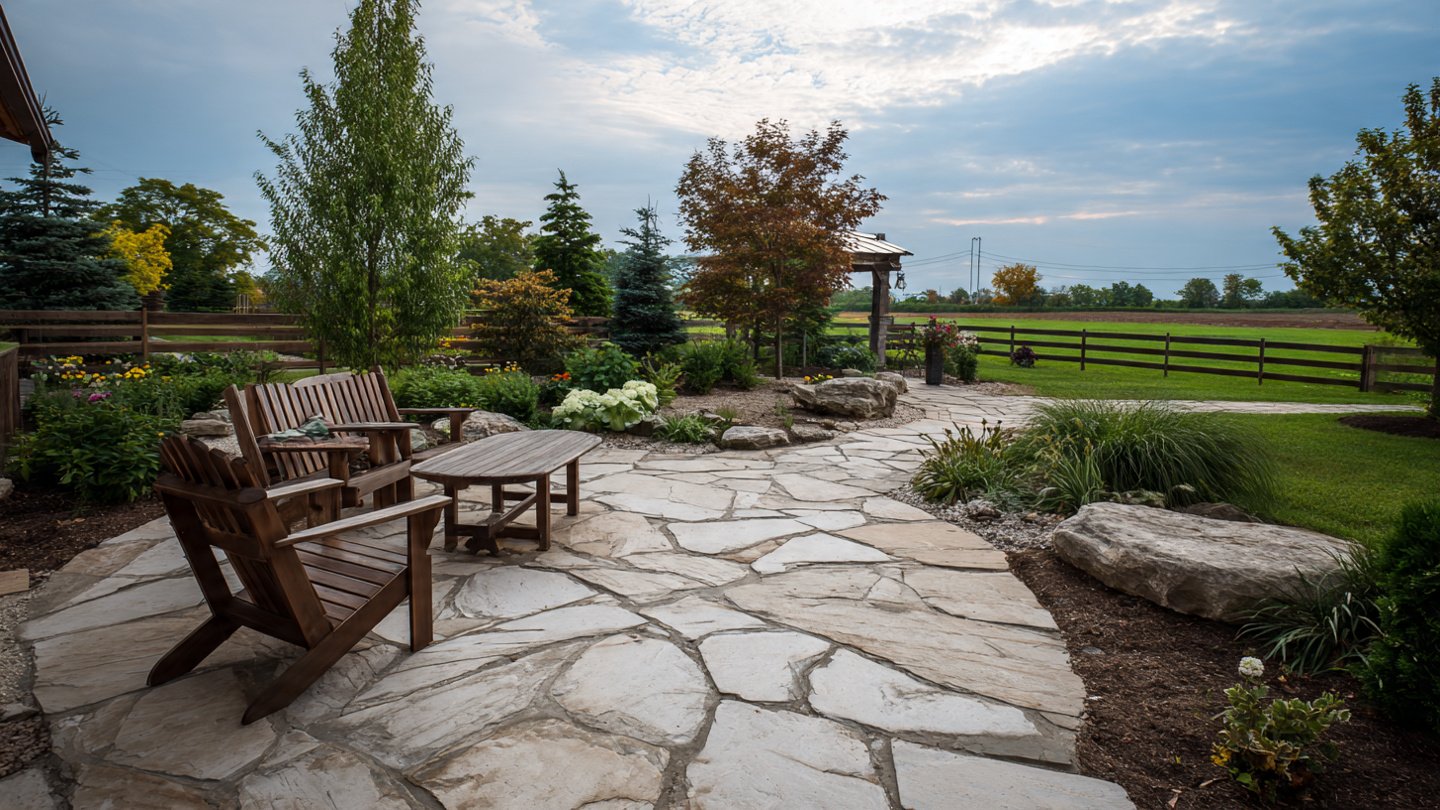

Flagstone patios are not only picturesque but also provide durable outdoor spaces. However, one common problem many homeowners encounter is the wobbling of flagstone slabs. This issue can lead to an unstable surface, making it uncomfortable and potentially dangerous to walk on. Understanding the hidden factors contributing to this problem is essential for any homeowner wishing to maintain the beauty and functionality of their outdoor area.
Understanding Flagstone and Its Benefits
Flagstone is a sedimentary stone that is typically used in patios due to its natural appearance and durability. Available in various colors and textures, flagstone can enhance the aesthetic appeal of any outdoor space. However, despite its advantages, improper installation or external factors can lead to issues such as wobbling. Below are several factors that contribute to this problem:
1. Poor Installation Techniques
The installation process plays a pivotal role in the stability of a flagstone patio. If the stones are not laid properly, wobbling becomes a common issue. Key aspects to focus on include:
- Base Preparation: A solid and well-compacted base is crucial. Using only sand as a base can lead to movement over time, while a gravel base provides better stability.
- Joint Filling: Improper filling of joints can lead to shifting. Using a suitable material, such as polymeric sand, can help keep the stones locked in place.
- Correct Slope: Ensuring the correct slope during installation facilitates proper drainage, preventing water pooling and potential shifting of the stones.
2. Soil Erosion
Over time, the soil beneath your flagstone patio can erode due to water runoff or pooling. This erosion can lead to the instability of the stones above. Some considerations include:
- Drainage Issues: Maintain proper drainage pathways around your patio to decrease soil erosion.
- Vegetation Growth: Roots from nearby plants can also disrupt the base soil, causing flagstones to wobble. Consider trimming nearby roots regularly.
3. Temperature Fluctuations
As temperatures rise and fall, materials expand and contract. This natural phenomenon can lead to gaps forming in the joints of your flagstone patio. Some key points to understand this effect include:
- Seasonal Changes: In colder months, freezing and thawing can cause the soil to shift, contributing to wobbling.
- Material Selection: Different types of flagstone react differently to temperature changes. Selecting stones with low thermal expansion properties can mitigate this issue.
4. Inadequate Joint Maintenance
Inadequate maintenance of the joints between flagstones can lead to instability. Over time, settling of the sand or gravel can create gaps that allow movement. Here’s how to manage this:
- Periodic Inspection: Regularly check the joints and refill them as necessary to maintain a solid connection between the stones.
- Cleaning: Keeping the joints free of debris will help prevent displacement and ensure water can drain effectively.
5. Ground Settling
Natural ground settling occurs when the underlying soil shifts or compresses. This settling can cause flagstone slabs to wobble if the patio was built on unstable ground. It is important to:
- Evaluate the Ground: If your flagstone patio is placed on clay or peat soil, you may be more susceptible to settling, which might require additional stabilization techniques during installation.
- Consider Reinforcements: For areas with significant settling issues, using a concrete or paver base system beneath the stones can provide additional support.
6. Pest Infestation
While it may sound odd, pest infestations, particularly from rodents or insects, can destabilize the base beneath your patio. Their burrowing can create voids in the soil, leading to uneven support for the flagstones. Here are a few preventive measures:
- Regular Inspection: Periodically check for signs of pest activity and take action promptly if found.
- Use Barriers: Implementing physical barriers around the perimeter of your patio can deter pest infiltration.
7. Water Accumulation
Excess water accumulation can wash away soil stability around flagstones. This can result from poor drainage design or severe weather conditions. To minimize these effects:
- Install Drainage Solutions: Consider installing a French drain or similar structure to manage water runoff effectively.
- Monitor Rain Levels: Be cautious during heavy rainfall and assess any potential erosion post-storm.
8. Heavy Foot Traffic
Frequent use of the patio, especially if it’s not designed to handle heavy loads, can lead to structural issues over time. To counteract this:
- Segment the Area: Consider designating certain sections of the patio for heavier use, thus distributing weight more evenly.
- Reinforce Areas: Use additional supporting materials under high-traffic areas to minimize wobbling.
Conclusion
Maintaining a flagstone patio requires awareness of several underlying factors contributing to wobbling. From installation techniques and soil erosion to temperature changes and pest infestations, recognizing these elements can empower homeowners to take corrective actions. Regular maintenance, coupled with timely interventions, ensures a stable and beautiful outdoor space that you can enjoy for years to come.
FAQs
1. How can I prevent my flagstone patio from wobbling?
Regular inspections and maintenance, proper installation techniques, and ensuring good drainage can help prevent wobbling.
2. Is it necessary to hire a professional for repairs?
While minor issues can be addressed by homeowners, significant problems, especially those related to the base or drainage systems, may require professional assistance.
3. Can I fix a wobbly flagstone myself?
Yes, if the wobbling is due to minor issues like joint filling or surface debris, you can often fix it yourself. For more severe issues, consulting with a professional is advisable.
4. How often should I inspect my flagstone patio?
It is wise to inspect your patio at least twice a year, especially after major weather changes or heavy rainfall.
5. What materials are best to fill joints in flagstone patios?
Polymeric sand is often recommended as it hardens and locks the stones in place while allowing for some flexibility with temperature changes.