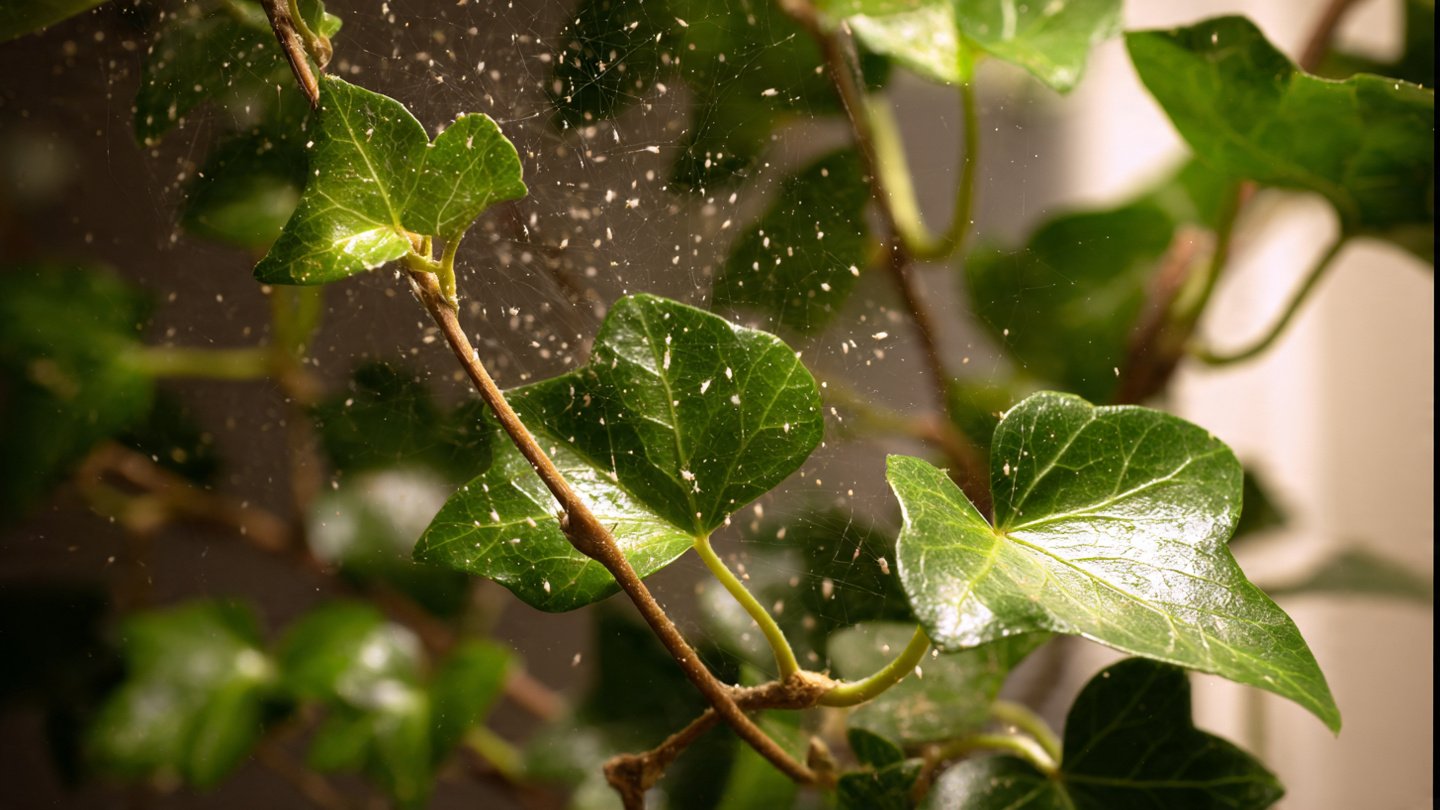

English Ivy (Hedera helix) is a popular houseplant known for its lush green foliage and ability to thrive in various indoor conditions. However, many indoor gardeners face the issue of spider mites, tiny pests that can wreak havoc on their beloved plants. In this article, we will explore why your English Ivy may be attracting spider mites, how to manage these pests, and preventative measures you can take.
What Are Spider Mites?
Spider mites belong to the family Tetranychidae and are not actually insects; they are arachnids, closely related to spiders. These tiny creatures are typically less than 1/20th of an inch long and can vary in color from red to green to yellow. They are often more prevalent in warm, dry environments, making your home an attractive habitat during the colder months when indoor heating increases both warmth and dryness.
Why Are Spider Mites Attracted to English Ivy?
Several factors contribute to spider mites being drawn to your English Ivy:
1. Environmental Conditions
Spider mites thrive in environments that mimic their natural habitats, which provide warmth and low humidity. Indoor conditions during winter often align with these preferences.
- Low Humidity: Indoor heating can lead to dry air, creating an ideal environment for spider mites to reproduce.
- Warm Temperatures: Spider mites prefer temperatures ranging from 70°F to 80°F (21°C to 27°C).
2. Nutrient-Rich Host
English Ivy is a nutrient-rich plant, making it an attractive food source for spider mites. They feed on the plant’s sap, leading to potential damage over time.
3. Lack of Natural Predators
Indoors, English Ivy typically does not have many natural predators that would keep spider mite populations in check. This absence allows spider mites to proliferate.
Signs of Spider Mite Infestation
It’s crucial to identify a spider mite infestation early to minimize damage to your English Ivy. Some common signs to look for include:
- Webbing: Fine silk webbing on the undersides of leaves or between stems.
- Discolored Leaves: Yellowing or speckled leaves indicate feeding damage.
- Leaf Drop: Severe infestations may cause leaves to drop prematurely.
- Stunted Growth: Affected plants may produce smaller leaves and have slowed growth.
How to Control Spider Mite Infestations
If your English Ivy is already attracting spider mites, there are several methods for managing the infestation:
1. Increase Humidity
Increasing humidity can discourage spider mites. You can do this by:
- Using a humidifier in the room.
- Misting the leaves regularly, though make sure to avoid excessive water on the foliage.
- Grouping plants together to create a microclimate with higher humidity.
2. Washing the Leaves
A gentle wash can dislodge spider mites. Use lukewarm water and a soft cloth to wipe the leaves, particularly the undersides where mites often congregate.
3. Insecticidal Soap and Neem Oil
Insecticidal soaps and neem oil are effective organic treatments to manage spider mites. Spray infested areas thoroughly, following the product instructions for the best results.
4. Regular Monitoring
Check your English Ivy regularly for early signs of spider mites. Catching infestations early is key to preventing severe damage.
Preventative Measures for Future Infestations
While managing spider mites is essential, preventing infestations in the first place is even more valuable:
1. Proper Care
Ensure your English Ivy receives proper care, including appropriate watering, fertilization, and light. Healthy plants are better able to resist pests.
2. Quarantine New Plants
Before introducing new plants into your home, always quarantine them for a few weeks. This allows you to monitor for pests and avoid spreading them to your existing plants.
3. Encouraging Beneficial Insects
While it may be challenging indoors, consider introducing beneficial insects like ladybugs or predatory mites that can help control pest populations naturally.
Conclusion
Spider mites can be a significant nuisance for indoor gardeners, particularly those with English Ivy. Understanding the factors that attract these pests, recognizing the signs of infestation, and taking proactive measures can help you manage and prevent spider mite issues. By maintaining a healthy environment and adhering to best practices for plant care, you can ensure your English Ivy remains a beautiful and thriving indoor plant despite the challenges presented by spider mites.
FAQs
1. How can I tell if the spider mites are dead?
Dead spider mites may appear black or dark and often stop moving. Check the webbing; if it remains intact but there’s no movement, the mites may be dead.
2. Can spider mites spread to other plants in my home?
Yes, spider mites can easily spread through air or by contact, so it’s vital to isolate infested plants and manage the infestation promptly.
3. Is it safe to use neem oil on all types of plants?
While neem oil is generally safe, always perform a patch test on a small portion of the plant before widespread application, as some plants may react adversely.
4. Can I use chemical pesticides on my English Ivy?
While chemical pesticides are effective, they can also harm beneficial insects and the plant itself. Consider using organic options first, and if necessary, follow up with chemical treatments while adhering to safety guidelines.