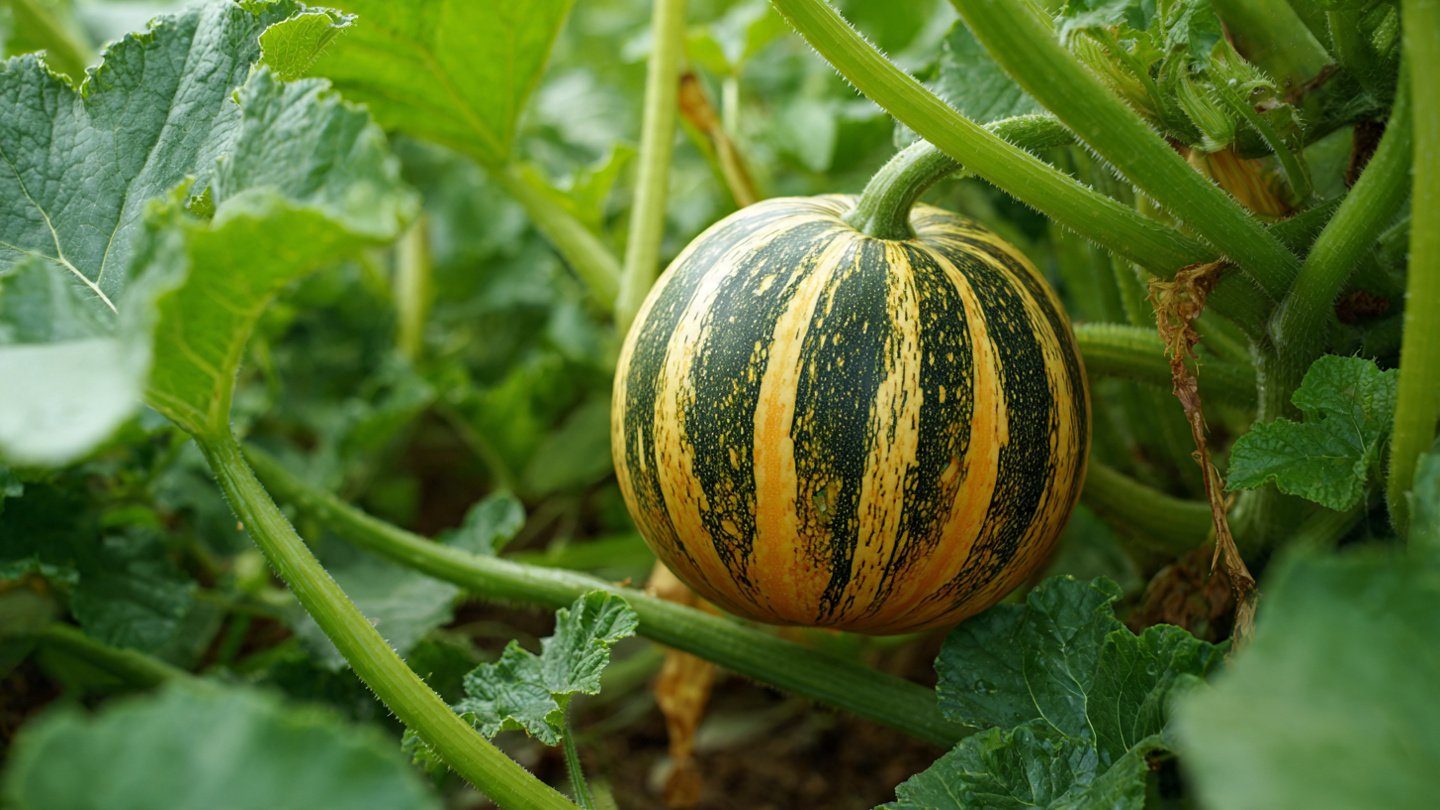

Squash is a favorite in many gardens due to its versatility and abundance. Both summer and winter squash varieties provide delectable meals, vibrant colors, and a delightful presence in kitchen gardens. However, to achieve the best yields, proper pollination is crucial. While nature often takes care of this through bees and other pollinators, hand pollination becomes an essential technique for gardeners seeking to enhance their squash harvests. This article delves into the reasons why hand pollination is advantageous, the methods involved, and answers to common questions regarding the process.
Understanding Squash Pollination
Squash plants typically produce separate male and female flowers. Male flowers usually appear first and provide the pollen needed to fertilize the female flowers, which develop into the fruit. When conditions are not ideal for pollinators, hand pollination can bridge the gap, ensuring that each flower gets the attention it requires.
- Male Flowers: Characterized by a long stem, these blooms release pollen to fertilize female blooms.
- Female Flowers: Recognizable by their swollen base (this is where the fruit will develop), these must receive pollen from a male flower to produce squash.
Why Hand Pollinate?
Hand pollination may seem like an arduous task; however, it offers numerous benefits:
1. Increased Fruit Set
By taking control of the pollination process, gardeners can ensure that a greater number of female flowers are successfully fertilized. This leads to improved fruit set, allowing you to harvest a more substantial yield.
2. Better Quality Fruit
Hand-pollinated squash tends to be of higher quality. Using a delicate touch, you can choose the best male flowers and ensure they are matched with the healthiest female flowers, leading to uniform size, flavor, and color in the harvested squash.
3. Overcoming Adverse Conditions
Weather plays a significant role in the availability of natural pollinators. Rain, high winds, or cool temperatures can deter bees and other insects from performing their duties. Hand pollination guarantees that you won’t lose potential fruit on such days.
4. Extended Harvest Period
Hand pollination allows for precise timing. By controlling which flowers are fertilized, you can stagger the harvest of your squash, prolonging the availability of fresh produce throughout the season.
5. Breeding New Varieties
For those interested in gardening as a hobby or profession, hand pollination enables the selective breeding of new varieties. By carefully choosing male and female flowers, gardeners can experiment with different characteristics, developing unique flavors, colors, and resistances.
Methods of Hand Pollination
Hand pollination is a straightforward process, but it does require some technique:
1. Harvest Pollen
Begin by selecting a male flower. Gently detach the male flower from the stem, making sure to keep the pollen intact. You can do this in the morning, when pollen is most abundant.
2. Transfer Pollen
Next, take the male flower and rub the anthers (where the pollen is located) against the stigma of a female flower. Ensure you are doing this when the female flower is open, typically in the morning or early afternoon. You can also use a small brush, cotton swab, or even your finger to transfer the pollen.
3. Repeat as Necessary
Continue this process for all female flowers that are open and receptive. One male flower can often pollinate multiple females.
Timing is Key
Proper timing is essential in hand pollination. Female squash flowers usually open in the morning and remain open for only one day. Ensure you conduct the pollination process within this timeframe to maximize your chances of success.
Challenges in Hand Pollination
While hand pollination is an effective technique, it is not without its challenges:
- Time-Consuming: The process can take time, especially for larger gardens with many plants.
- Knowledge Required: Understanding the distinct characteristics of male and female flowers is crucial for successful pollination.
- Labor-Intensive: For those with mobility issues or large plots, hand pollination might not be feasible.
Conclusion
Employing hand pollination in your squash cultivation can profoundly impact your harvest results. Not only does it increase the likelihood of fruit set and enhance quality, but it also mitigates the risks posed by environmental factors and allows for breeding opportunities. While it necessitates a little extra effort, the rewards — both in terms of yield and quality — are well worth it. Whether you are a seasoned gardener or a novice, mastering hand pollination can help you enjoy a fruitful squash season and the pride of gardening success.
FAQs
1. How do I know when to hand pollinate my squash?
Hand pollination is best done in the morning when female flowers are open and receptive, typically within a 24-hour period after blooming.
2. How many male flowers do I need for each female flower?
Generally, one male flower can pollinate several female flowers, so there is no strict requirement. However, having multiple males increases the chances of successful pollination.
3. What tools do I need for hand pollination?
You can simply use your fingers, a small brush (like a paintbrush), or a cotton swab to transfer pollen from the male to the female flower.
4. Can I hand pollinate squash in rainy weather?
Yes, hand pollination can be especially helpful in rainy conditions when natural pollinators may be inactive, ensuring that your flowers still get fertilized.
5. Is hand pollination necessary for all squash varieties?
While it’s not always necessary, hand pollination can enhance yields, especially in varieties that may not be reliably pollinated by insects due to weather or other environmental factors.