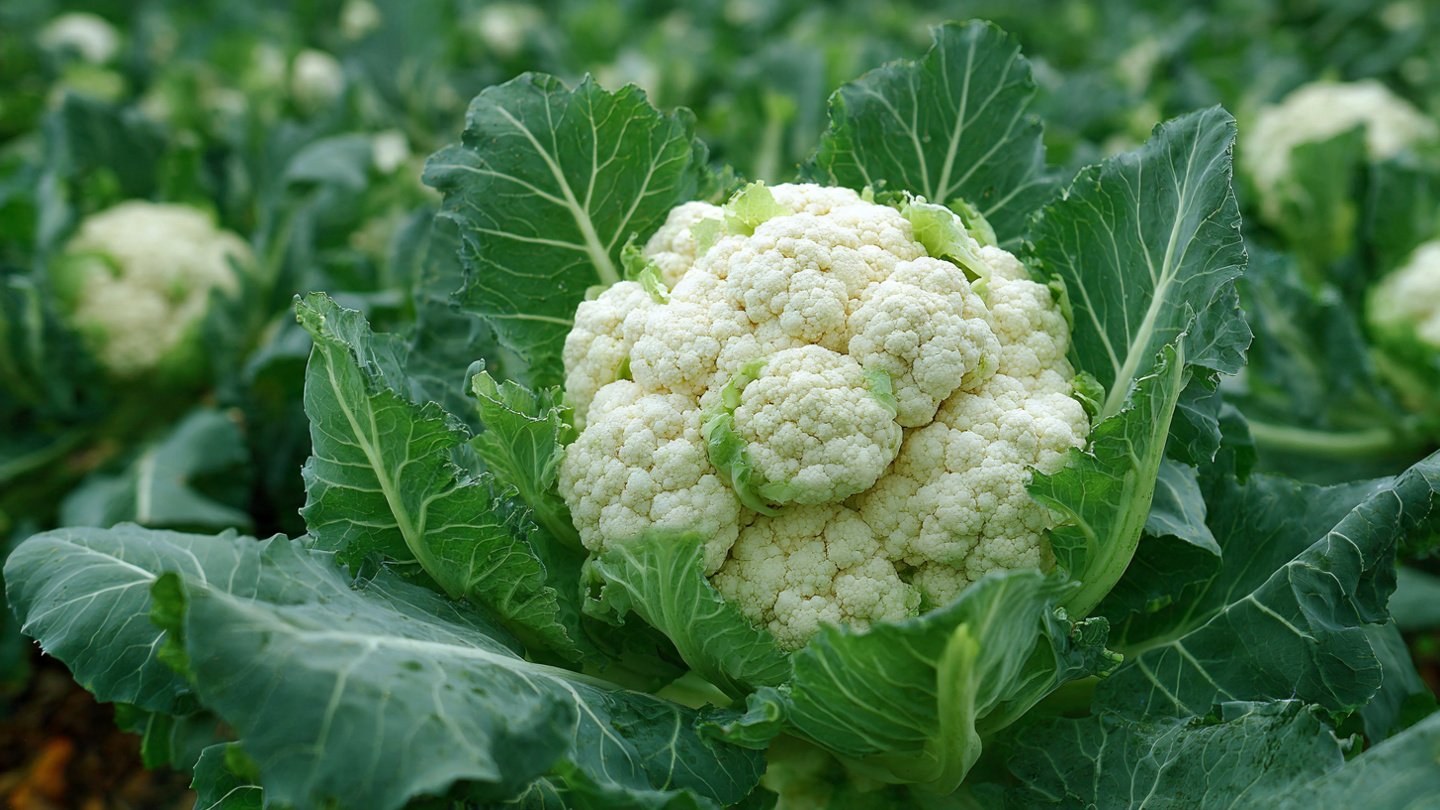

Growing cauliflower can be a rewarding endeavor for gardeners, but achieving those massive, pristine heads can feel like an uphill battle. One of the common issues faced while growing cauliflower is yellowing leaves, which can indicate stress or poor growing conditions. Here’s a detailed guide on how you can cultivate spectacular cauliflower heads without the dreaded yellowing.
Understanding Cauliflower
Before delving into gardening techniques, it’s essential to understand the basics of cauliflower. This cruciferous vegetable is a member of the Brassica family, which includes broccoli, kale, and cabbage. Cauliflower thrives in cool weather, making it a excellent choice for spring or fall gardening in many regions.
Ideal Growing Conditions
Cauliflower prefers cooler temperatures between 50°F and 65°F (10°C to 18°C). Understanding these conditions can set you up for success.
- Soil: Well-drained, loamy soil rich in organic matter is ideal. It provides the necessary nutrients and helps prevent root rot.
- pH Level: The optimal pH level for cauliflower is between 6.0 and 7.0. Conduct a soil test to assess your pH level.
- Sunlight: Cauliflower requires at least 6 hours of full sun each day. However, in hotter climates, providing partial shade can help.
Seed Selection and Preparation
Choosing the right seed variety is crucial for success. Look for hybrids that are bred for your climate zone and have resistance to pests and diseases. Popular varieties include:
- Snowball: Known for its reliable heads and quick growth.
- Cheddar: A unique orange cauliflower, rich in beta-carotene.
- Graffiti: Purple cauliflower that adds color and nutrition.
Germination Process
Start cauliflower seeds indoors 4-6 weeks before the last frost date. Use seed-starting soil and maintain moisture but avoid overwatering, which can lead to rot. Once the seedlings have 2-4 true leaves, they can be transplanted to the garden.
Transplanting Seedlings
When transplanting, follow these guidelines:
Hardening Off: Gradually acclimate seedlings to outdoor conditions over 7-10 days by reducing their indoor light exposure and increasing their time outside.
Spacing: Space seedlings 18-24 inches apart in rows that are 24-30 inches apart. Adequate spacing prevents overcrowding, allowing for better airflow and sunlight, reducing the chances of disease.
Transplanting Depth: Ensure that the seedling is planted at the same depth it was growing in the seed tray.
Watering Techniques
Watering is critical for preventing yellowing leaves in cauliflower. Here are some strategies:
Consistent Moisture: Cauliflower requires consistent soil moisture. Aim for about 1-1.5 inches of water per week, adjusting for rain.
Deep Watering: Water deeply to encourage strong root growth. Shallow watering can result in weak, stressed plants.
Consider Mulching: Applying organic mulch (like straw or wood chips) helps retain soil moisture and regulate temperature, while also suppressing weeds.
Nutrient Management
Feeding your cauliflower properly greatly contributes to its health. Here’s what you can do:
Soil Testing
Conduct a soil test to determine existing nutrient levels. Based on the results, you can amend accordingly:
Nitrogen: Essential for leaf growth. Use a high-nitrogen fertilizer early in the growing season. Avoid too much nitrogen later, as it can lead to loose heads.
Phosphorus and Potassium: Important for root and flower development. Choose a balanced fertilizer or one specifically for flowering crops.
Application Timing
Apply fertilizers at planting, then side-dress with nitrogen-rich fertilizers when your plants are about 6 inches tall and again when heading begins.
Pest and Disease Management
Cauliflower is susceptible to various pests and diseases, which can cause stress leading to yellowing. Here’s how to manage them effectively:
Common Pests
Aphids: These tiny insects can suck the sap from leaves. Introduce natural predators like ladybugs or use neem oil.
Cabbage Loopers and Worms: Handpicking or using row covers can help protect young plants.
Fungal Diseases
- Downy Mildew and Powdery Mildew: Ensure proper spacing and airflow around the plants. Fungicides can be effective if applied early.
Integrated Pest Management (IPM)
Incorporate strategies such as rotating crops and using companion planting to deter pests naturally.
Managing Temperature and Sunlight
Temperature extremes can lead to yellowing leaves. Here are ways to manage temperature:
Shade Protection: In warmer climates, use shade cloth to protect plants from intense afternoon sun, especially when young.
Row Covers: Use frost cloth to shield against late frosts while maintaining adequate moisture.
Topping and Trimming
When growing cauliflower, some gardeners find that topping the plant can encourage larger heads. Here’s how to do it:
Remove Lateral Leaves: Once the head starts forming, gently prune away some of the larger leaves to allow sunlight to reach the developing head.
Leave Enough Foliage: Always leave some leaves; they provide energy for the plant.
Timing Harvest
Harvest timing is crucial to avoid yellowing:
Check Size: The ideal head size varies by variety, but it typically ranges from 6-8 inches in diameter.
Evaluate Color: A white head should remain free of discoloration. Yellowing can occur with over-ripening or stress.
Cutting Method: Use a sharp knife to cut the stalk, leaving a few outer leaves for protection during storage.
Post-Harvest Care: Cauliflower is best stored in a cool, humid place. Wrap heads loosely in plastic to maintain freshness.
Conclusion
Growing massive heads of cauliflower without yellowing requires a multifaceted approach. From understanding the plant’s needs and selecting the right seeds to managing water, nutrients, and pests, each step plays a vital role in ensuring healthy, vibrant plants.
By adhering to these strategies, you can enjoy a bountiful harvest of cauliflower, showcasing beautiful, creamy heads that are the pride of any garden. Happy gardening!