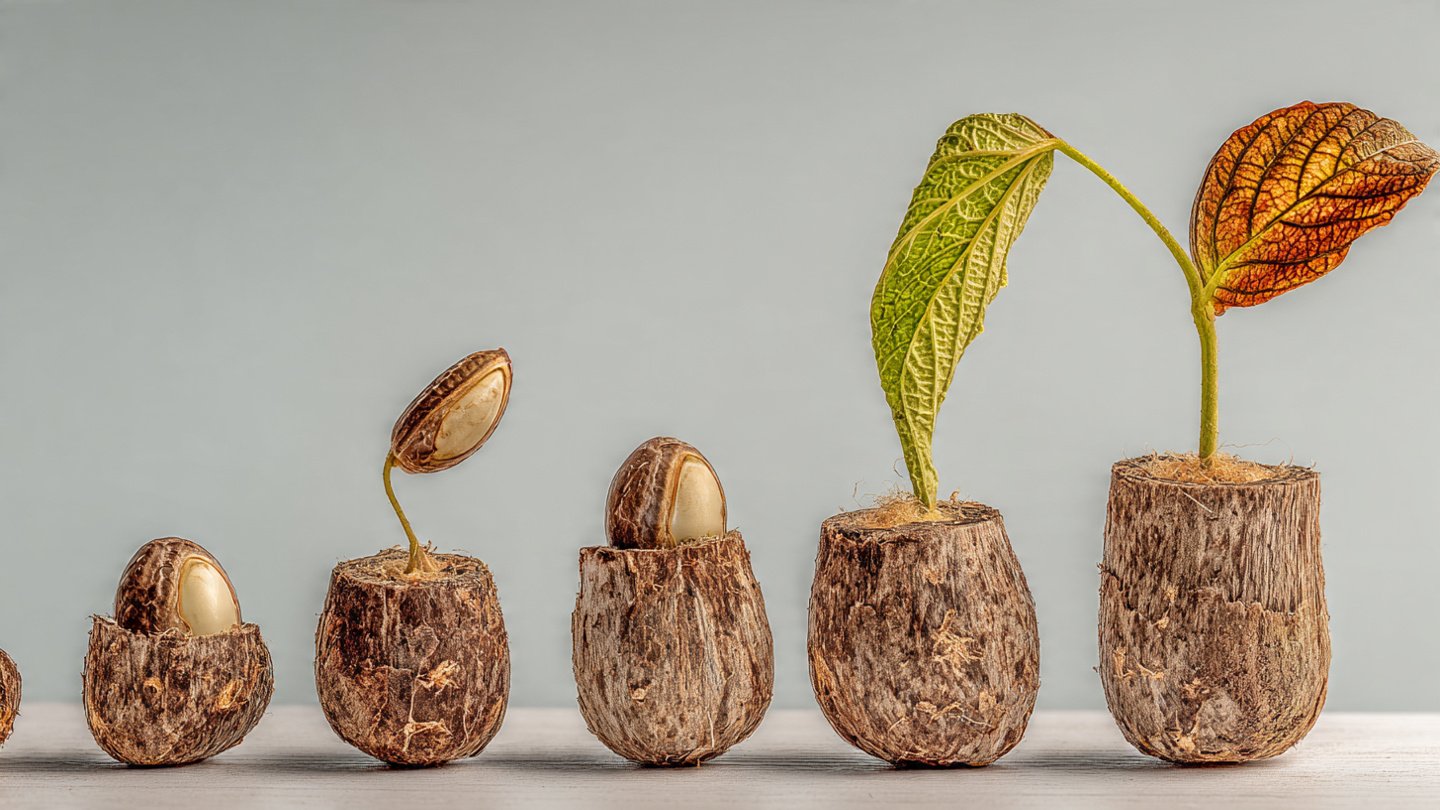

Plants have an extraordinary ability to reproduce and adapt, and one fascinating process is the ability of a leaf to grow into a new plant. This process, known as vegetative propagation, allows certain plants to reproduce asexually. In this article, we will explore the mechanisms, types, and environmental conditions necessary for a leaf to develop into an independent plant, alongside the science behind this remarkable phenomenon.
Understanding Vegetative Propagation
Vegetative propagation is a form of asexual reproduction that involves the creation of new plants from the vegetative parts (non-reproductive parts) of a parent plant, such as leaves, stems, and roots. Unlike sexual reproduction, which involves the fusion of gametes, vegetative propagation results in genetically identical offspring, also known as clones.
The Role of Leaves in Plant Reproduction
In many species, leaves play a vital role in vegetative reproduction. They contain meristematic tissue, which is responsible for the growth and development of new plant tissues. When a leaf detaches from a plant, certain conditions can encourage it to develop roots and grow into a new plant.
Leaf Structure and Its Importance
A leaf consists of various layers: the epidermis, mesophyll, and vascular tissues. The mesophyll is rich in cells that are capable of undergoing cellular division, which is crucial for regeneration. Additionally, leaves store nutrients and carbohydrates, providing the necessary energy for new growth.
Conditions Favorable for Leaf Propagation
For a leaf to develop into a new plant, specific conditions must be met:
- Moisture: Adequate water is essential for root development.
- Soil Quality: Nutrient-rich, well-draining soil facilitates healthy growth.
- Light: Sufficient light encourages photosynthesis, which is vital for energy production.
- Temperature: Optimal temperatures promote cellular activity and growth rates.
Common Plants that Use Leaf Propagation
Several plant species naturally reproduce through their leaves. Here are a few examples:
1. African Violets (Saintpaulia)
African violets are popular houseplants that can be propagated by leaf cuttings. A healthy leaf is detached and placed in water or moist soil, where roots begin to develop, eventually giving rise to new plants.
2. Begonias
Begonia leaves can be propagated by simply cutting them into sections and placing them in moist soil. Each section has the potential to root and grow into a new plant.
3. Sedum
Some species of Sedum can form new plants from a single leaf placed on soil. The leaf quickly develops roots and begins to grow, often thriving in dry conditions.
4. Kalanchoe
The Kalanchoe plant can produce small plantlets along its leaf margins. When these plantlets fall to the ground, they can root and grow into new plants.
The Process of Leaf Propagation
The general steps involved in propagating a plant from a leaf include:
1. Selection of Leaf
Choose a healthy, mature leaf from the parent plant. It is essential to ensure that the leaf is free from diseases and pests.
2. Preparation
Depending on the type of plant, you may need to cut the leaf into sections or leave it intact. Some plants require that the leaf’s base is dipped in rooting hormone to encourage root development.
3. Planting
Place the leaf or leaf segments in soil or water. If using soil, ensure it is kept moist but not waterlogged.
4. Providing Appropriate Conditions
Place the planted leaf in an environment with suitable light and temperature. Maintaining humidity levels can also support root development.
5. Monitoring Growth
Roots usually start to develop within a few weeks, and once a healthy root system is established, it indicates that the new plant is ready for transplanting or individual potting.
Conclusion
In conclusion, the ability of a leaf to grow into a new plant is a remarkable aspect of nature that highlights the versatility and resilience of plants. Through vegetative propagation, leaves contribute significantly to a plant’s reproductive strategy. As gardeners and plant enthusiasts explore propagation techniques, understanding the conditions and processes involved will enhance their ability to cultivate new life from a single leaf. This method not only fosters biodiversity but also ensures that the beauty of plants is preserved for generations to come.
FAQs
1. Can any leaf grow into a new plant?
No, not all plant species can reproduce from leaves. Some plants are more successful with this method than others, such as African violets and begonias.
2. How long does it take for a leaf to grow roots?
The time it takes for a leaf to develop roots can vary. Generally, it can take anywhere from a few weeks to a few months, depending on the plant species and environmental conditions.
3. Do I need special equipment to propagate leaves?
You don’t need special equipment, but utilizing a sharp knife or scissors and hosting your plants in a well-draining potting mix or clean water can enhance the process.
4. How do I know when to transplant a new plant?
A new plant is ready to be transplanted when it has developed a healthy root system. You can gently pull on the leaf; if it resists, that usually indicates strong root growth.
5. What should I do if my propagated leaf starts to wilt?
If your leaf starts to wilt, check the moisture level in the soil and the light conditions. Adjust these factors accordingly to maintain optimal growing conditions.