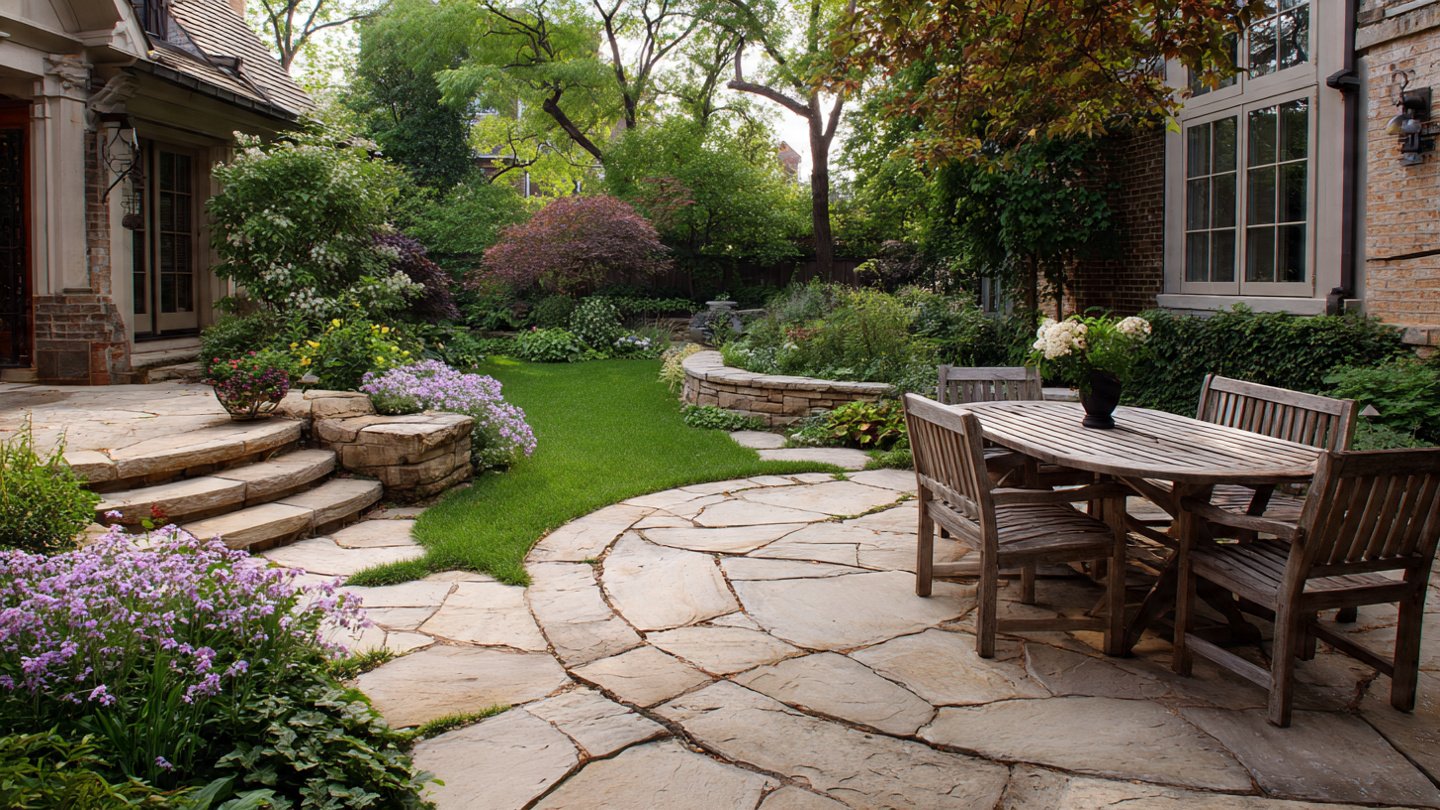

Flagstone patios are a beautiful and durable addition to any outdoor space, adding character and charm. However, over time, you may notice that your once-stable flagstone patio starts to wobble. This issue can be frustrating and potentially dangerous, as a wobbly surface can lead to uneven footing and increased risk of accidents. In this article, we will explore the secret factors that might cause your flagstone patio to wobble and provide some suggestions for remedies.
1. Poor Installation
The most common cause of a wobbly flagstone patio is improper installation. If the stones were not laid correctly, they may shift over time:
- Inadequate Base Preparation: A solid foundation is crucial for any patio. If the base is not compacted properly or lacks sufficient material, it can lead to sinking or shifting.
- Insufficient Jointing: The spaces between the stones should be filled adequately with sand or other jointing materials. If these gaps were overlooked, stones may move or wobble.
- Poor Alignment: Flagstones must be aligned properly to ensure even weight distribution. Misalignment from the start can lead to a wobble as traffic patterns form.
2. Soil Movement
Soil instability can have a drastic impact on the stability of your patio:
- Expansive Clay Soil: If your patio is built on clay soil, changes in moisture levels can cause expansion and contraction. This movement can create gaps beneath the stones, leading to instability.
- Trenching: If any underground utilities were installed or disturbed after the patio was built, it might have compromised the soil. This can lead to settled areas or even sinking.
- Water Drainage Issues: Improper drainage can cause erosion beneath your patio. If water pools, it may wash away soil, leaving stones unsupported.
3. Weather Conditions
Extreme weather can have adverse effects on your flagstone patio:
- Freezing Temperatures: In areas where winter temperatures drop below freezing, expansion and contraction cycles can cause stones to shift. This occurs when water seeps into cracks, freezes, and then expands.
- Rain and Moisture: Excessive rain can also contribute to the wobbling, as it may saturate the ground and cause soil to lose its structural integrity. With soil erosion, stones may not sit as firmly as before.
- Heat and Sun Exposure: On the flip side, extreme heat can dry out or bake the soil, leading to cracks and uneven settling.
4. Regular Traffic
The more you use your flagstone patio, the more you can expect it to shift. Factors contributing include:
- Foot Traffic: High foot traffic can cause stones to shift, especially if they were not set deeply enough in the base material.
- Heavy Furniture: Large, heavy patio furniture can exert pressure on some stones, leading to wobbling if they weren’t installed with sufficient support.
5. Insect Intrusions
While it may seem trivial, insect intrusion can play a part in the wobbliness of your patio:
- Ants and Other Burrowing Insects: Insects that dig beneath the surface can create small voids in the soil. This can lead to settling and wobbly stones over time.
- Termite Damage: Even if your patio is predominantly stone, if wooden structures are nearby (like fences), termite damage to those structures could weaken the support for nearby stones.
6. Settlement Issues
Patios are subjected to natural processes that can lead to settlement:
- Newly Built Homes: In newly constructed areas, soil may continue to settle after a home is built. This ongoing settling can affect the stability of outdoor structures, including patios.
- Foundation Issues: If the foundation of your home is settling or shifting, it may also impact adjacent outdoor structures. If the home is moving, the patio may follow suit.
7. Lack of Maintenance
Regular maintenance is essential for keeping a flagstone patio in good condition:
- Weeds and Grasses: Weeds can grow in the joints, pushing stones apart over time. Regularly clearing these can prevent shifting.
- Jointing Replacement: If the jointing material (like sand) washes away or becomes compacted, consider replenishing to maintain stability.
Conclusion
A wobbly flagstone patio can be bothersome and may diminish the beauty of your outdoor space. Understanding the factors contributing to this issue can help you not just address the problem but also prevent it in the future. Whether your patio is wobbling due to poor installation, soil movement, weather conditions, or maintenance neglect, identifying the root cause is key to finding an effective solution. Regular checks and maintenance, along with prompt attention to any issues that arise, can help keep your patio stable and secure.
FAQs
1. How can I determine if my flagstone patio was installed properly?
Check for even surfaces and proper joint spacing. If stones are uneven or if there are noticeable gaps, it may indicate poor installation.
2. Is it advisable to repair my patio myself, or should I hire a professional?
If you’re familiar with outdoor construction and have the necessary tools, minor repairs can be DIY. However, for significant issues or complete reinstallation, hiring a professional is recommended.
3. What are some preventive measures I can take to avoid a wobbly patio?
Ensure proper installation from the beginning, conduct regular maintenance, manage vegetation growth, and address drainage issues promptly.
4. How often should I maintain my flagstone patio?
Regular maintenance once or twice a year is ideal, but you should also check more frequently if you notice any changes or after heavy rain or snowfall.
5. Can I use my flagstone patio if it’s wobbling?
While it might be safe for light foot traffic, a wobbly patio poses a risk of trips and falls. It’s best to repair it before regular use resumes.