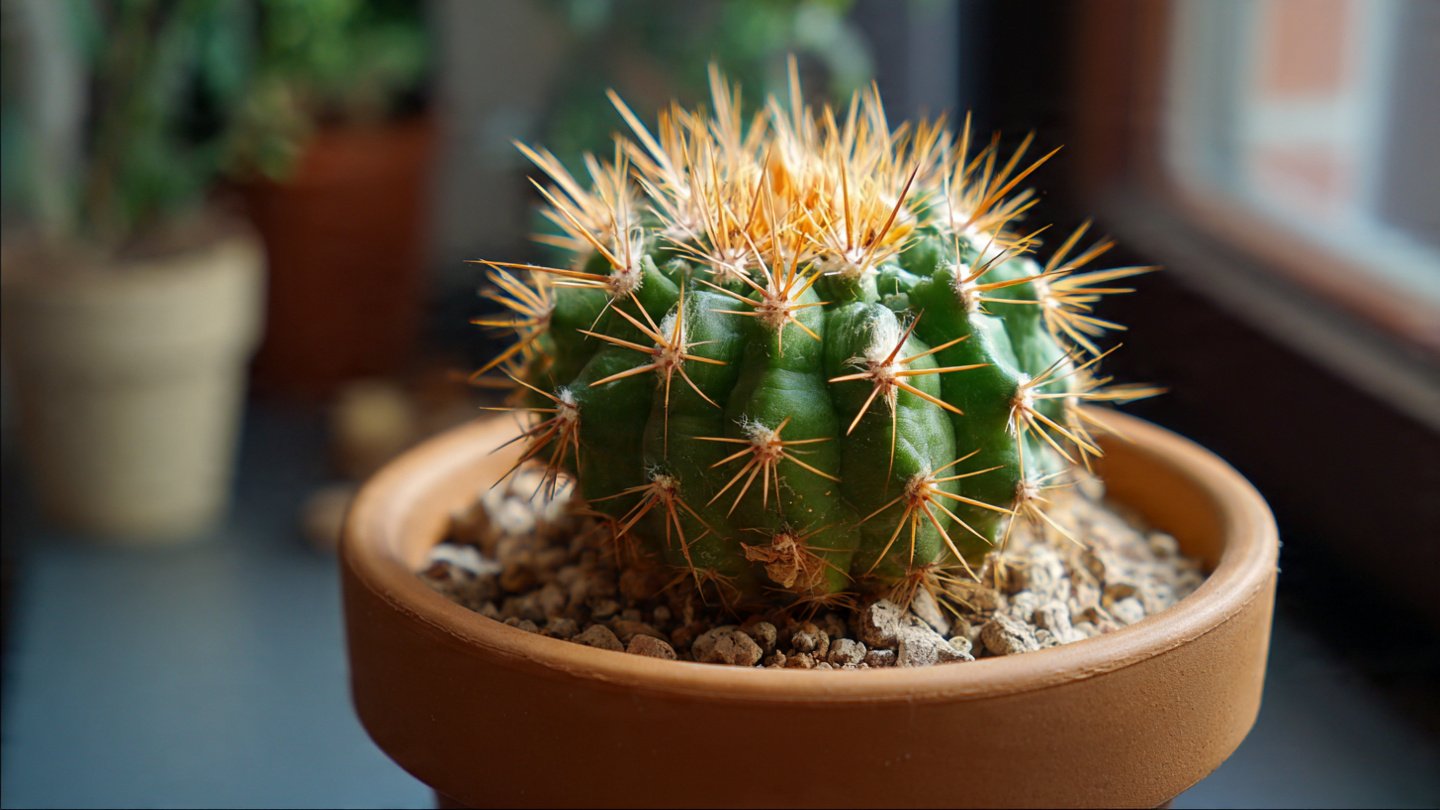

Understanding the Challenges of Repotting a Large Cactus
Repotting a large cactus can be an exciting yet daunting task. These unique plants are known for their tough exteriors and stunning structures, but they also come with specific challenges, particularly when it comes to their handling. The spines on many cactus varieties can be sharp and painful, making it essential to approach the repotting process with caution. This article aims to guide you step-by-step about how to safely repot a large cactus without getting hurt.
Why Repotting is Necessary
Repotting a cactus is often necessary to promote healthy growth. Here are several reasons why you might consider repotting:
- Root Bound: When a cactus’s roots outgrow its pot, it can become root bound, leading to stunted growth.
- Soil Depletion: Over time, the nutrients in the soil can deplete, impacting the health of your plant.
- Increased Size: As your cactus grows, it may simply require a larger pot to accommodate its expanding roots.
Tools and Materials Needed
Before you start the repotting process, gather the following tools and materials:
- Thick Gloves: Invest in heavy-duty gardening gloves to protect your hands from sharp spines.
- Tongs or Forks: Long-handled tools can help you maneuver the cactus without directly touching it.
- Spade or Shovel: For lifting and digging, a small spade or shovel is beneficial.
- New Pot: Ensure the new pot has drainage holes and is slightly larger than the current one.
- Cactus Mix Soil: A well-draining soil mix designed for cacti helps prevent root rot.
- Watering Can: Prepare to water your cactus after repotting to help it adjust.
Step-by-Step Guide to Repotting
Step 1: Prepare Your Workspace
Start by preparing an appropriate workspace. Lay down some newspaper or a drop cloth to catch any soil spills. A sturdy table or gardening bench is ideal to make the process easier.
Step 2: Water the Cactus
Water your cactus a few days prior to repotting. This will help loosen the soil around the roots and make it easier to remove the plant from its old pot.
Step 3: Wear Protective Gear
Put on your thick gloves to protect your hands and forearms. Consider wearing long sleeves to provide an additional layer of safety against sharp spines.
Step 4: Use Tongs or the Fork
Using long-handled tongs or a garden fork, carefully grip the base of the cactus. If the cactus is too heavy, gently tilt it sideways to help loosen the soil around its roots.
Step 5: Remove the Cactus Carefully
Once the soil around the roots is loosened, carefully pull the cactus out. If it resists, gently rock it back and forth to ease it out. Take your time to avoid any sudden movements that could lead to injury.
Step 6: Inspect the Roots
Check the root system for any signs of rot or damage. Trim away any unhealthy roots with sterilized scissors. Healthy roots should be firm and white.
Step 7: Add New Soil to the New Pot
Fill your new pot with fresh cactus mix soil, leaving enough space to accommodate the roots of your cactus. Aim for about one-third of the pot’s height filled with soil.
Step 8: Place the Cactus in the New Pot
Gently position the cactus in the center of the new pot. Ensure that it sits at the same depth as it was in the old pot. Add more soil around the edges and lightly press down to eliminate air pockets.
Step 9: Water Moderately
Water your cactus moderately after repotting, ensuring that the soil is moist but not soggy. Allow the plant to settle in its new environment.
Step 10: Provide Ideal Conditions
Place your repotted cactus in a spot that receives plenty of bright, indirect sunlight. Avoid exposing it to harsh direct sunlight immediately after repotting, as it may be stressed and more susceptible to sunburn.
Aftercare and Maintenance
After repotting, your cactus may need some extra care:
- Monitoring Watering: Allow the soil to dry out between waterings to prevent root rot.
- Watch for Pests: Keep an eye out for any insects or pests that may target weakened plants.
- Fertilizing: About a month after repotting, consider fertilizing with a diluted cactus fertilizer for added nutrients.
Conclusion
Repotting a large cactus may seem intimidating due to its sharp spines and hefty stature, but with the right tools and a careful approach, you can make the process safe and efficient. By understanding the needs of your cactus and following the step-by-step guide outlined above, you’ll ensure the health and longevity of your plant while keeping yourself safe from injury. So, next time your cactus needs a new home, you’ll be ready to tackle the task with confidence.
FAQs
1. How often should I repot my cactus?
Generally, cacti should be repotted every 2 to 3 years, or sooner if you notice signs of being root-bound or if the soil has degraded.
2. Can I repot a cactus at any time of year?
The best time to repot most cacti is in the spring or early summer when they are entering their active growth phase.
3. What should I do if I get pricked by a cactus spine?
If you get pricked, use tweezers to carefully remove the spine. Clean the area with soap and water and apply an antiseptic if necessary.
4. How do I choose the right pot size for my cactus?
Choose a pot that is one size larger than the previous pot. This promotes healthy growth without overwhelming the plant.
5. What type of soil is best for cacti?
Use well-draining cactus soil or a mix of potting soil with sand or perlite to enhance drainage and prevent water retention.