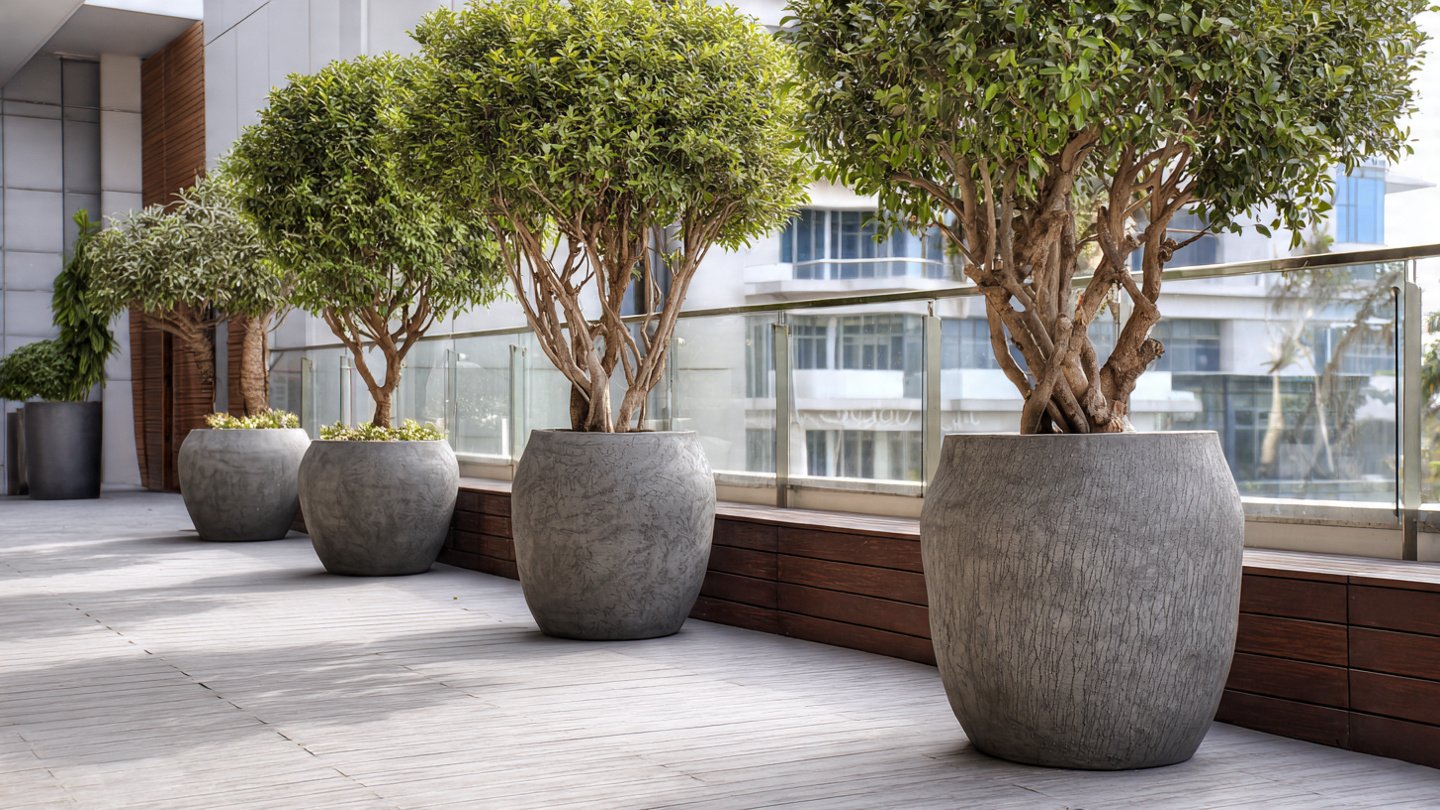

Potted trees can add significant beauty and greenery to your indoor or outdoor space, but they also come with unique challenges, particularly when faced with high-rise winds. Urban environments often experience stronger gusts due to the heat island effect, building obstructions, and turbulence caused by city layouts. This article explores effective strategies for protecting your potted trees from dangerous high-rise winds, ensuring they remain healthy and vibrant.
Understanding High-Rise Winds
High-rise winds are created in urban areas through a combination of natural and man-made factors. Tall buildings can create wind tunnels, amplifying gusts that can potentially harm potted trees. These winds can lead to:
- Physical Damage: Leaves may be torn or broken, branches can snap, and containers may be toppled.
- Soil Erosion: High winds can dry out the soil rapidly, leading to nutrient loss and stress for the tree.
- Structural Instability: The root systems of potted trees may not anchor them securely enough against strong winds.
Understanding these potential impacts is essential for implementing effective protective measures.
Selecting the Right Pots
One of the most crucial aspects of protecting your potted trees is choosing the right pot. Consider the following when selecting containers:
Weight: Opt for heavier pots made of materials like ceramic, stone, or high-quality plastic. These heavier containers are less likely to be tipped over by strong winds.
Width and Stability: Wider pots provide a larger base, increasing stability. Ensure that the pot is proportionate to the size of the tree; a taller tree needs a wider base to avoid toppling.
Drainage: Proper drainage is vital for healthy root growth. Pots with adequate drainage holes prevent soil from becoming too saturated, making them more resilient in windy conditions.
Anchoring Your Potted Trees
Stabilizing your potted trees is essential for minimizing wind damage. Here are various anchoring techniques you can adopt:
1. Use Wind Screens
Building wind screens around your potted trees can significantly reduce wind velocity. These can be installed in the following ways:
Natural Barriers: Planting shrubs or smaller trees around your potted trees can create a natural windbreak.
Artificial Screens: Use materials like burlap, lattice, or solid fencing to block direct wind. Ensure that the screen is positioned at a distance that allows for adequate air circulation.
2. Secure with Stakes
Staking offers an effective way to anchor your potted trees. Here’s how to do it:
Select Appropriate Stakes: Choose sturdy stakes made of wood, metal, or bamboo that match the height of your potted tree.
Tie the Tree to the Stake: Use soft ties, like garden twine or padded ties, to attach the tree to the stake, allowing for some movement without causing damage.
Multiple Stakes: For larger trees, consider using multiple stakes positioned at different angles for optimal stability.
3. Grouping Pots
Grouping potted trees together can provide mutual support against strong winds. This technique creates a barrier of sorts, reducing wind velocity on individual trees. Additional tips include:
Placing Heavier Pots at the Front: If your group is facing a predominant wind direction, place heavier pots at the front to act as a buffer.
Varying Heights: Ensure that trees of varying heights are placed together to minimize gaps that could allow wind to funnel through.
Optimizing Plant Care Before Storms
Proper care can enhance a potted tree’s resilience against high winds. Consider adopting the following best practices:
1. Pruning
Regular pruning not only maintains the aesthetic of your tree but also ensures a sturdier structure that can withstand strong winds.
Remove Dead or Weak Branches: Inspect your trees regularly to remove any dead or brittle branches that may snap in high winds.
Steady Shape: Aim for a balanced shape when pruning. An evenly distributed canopy is less prone to wind resistance.
2. Enhancing Soil Quality
Healthy soil contributes significantly to a tree’s stability and nutrient uptake. Consider these steps:
Use Quality Soil Mix: A well-draining potting mix with organic matter improves soil structure, enhancing root anchorage.
Regular Fertilization: A balanced fertilizer regimen ensures your tree remains strong and healthy, helping it resist environmental stressors.
3. Water Management
While it’s essential to keep your tree hydrated, overwatering can lead to soil erosion and root instability during heavy winds:
Regular Checks: Continuously monitor the moisture levels in your pot. A well-watered tree is sturdier, but make sure it doesn’t become waterlogged.
Mulching: Adding a layer of organic mulch on top of the soil can help retain moisture while preventing rapid soil erosion.
Timing is Everything
Considering when to introduce protective measures can significantly impact their effectiveness. Be mindful of the following:
Preparing for Bad Weather: Monitor weather forecasts regularly and prepare your potted trees for impending high winds.
Seasonal Adjustments: Depending on your region, you may need to take protective measures only during certain seasons when high winds are most prevalent.
Choosing the Right Location
The placement of your potted trees plays a pivotal role in their exposure to high-rise winds. Keep these factors in mind:
1. Identify Wind Patterns
Before placing your potted trees, observe local wind patterns. Identifying the predominant wind direction can help you position your trees appropriately:
Avoid High Exposed Areas: Steer clear of placing your trees in elevated or open areas where winds are more forceful.
Seek Natural Protection: If possible, position your pots near buildings or other structures that can act as windbreaks.
2. Moveable Containers
Consider investing in wheeled plant stands or ensuring your pots are lightweight enough to be moved easily. This flexibility allows for relocating trees to sheltered spots during high winds.
3. Indoor Protection
For indoor potted trees, it is essential to avoid placing them near windows where wind can still have an effect. If you can, place them in a more protected area of your home, away from direct drafts.
Monitoring Tree Health
Consistent monitoring is essential for identifying stress in your potted trees, especially after exposure to high winds. Pay attention to the following signs:
Leaf Discoloration: Yellowing or browning leaves may indicate stress or dehydration.
Dropping Leaves: A sudden loss of leaves can be a sign of root distress or inadequate water.
Regular Care Routine
Implementing a regular care routine helps ensure your tree remains healthy and resilient:
Inspect Weekly: Regularly check your trees for any signs of stress or damage.
Document Growth: Keeping a journal of growth patterns and health can help you identify any persistent issues.
Conclusion
High-rise winds can wreak havoc on potted trees in urban environments, but with careful planning and protective measures, you can shield your greenery from potential damage. From selecting the right pots and anchoring techniques to proper plant care and monitoring procedures, these strategies will empower you to maintain robust and vibrant potted trees amidst challenging wind conditions. Implementing these practices not only safeguards your trees but also enhances the aesthetic appeal and tranquility of your outdoor and indoor spaces. By taking proactive measures and adapting to the unique challenges posed by your environment, you can cultivate thriving potted trees that withstand the test of time and nature’s elements.