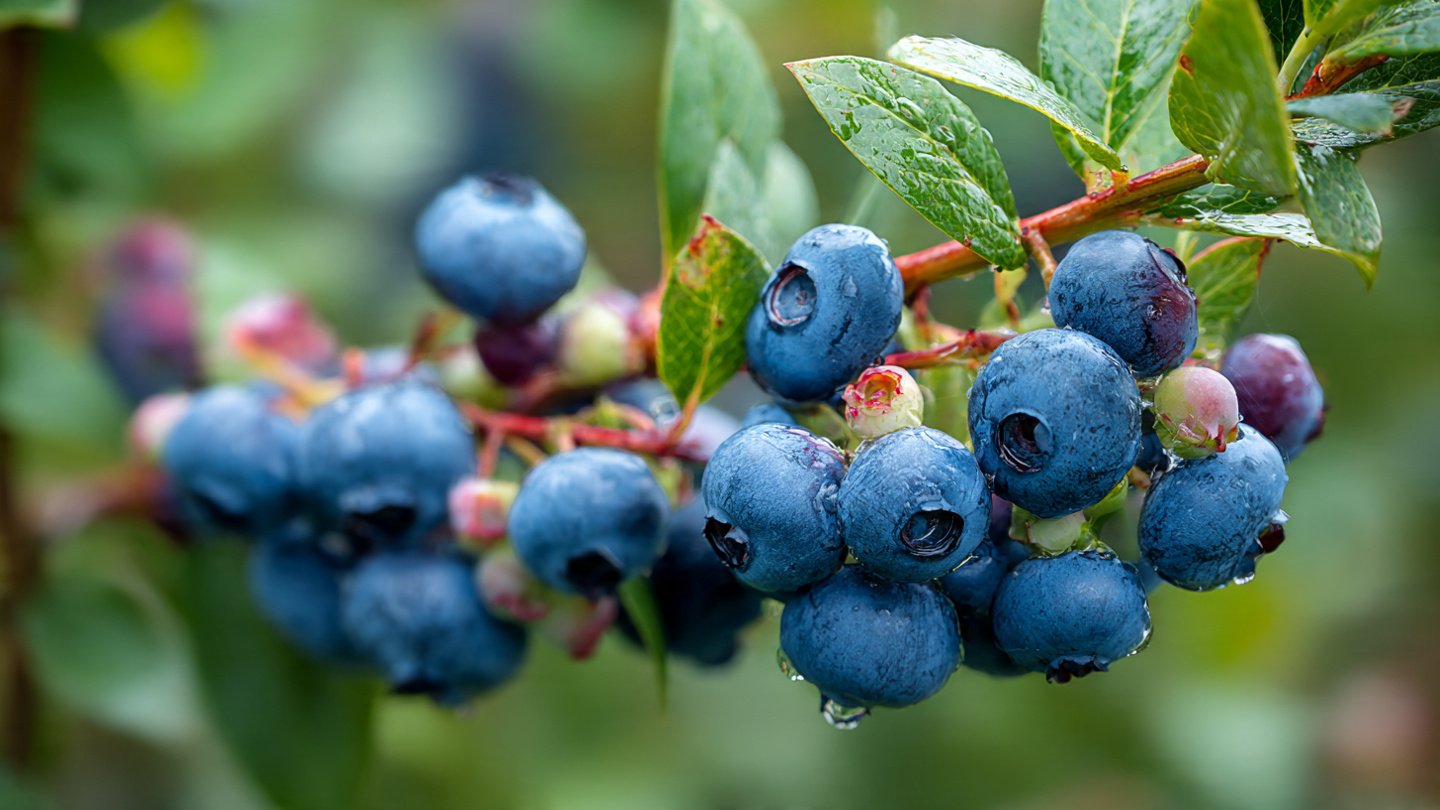

Blueberry bushes are a fantastic addition to any garden, offering delicious fruits while also providing beautiful foliage and blooms. However, successfully cultivating these bushes requires specific care, particularly in terms of soil quality and acidity. One highly effective, yet often overlooked, method for enhancing the health of your blueberry bushes is the use of pine needles. This natural resource can serve multiple purposes in your garden, from mulching to acting as an organic fertilizer. In this article, we will explore how pine needles can transform your blueberry bushes into a thriving garden.
Understanding the Needs of Blueberry Bushes
Before diving into pine needle benefits, it’s crucial to understand what blueberry bushes require for optimal growth. Here are some key aspects:
- Soil Acidity: Blueberries thrive in acidic soil, preferably with a pH of 4.5 to 5.5.
- Watering: They require consistent moisture, particularly during fruit development.
- Nutrients: Blueberries benefit from nutrient-rich soils, particularly nitrogen, phosphorus, and potassium.
- Sunlight: Full sun exposure (6-8 hours a day) is ideal for maximum fruit production.
Pine Needles: A Natural Resource
Pine needles, often seen as mere debris from evergreen trees, can be a powerful ally in blueberry cultivation. Here’s how:
1. Soil Acidity
Pine needles are slightly acidic and can help maintain or lower the pH level of the soil. When mulched around blueberry bushes, pine needles break down over time, releasing organic acids that further acidify the surrounding soil. This is particularly beneficial for blueberry bushes, as they thrive in acidic conditions. A good practice is to layer 3 to 4 inches of pine needles around the base of the bushes. Just make sure not to pile them directly against the stems.
2. Moisture Retention
One of the critical requirements for blueberry bushes is adequate moisture. Pine needles, when used as mulch, serve as an excellent moisture-retention agent. They create a barrier that reduces water evaporation from the soil beneath, helping to keep the roots hydrated. This is especially important during dry spells or hot summer months. Moreover, as the needles decompose, they improve soil structure and increase its ability to retain moisture in the long term.
3. Weed Suppression
Pine needles provide a natural barrier against weeds. When laid thick enough, they can prevent weed seeds from germinating, thereby reducing competition for nutrients and water. This allows your blueberry bushes to draw from the soil’s nutrients without the added stress of competition. As an added benefit, you won’t have to worry as much about weeding regularly, saving you time and effort.
4. Nutrient Enrichment
While pine needles might not be packed with nutrients, they do contribute organic matter to the soil as they decompose. Over time, they break down into a fine mulch that enriches the soil with valuable organic matter, improving its overall fertility. This is crucial for blueberry bushes, which require well-aerated and nutrient-rich soils for optimal growth and fruit production. You can also supplement the needles with other organic materials, like compost, to further enhance nutrient availability.
5. Temperature Moderation
Pine needles act as an insulating layer, helping to moderate soil temperature. This can protect blueberry roots from extreme temperatures, whether hot or cold. During winter, they help prevent the ground from freezing solid, while in summer, they can keep the soil cooler, which is beneficial for your plants. As the seasons change, this regulation can help your blueberry plants thrive year-round.
How to Use Pine Needles Effectively
To get the most out of pine needles when caring for your blueberry bushes, follow these tips:
- Timing: Apply pine needles in early spring or late fall to maximize their benefits. This timing allows for optimal decomposition and nutrient release.
- Layering: Spread a 3 to 4-inch layer evenly around the bushes, ensuring not to directly cover the stems.
- Monitor Soil pH: Test your soil’s pH regularly to ensure it remains in the optimal range for blueberries.
- Combine with Other Materials: Consider mixing pine needles with compost or other organic materials for a balanced approach to soil health.
Environmental Benefits
Using pine needles as a resource for your garden is also an environmentally friendly practice. Rather than letting these natural materials go to waste, you’re recycling them directly back into your garden ecosystem. This method not only promotes biodiversity but also reduces the need for synthetic fertilizers and herbicides. Furthermore, utilizing pine needles can enhance soil health, contributing to the overall sustainability of your gardening efforts.
Conclusion
Pine needles serve as a multifaceted resource for gardeners, especially those growing blueberry bushes. From improving soil acidity to retaining moisture, suppressing weeds, and enriching the soil, they play a crucial role in creating an optimal environment for blueberry cultivation. Incorporating pine needles into your gardening practices not only enhances the health of your blueberry bushes but also supports a sustainable gardening approach. So, next time you’re cleaning up your yard, think twice before discarding those pine needles; they could be the secret ingredient for a fruitful garden!
FAQs
1. Can I use pine needles from any pine tree?
Yes, most types of pine needles can be used, but it’s best to avoid needles from trees treated with chemicals or pesticides. Eastern white pine, lodgepole pine, and ponderosa pine are commonly used.
2. How often should I replenish the pine needle mulch?
Replenishing the mulch layer every one to two years is advisable, or when you notice the layer has thinned significantly.
3. Are there any disadvantages to using pine needles?
While they are largely beneficial, pine needles can take longer to decompose compared to other organic materials. Also, if excessively piled against the base of the plant, they can retain too much moisture and lead to rot.
4. Will using pine needles change the taste of blueberries?
No, using pine needles will not change the taste of the blueberries; they simply help create a better growing environment for the bushes.
5. Can I mix pine needles with other types of mulch?
Yes, mixing pine needles with other organic mulches like wood chips or compost can create a well-rounded mulch that provides various benefits to your plants.