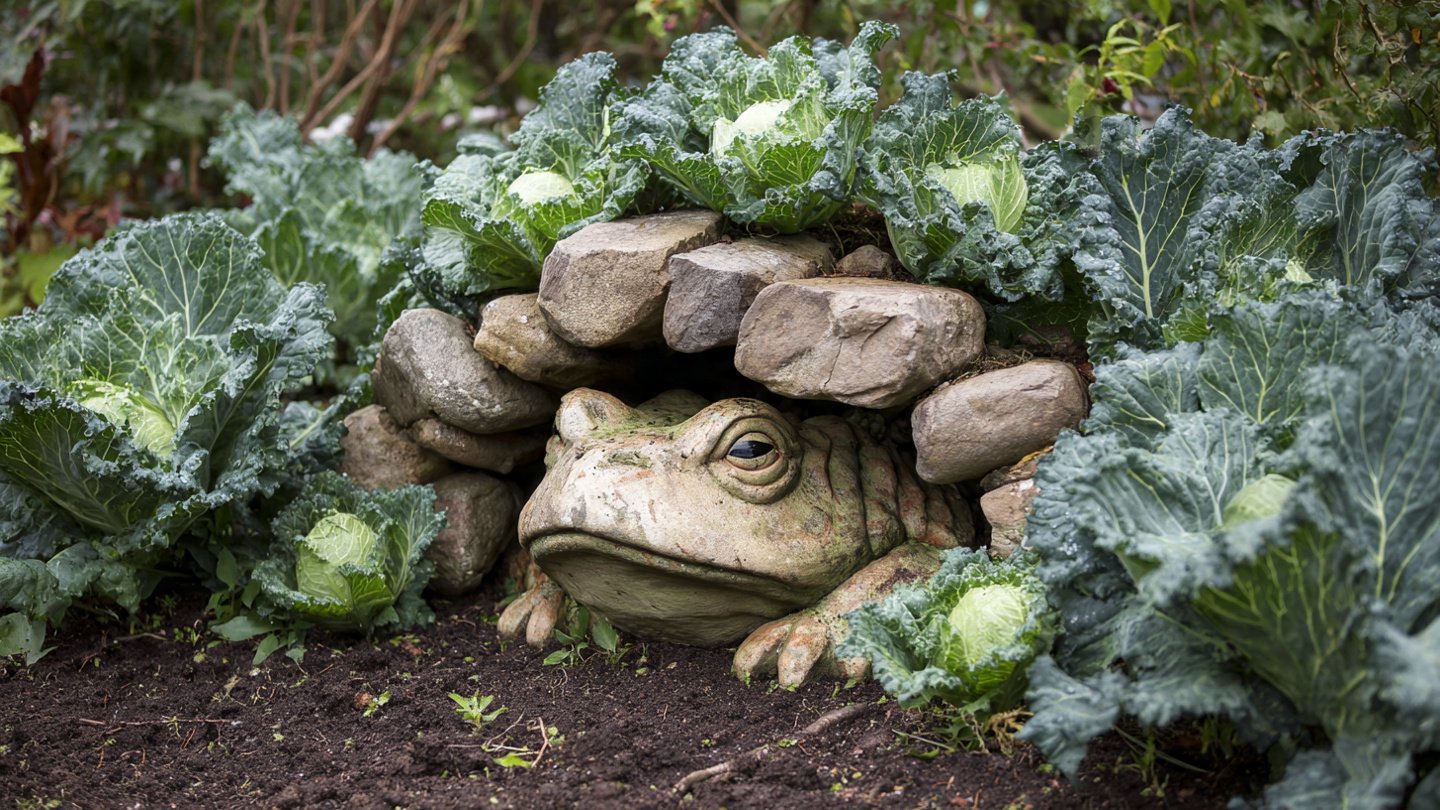

Gardening can be a fulfilling and therapeutic hobby, especially when you are rewarded with fresh vegetables and herbs. However, maintaining a healthy garden can be a challenging task, often marred by pesky pests that threaten your hard-earned crop. One innovative and eco-friendly solution to help manage these pests is the construction of a toad house in your garden. This simple project not only benefits your plants but also contributes to the ecosystem. In this article, we will explore the benefits of having a toad house and how it contributes to a more sustainable approach to gardening.
Understanding the Toad’s Role in the Ecosystem
Toads are often misunderstood creatures. They are not just slimy and unattractive; they play a crucial role in your garden’s ecosystem. A single toad can consume thousands of pests during its lifetime, making them natural pest controllers. Here are some key points about their ecological role:
- Pest Control: Toads primarily feed on insects. They delight in consuming beetles, slugs, caterpillars, and various other pests that can harm your vegetable crops. By inviting them into your garden, you can significantly reduce the need for chemical pesticides.
- Soil Health: As they hunt for food, toads aerate the soil and help establish a healthy ecosystem, which in turn benefits plant growth.
- Indicators of Environmental Health: Toads are sensitive to environmental changes and serve as indicators of soil and water quality, helping gardeners to maintain a healthier environment.
The Construction of a Toad House
Creating a toad house is a relatively simple and enjoyable DIY project. You can use various materials like wood, bricks, or even old flowerpots. Here’s a step-by-step guide to building your own toad house:
- Choose the Location: Select a shaded spot in your garden that is near water sources like a pond or birdbath. Toads prefer moist environments.
- Select Materials: Use untreated wood, bricks, or stones to construct your house. Ensure the materials are safe for wildlife.
- Build the Structure: The design can be as simple or elaborate as you wish, but the house should have a small entrance and a roof to keep out rain. A simple arrangement could be stacking bricks with a wooden plank on top.
- Provide Shelter: Add organic materials such as leaves or straw inside the house to offer comfort and retain moisture.
Ultimately, your toad house should be a cozy haven where toads feel secure and protected.
Benefits of Having a Toad House
The advantages of incorporating a toad house into your garden extend beyond simple pest control. Here are several other benefits:
- Organic Gardening: With natural pest controllers like toads in your garden, you can minimize or eliminate the need for chemical interventions, thus promoting organic gardening.
- Sustainability: By supporting local wildlife, you contribute to biodiversity in your garden. Diverse ecosystems are generally healthier and more resilient to pests.
- Educational Opportunity: Toad houses can be a wonderful educational tool for families, allowing children to learn about the importance of wildlife in gardening and the ecosystem.
- Enhances Aesthetics: A well-crafted toad house can add an element of charm and interest to your garden landscape.
Encouraging Toads to Visit
Once your toad house is built, it’s essential to encourage toads to take up residence. Here are some strategies to attract these beneficial creatures:
- Moisture: Keep an area of your garden moist to draw in toads. Consider adding a birdbath or a shallow dish of water that is regularly refilled.
- Natural Habitat: Create a favorable environment by planting native plants and allowing some organic debris to remain or accumulate in the garden.
- Refuge from Predators: Make sure the toad house is in a safe area, away from pets or other predators that might threaten them.
Challenges of Toad Houses
While building a toad house is a beneficial endeavor, there can be challenges:
- Toad Visibility: Toads might not come immediately to your toad house. Patience is key. It may take some time for them to find it and take residence.
- Seasonal Changes: Toads are more active during specific seasons, so you might not see immediate results. Consider this while planning your gardening activities.
Conclusion
Building a toad house is a small yet impactful way to safeguard your garden and vegetable crops while contributing to local biodiversity. By inviting toads into your garden, you benefit not only from their natural pest control abilities but also promote a more sustainable and organic gardening practice. As you embark on this simple DIY project, remember that you’re offering a safe haven for these beneficial amphibians and creating a more harmonious environment in your garden. So grab some materials, start building, and enjoy the myriad benefits that toads can bring to your gardening experience!
FAQs
1. Do toads really help with pest control?
Yes, toads consume a wide variety of garden pests, including slugs, beetles, and caterpillars, which are known to damage vegetable crops.
2. What materials are best for building a toad house?
Untreated wood, bricks, and stones are excellent choices. Always ensure the materials are safe and natural for wildlife.
3. How long will it take for a toad to inhabit my toad house?
The time can vary, as it depends on environmental conditions and the toad’s natural habits. Patience is essential!
4. Can I place my toad house in direct sunlight?
It’s better to place it in a shaded area, as toads prefer moist environments. Too much direct sunlight can make the space uncomfortable for them.
5. What else can I do to attract wildlife to my garden?
In addition to building a toad house, consider planting native plants, providing water sources, and creating sheltered spaces in your garden.