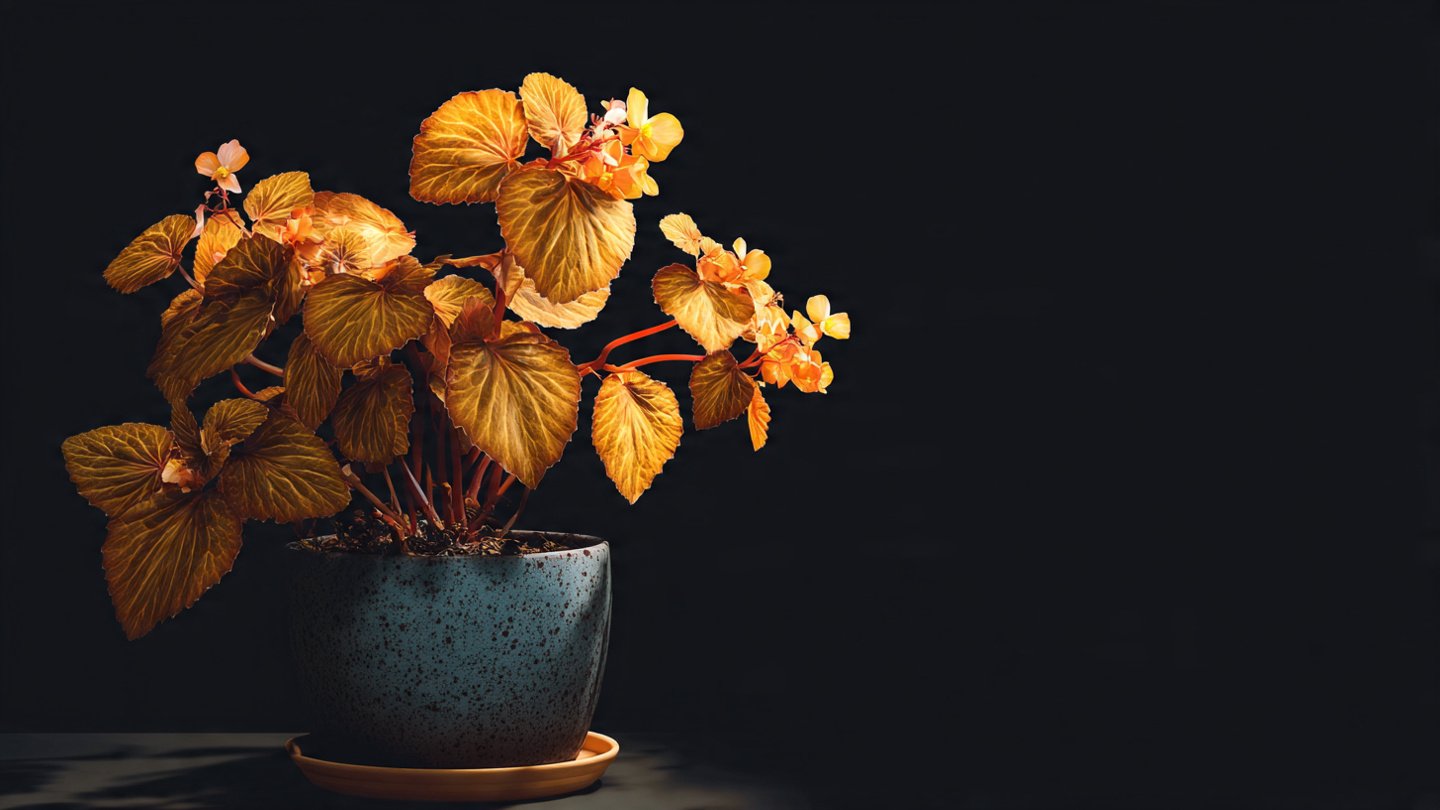

Potted flowers can bring life and color to any indoor or outdoor space. However, when you notice the leaves of your beloved flower turning yellow at the base, it can be a cause for concern. This article will delve into the various factors that contribute to this issue, providing practical advice on how to address and prevent it.
1. Overwatering
One of the most common reasons for yellowing leaves in potted flowers is overwatering. Plants need a balance of water and air in the soil, and too much water can lead to drowning the roots. This condition, known as root rot, can severely impact the plant’s health.
- Symptoms: Leaves turn yellow and may become mushy or droopy.
- Solution: Ensure that the pot has drainage holes and reduce watering frequency. Allow the soil to dry out slightly before rewatering.
2. Underwatering
Conversely, underwatering can also cause leaves to yellow, although this is less common. When a plant doesn’t receive adequate moisture, it can become stressed and begin to exhibit signs of distress.
- Symptoms: Leaves may turn yellow and crispy around the edges.
- Solution: Check the soil moisture and ensure that you are watering your plant sufficiently, especially during hot weather.
3. Nutrient Deficiency
Nutrient deficiencies can also lead to yellowing leaves, particularly if the plant lacks essential minerals like nitrogen, iron, or magnesium.
- Symptoms: Leaves may appear pale or yellow, often starting from the base and spreading upwards.
- Solution: Fertilize your plant with a balanced fertilizer or one specifically tailored to its needs. Look for slow-release formulas for long-lasting benefits.
4. pH Imbalance
The pH level of the soil can affect nutrient absorption. If the soil is too acidic or alkaline, your plant may struggle to take up the nutrients it needs, leading to yellowing leaves.
- Symptoms: Leaves start turning yellow, possibly accompanied by stunted growth.
- Solution: Test the soil pH and amend it as necessary. For most potted flowers, a pH between 6.0 and 7.0 is ideal.
5. Pest Infestation
Insects such as aphids, spider mites, and mealybugs can cause yellow leaves. These pests feed on the plant’s sap, leading to nutrient deficiencies and stressing the plant.
- Symptoms: Presence of webs, sticky residue, or visible pests on the plant.
- Solution: Inspect your plant regularly. Use insecticidal soap or neem oil to eliminate pests. Ensure to treat the entire plant, including undersides of leaves.
6. Fungal Infections
Fungi can also lead to yellowing leaves, often starting at the base of the plant. Fungal infections are typically caused by excessive moisture and poor air circulation.
- Symptoms: Leaves may show spots or a powdery appearance along with yellowing.
- Solution: Improve airflow around the plant and avoid overhead watering. If fungal infection occurs, you may need to use a fungicide.
7. Temperature Stress
Extremes in temperature, whether too hot or too cold, can stress your plant and lead to yellow leaves. Most flowering plants prefer consistent temperatures.
- Symptoms: Leaves turn yellow, wilting or curling might also occur.
- Solution: Adjust the placement of your potted flower to avoid drafts or heat sources, and maintain a stable temperature.
8. Lack of Light
Potted flowers need adequate light for photosynthesis. When they do not receive enough light, they may start to exhibit yellowing leaves, especially at the base.
- Symptoms: Leaves look limp and yellow, often drooping.
- Solution: Move your potted flower to a brighter location or supplement with grow lights.
Conclusion
Yellowing leaves at the base of your potted flowers can result from various factors, including overwatering, underwatering, nutrient deficiencies, pH imbalances, pest infestations, fungal infections, temperature stress, and lack of light. By understanding these causes and implementing the right care strategies, you can restore the health of your plants. Regular monitoring and adjustments in care can significantly reduce the likelihood of yellow leaves, ensuring your potted flowers thrive in their environment.
FAQs
1. Can I save my plant if the leaves are yellowing?
Yes, in many cases, if you identify the cause of yellowing leaves quickly and adjust your care routine, your plant can recover.
2. How often should I water my potted flowers?
Watering frequency depends on the type of plant, its size, and the environmental conditions. Check the soil moisture regularly and water when the top inch feels dry.
3. What type of fertilizer is best for potted flowers?
A balanced fertilizer with equal parts nitrogen, phosphorus, and potassium is usually sufficient. However, specific plants may benefit from fertilizers tailored to their unique needs.
4. How can I prevent pests on my potted flowers?
Maintain good hygiene around your plants, and regularly inspect them for signs of pests. Consider using neem oil or insecticidal soap as a preventive measure.
5. Should I remove yellow leaves?
Yes, removing yellow leaves can help redirect the plant’s energy toward healthy growth and can also reduce the chance of disease.