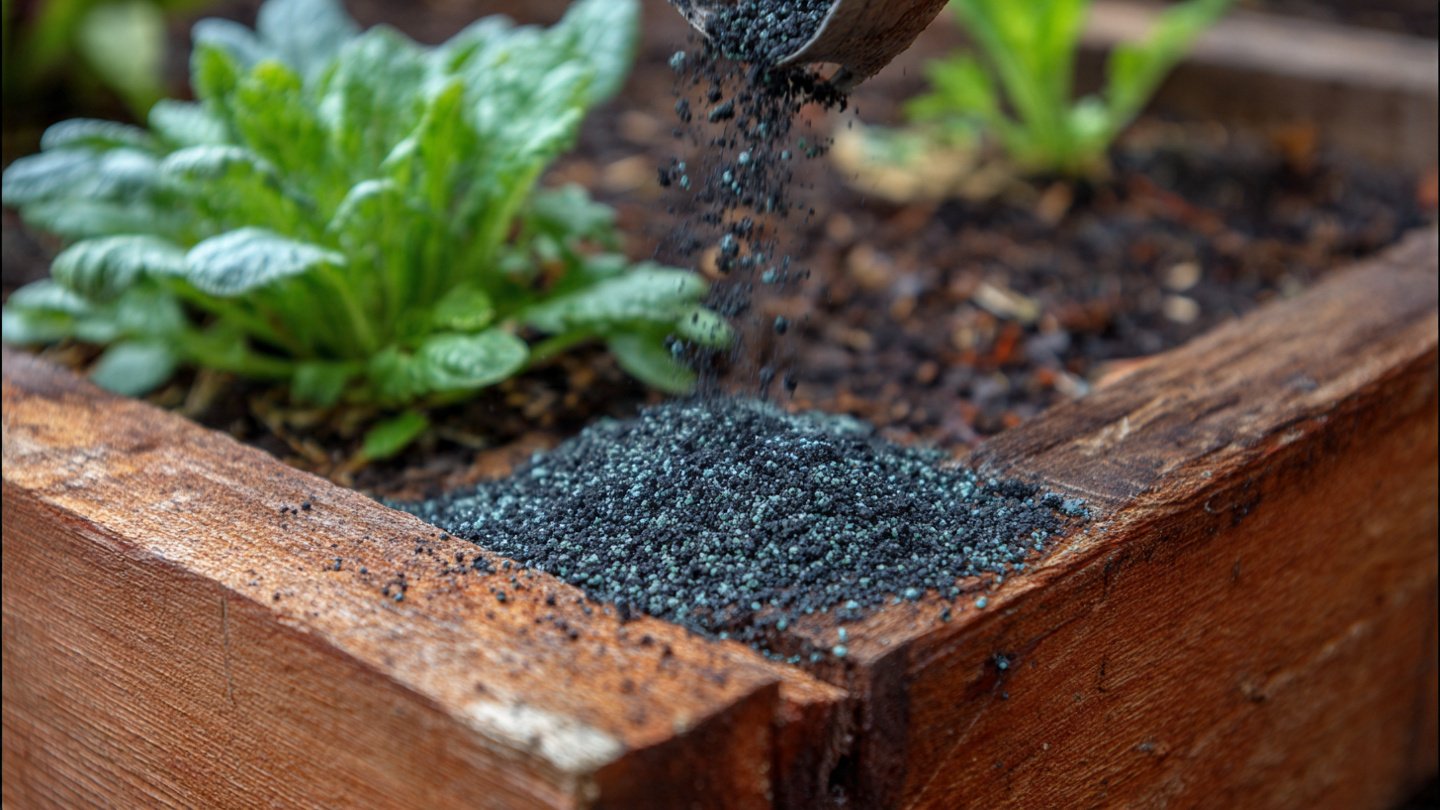

The art of gardening is as ancient as civilization itself, yet the techniques we use to foster plant growth are continually evolving. One such technique that has garnered attention in recent years is the addition of volcanic rock dust to raised garden beds. While this may seem like a niche practice, it reveals deeper truths about soil health, plant nutrition, and the interconnectedness of nature. This article delves into why integrating volcanic rock dust into your raised beds can significantly enhance plant growth and resilience.
Volcanic rock dust, derived from the weathering of volcanic rocks, is rich in minerals that are vital for plant health. Composed of finely ground volcanic materials, it serves as a natural supplement that can rejuvenate nutrient-depleted soils. This upwards trend towards organic and sustainable gardening practices has spotlighted volcanic rock dust as a natural amendment that aligns with eco-friendly methodologies.
One of the primary benefits of volcanic rock dust is its mineral content. Unlike conventional fertilizers that often contain a limited selection of nutrients, volcanic rock dust offers a broad spectrum of essential minerals. Notably, it contains key elements such as potassium, calcium, magnesium, and trace minerals like iron, zinc, and manganese. These minerals play crucial roles in plant development, aiding in everything from root formation to photosynthesis. When added to the soil, volcanic rock dust helps restore natural nutrient levels, promoting vigorous plant growth and improved yields.
Another significant advantage of volcanic rock dust is its ability to improve soil structure. Soil health is critical for optimal plant health, and many gardeners encounter challenges with compacted or poor-quality soil. Volcanic rock dust enhances soil aeration, water retention, and drainage. When integrated into raised beds, it contributes to a more balanced soil structure that supports healthy root development and encourages the proliferation of beneficial microorganisms. Healthy soil leads to thriving plants, as roots can access water and nutrients more efficiently.
Additionally, volcanic rock dust serves as a valuable resource for beneficial fungi and bacteria in the soil ecosystem. These microorganisms work symbiotically with plant roots, enhancing nutrient uptake and soil health. The presence of broad-spectrum minerals in volcanic rock dust fosters a vibrant microbial community that can help with plant resilience against diseases and pests. This natural balance within the soil ecosystem minimizes the need for chemical interventions, offering a more sustainable approach to gardening.
Another key aspect of using volcanic rock dust is its role as a slow-release fertilizer. Unlike synthetic fertilizers that provide instant nutrient spikes, volcanic rock dust releases its nutrients gradually over time. This feature is especially advantageous for raised beds, where nutrient leaching can occur more easily due to elevated soil levels. The slow release of minerals ensures consistent nutrient availability for plants, reducing the risk of nutrient burn often associated with synthetic fertilizers.
Moreover, volcanic rock dust can help mitigate the impact of soil acidity. Many gardens experience fluctuations in pH levels, which can affect nutrient availability and plant health. The alkaline nature of volcanic rock dust can assist in buffering soil pH, creating a more stable environment for plant growth. This is particularly beneficial for those growing acid-sensitive plants. A balanced pH level allows for improved nutrient absorption and overall plant vigor.
The environmental benefits of volcanic rock dust are also noteworthy. In a world increasingly focused on sustainability, utilizing volcanic rock dust aligns with ecological principles. It is a naturally occurring resource that requires minimal processing, reducing the carbon footprint associated with synthetic fertilizers. By opting for volcanic rock dust, gardeners can take steps towards reducing their reliance on chemical inputs and fostering a healthier ecosystem.
In addition to its numerous benefits for soil and plant health, volcanic rock dust is easy to use. It can be mixed directly into raised bed soil, applied as a top dressing, or blended into compost. Its versatility adds to its appeal as a practical solution for both novice and experienced gardeners. Additionally, the application rates are often forgiving, allowing gardeners to integrate it into their existing practices without the need for complex calculations or measurements.
An often-overlooked aspect of volcanic rock dust is its role in promoting biodiversity in the garden. By creating a healthy soil environment, gardeners can attract beneficial insects, such as pollinators and predatory beetles. These organisms contribute to a balanced ecosystem, reducing the reliance on chemical pesticides and helping control pest populations naturally. The inclusion of volcanic rock dust indirectly supports this biodiversity, fostering a garden that is not only productive but also ecologically diverse.
However, while the benefits of volcanic rock dust are significant, it’s essential to approach its use thoughtfully. As with any soil amendment, moderation is key. Overapplication can lead to an imbalance in soil nutrients, creating issues that could negate its benefits. It’s wise to conduct soil tests periodically to monitor nutrient levels and overall soil health, ensuring that volcanic rock dust is used as part of a comprehensive soil management plan.
For those looking to experiment with volcanic rock dust, starting small can be beneficial. Incorporating it into a single raised bed can provide insight into its effects without overwhelming your gardening practices. Observing how plants respond to this natural amendment can inform future applications and help you gauge its efficacy.
Incorporating volcanic rock dust into raised garden beds not only supports plant health but also enhances the overall gardening experience. The process of working with natural materials fosters a deeper connection to the earth and encourages a holistic understanding of gardening. Every handful of volcanic rock dust represents centuries of geological activity and natural processes, grounding your gardening efforts in ancient wisdom.
To maximize the benefits of volcanic rock dust, consider pairing it with other organic practices. Composting, crop rotation, and companion planting can complement the effects of volcanic rock dust, leading to a healthier garden ecosystem. Integrating various organic practices creates a resilient garden that is adaptable to changing conditions and capable of thriving under different circumstances.
Finally, the act of gardening is inherently tied to personal growth and well-being. Engaging with the soil, nurturing plants, and witnessing their development can be incredibly fulfilling. By using volcanic rock dust to enhance your raised beds, you’re not only ensuring the health and vitality of your plants but also enriching your own connection to the natural world. This interrelation between gardener and garden underscores the importance of sustainable practices in cultivating a thriving ecosystem.
In conclusion, adding volcanic rock dust to your raised beds offers a myriad of benefits that can lead to healthier plants and improved soil conditions. With its rich mineral content, natural slow-release capabilities, and environmental advantages, volcanic rock dust is a valuable asset for any gardener looking to promote sustainable growth. As you explore this natural amendment, remember that gardening is a journey rooted in exploration, experimentation, and a deep respect for the interconnected systems that sustain life. By embracing volcanic rock dust and its potential, you’ll be taking meaningful steps towards creating a thriving and resilient garden for years to come.