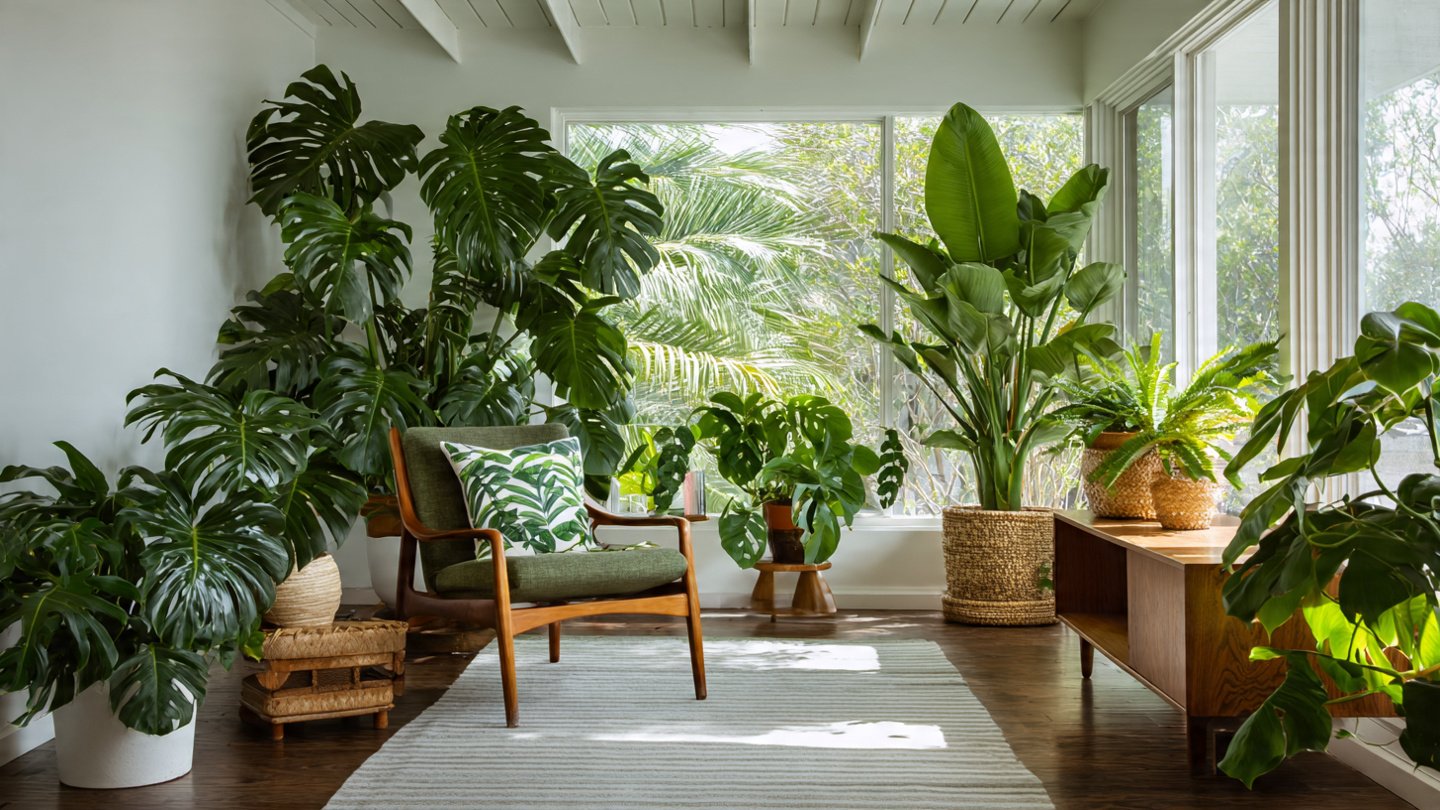

Mid-century modern decor, characterized by its clean lines, organic shapes, and integration with nature, offers a unique backdrop for incorporating foliage into your interior design. This style, which thrived from the 1940s to the 1960s, celebrates functional yet stylish living. The use of plants and greenery can enhance this aesthetic, bringing warmth and life to your space. In this article, we explore various strategies for elevating your mid-century modern decor using foliage.
The Harmony of Nature and Design
One of the main principles of mid-century modern design is the seamless integration of indoor and outdoor spaces. Foliage not only complements this ideal but also adds vibrancy and freshness. When selecting plants, consider options that resonate with the sleek lines and minimalist ethos of mid-century modernism.
Choosing the Right Plants
It’s essential to choose plants that align with the mid-century modern aesthetic. Some great choices include:
- Snake Plant: Known for its upright leaves and low maintenance, the snake plant adds a contemporary touch to any room.
- Fiddle Leaf Fig: This popular choice boasts large, glossy leaves that can become a stunning focal point.
- Rubber Plant: With its dark green leaves and upright growth, it complements the organic shapes typically found in mid-century furniture.
- Pothos: Trailing vines can soften the sharp lines of furniture and are excellent for adding layers to your decor.
Integrating Foliage into Your Decor
Once you’ve selected the right plants, it’s time to think about how to incorporate them into your home. Here are some ideas to get you started:
Strategic Placement
Think about the overall layout of your space. Place larger plants, like a fiddle leaf fig or rubber plant, in corners or near natural light sources. Use smaller plants in more intimate spaces, such as on side tables, bookshelves, or window sills. The goal is to create a well-balanced aesthetic.
Utilizing Planters That Complement Mid-Century Design
Choose planters that reflect the mid-century modern design ethos. Look for geometric shapes, organic forms, or natural materials like wood or ceramic. Options like simple, round pots or sleek, angular designs can enhance the plants’ overall impact. An iconic planter style is the hairpin leg style, which adds an industrial touch to natural elements.
Mixing Textures and Colors
Mid-century modern design thrives on contrasts and complementing colors. When incorporating foliage, consider the colors and textures of both the plants and the surrounding decor:
Texture Balance
Mix different textures by pairing smooth, glossy leaves with the rough surfaces of wooden furniture or textiles. For instance, a glossy snake plant can look stunning next to a woven basket or a rough-hewn wooden table.
Color Coordination
In terms of color, mid-century modern palettes often feature earthy tones, pastels, and bold colors. Choose plants that have complementary colors to these schemes; for example, a bright green pothos can juxtapose beautifully against a muted blue wall.
Creating Focal Points
Use foliage to create focal points in your decor. A cluster of elegantly arranged plants can draw the eye and serve as a conversation starter:
Arrangements and Groupings
Group plants in odd numbers for a more organic look. Use varying heights to create visual interest, placing taller plants in the back and shorter ones in front. This layering effect brings depth to your decor.
Artwork and Plants
Consider incorporating plants alongside artwork. When arranging art on the wall, balance it with a plant on the floor or a shelf. This not only draws the eye but also creates a cohesive flow throughout the room.
Seasonal Decor Changes
Foliage allows for versatility in mid-century modern decor. Change your plant arrangements with the seasons to keep your space feeling fresh:
In spring and summer, consider lighter, airier plants or flowering options to add vibrancy. During fall and winter, opting for richer textures and darker green tones can add warmth to your home.
Care and Maintenance
To keep your foliage looking its best, pay attention to proper plant care:
Watering and Light Needs
Ensure you research the specific light and watering requirements for each type of plant. Most mid-century modern plants thrive in indirect light, so positioning them appropriately is crucial.
Regular Maintenance
Regularly dust the leaves to keep them clean and healthy. Additionally, prune any dead or yellowing leaves to maintain a polished look.
Conclusion
Integrating foliage into mid-century modern decor can breathe new life into your space, creating a harmonious balance between nature and design. By choosing the right plants, strategically placing them, and incorporating various textures and colors, you elevate not just the aesthetic but also the atmosphere of your home. Whether you’re aiming for a minimalist look or a lush oasis, foliage serves as an essential tool in achieving your interior design goals. Remember, the key lies in the thoughtful curation of both plant and decor, resulting in a space that feels alive, inviting, and stylishly curated.
FAQs
1. What types of plants are best for mid-century modern decor?
Plants like the fiddle leaf fig, snake plant, rubber plant, and pothos are excellent choices as they align well with mid-century aesthetics.
2. How do I choose the right planter for my foliage?
Look for planters that feature geometric shapes or natural materials. Choose colors that complement your overall decor scheme.
3. How can I ensure my plants thrive in a mid-century modern space?
Research each plant’s specific light and watering needs, and position them in areas with adequate indirect sunlight.
4. Can I use faux plants in mid-century modern decor?
Yes! Well-designed faux plants can add greenery without the maintenance. Choose high-quality options that mimic real foliage.
5. How often should I change my plant arrangements?
Seasonal changes are a great time to refresh your decor, but you can update arrangements whenever you feel like a change is needed.