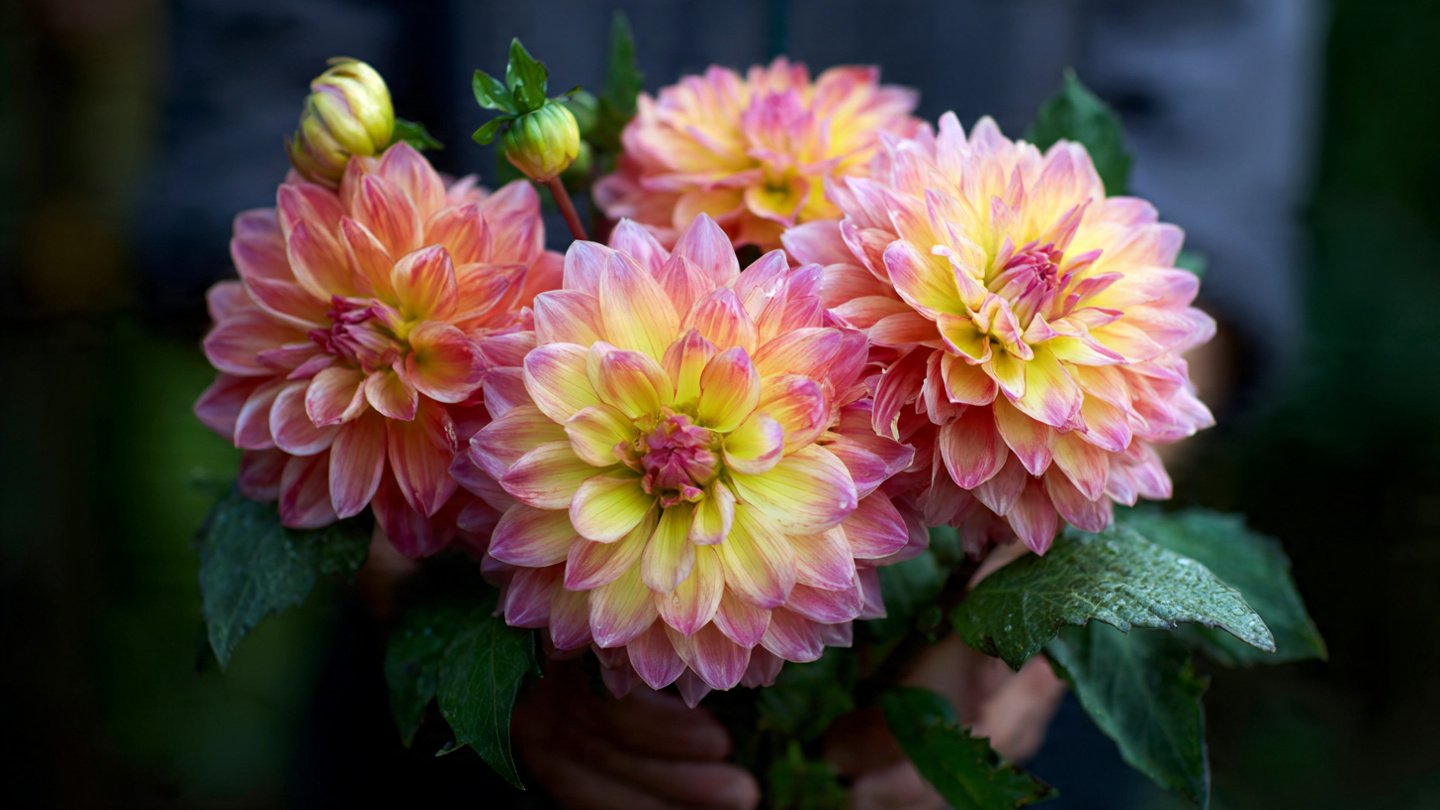

Dahlias are among the most beloved garden flowers, known for their vibrant colors, stunning forms, and formidable growing potential. While they may appear straightforward to cultivate, the process of transforming tiny tuber cuttings into large, breathtaking blooms involves more science and technique than many realize. This article will explore effective methods for developing giant dahlias from small tuber cuttings and provide you with the knowledge you need to create an enchanting dahlia garden.
Understanding Dahlias and Their Growth Habits
Dahlias are perennial tuberous plants belonging to the Asteraceae family. They are native to Mexico and come in various sizes and shapes, ranging from small pom-pom types to giant dinnerplate varieties. The flowers bloom in many colors, including reds, pinks, oranges, yellows, and whites. To transform tiny tuber cuttings into substantial and showstopping dahlias, it’s crucial to understand their growth habits.
The Life Cycle of Dahlias
Dahlias begin their life cycle as tubers. These tubers contain the necessary nutrients to fuel the plant’s initial growth. Once planted, they undergo a series of stages:
- Sprouting: With appropriate warmth and moisture, tubers start to sprout and develop shoots.
- Leaf Development: The foliage emerges, and the plant begins photosynthesis, which is vital for growth.
- Root Establishment: In this phase, dahlias establish a robust root system to support future growth.
- Flowering: The plant eventually produces flowers, which can vary drastically in size and shape depending on the variety.
Preparing Tiny Tuber Cuttings
When aiming to maximize the size of your dahlias, the initial step is selecting healthy tuber cuttings. Here are some essential tips:
1. Choose Healthy Tubers
It’s vital to select firm, healthy tubers with at least one eye (the point from which new growth will emerge). Discard any tubers that are soft or have signs of rot.
2. Divide the Tubers
To create multiple plants, carefully divide larger tubers into smaller pieces. Each piece should have at least one eye. Use a sterile knife to prevent the spread of infection.
3. Allow Cuttings to Heal
After cutting, let the tubers sit at room temperature for a few days. This allows the cut surfaces to heal and form a protective callous, reducing the risk of rot when planted.
Planting Techniques for Giant Dahlias
Once your tiny tuber cuttings are prepared, planting techniques greatly influence their growth potential. Consider the following strategies:
1. Soil Preparation
Dahlias thrive in well-draining, loamy soil rich in organic matter. Before planting, amend the soil with compost or well-rotted manure. This step enhances nutrient availability and improves soil structure.
2. Optimal Spacing
For airflow and resource competition reduction, space tubers about 24 to 36 inches apart. This gives each plant room to grow and ensures better access to sunlight and nutrients.
3. Depth of Planting
Plant the tubers about 6 to 8 inches deep, with the eye facing upward. Cover them lightly with soil, and water the area gently to help settle the soil.
Providing Optimal Conditions
To cultivate enormous dahlias, maintaining ideal growing conditions is crucial:
1. Watering Requirements
Dahlias need consistent moisture, especially during flowering. Water deeply but infrequently to encourage a deep root system. Early morning is the best time to water to reduce evaporation and allow the foliage to dry out by evening, reducing disease risk.
2. Fertilization
Invest in a balanced, slow-release fertilizer or a high-phosphorus formula to promote blooming. Apply fertilizer every four to six weeks during the growing season to support robust growth and flowering.
3. Sunlight Exposure
Ensure your dahlias receive at least 6 to 8 hours of full sun each day. The more sunlight they get, the more robust and vibrant the blooms will be.
Pest and Disease Management
Like any garden plant, dahlias are susceptible to certain pests and diseases. Proactive measures can help manage these threats:
1. Common Pests
Watch out for aphids, slugs, and spider mites. Regularly inspect your plants, and consider using organic insecticidal soap or introducing beneficial insects like ladybugs to control pest populations.
2. Disease Prevention
Ensure good air circulation and avoid overhead watering to prevent fungal diseases. If you notice signs of disease, promptly remove affected plant parts to prevent spread.
Encouraging Thick Stems and Large Blooms
The key to achieving giant dahlias lies in promoting thick stems and large blooms through strategic pruning and pinching:
1. Staking
As the plants begin to grow, stake them to support tall varieties. This encourages upright growth, preventing breakage and allowing larger blooms to develop unhindered.
2. Pinching Tips
Pinch back the plant tips after several sets of leaves have developed. This technique encourages branching and results in multiple flower heads, leading to a more substantial and vibrant display.
Harvesting and Enjoyment
Harvesting dahlias at the right time is essential for enjoying the vibrancy of your blooms:
1. Timing
Cut flowers when they are fully opened but before they start to wilt. This ensures the longest vase life and the most stunning display.
2. Storage
If you wish to keep your dahlias for future seasons, carefully lift the tubers after the first frost, dry them, and store them in a cool, dry place until the next planting season.
Conclusion
Transforming tiny tuber cuttings into magnificent dahlias is not just a hopeful dream—it’s an attainable goal with the right techniques and a little patience. By understanding the proper growing conditions, nurturing your plants with adequate nutrients, and managing pests effectively, you can cultivate a thriving dahlia garden that boasts giant, eye-catching blooms. With these strategies in hand, you’re well on your way to enchanting drifts of colorful dahlias that will become the pride of your garden.
FAQs
1. Can I grow dahlias in pots?
Yes! Dahlias can be successfully grown in containers, provided the pots are large enough (at least 12 to 14 inches in diameter) and have good drainage.
2. How often should I water my dahlias?
Dahlias prefer consistent moisture. Water them deeply once or twice a week, depending on rainfall and soil conditions.
3. What is the best time to plant dahlia tubers?
The best time to plant dahlia tubers is after the last frost date in your area, typically in late spring when the soil temperature is consistently above 60°F (15°C).
4. Should I deadhead my dahlias?
Yes, regularly deadheading spent flowers encourages new blooms and prolongs the flowering period.
5. Can dahlias survive winter?
Dahlias are not frost-hardy. In colder climates, lift the tubers in the fall and store them indoors in a cool, dry place over winter.