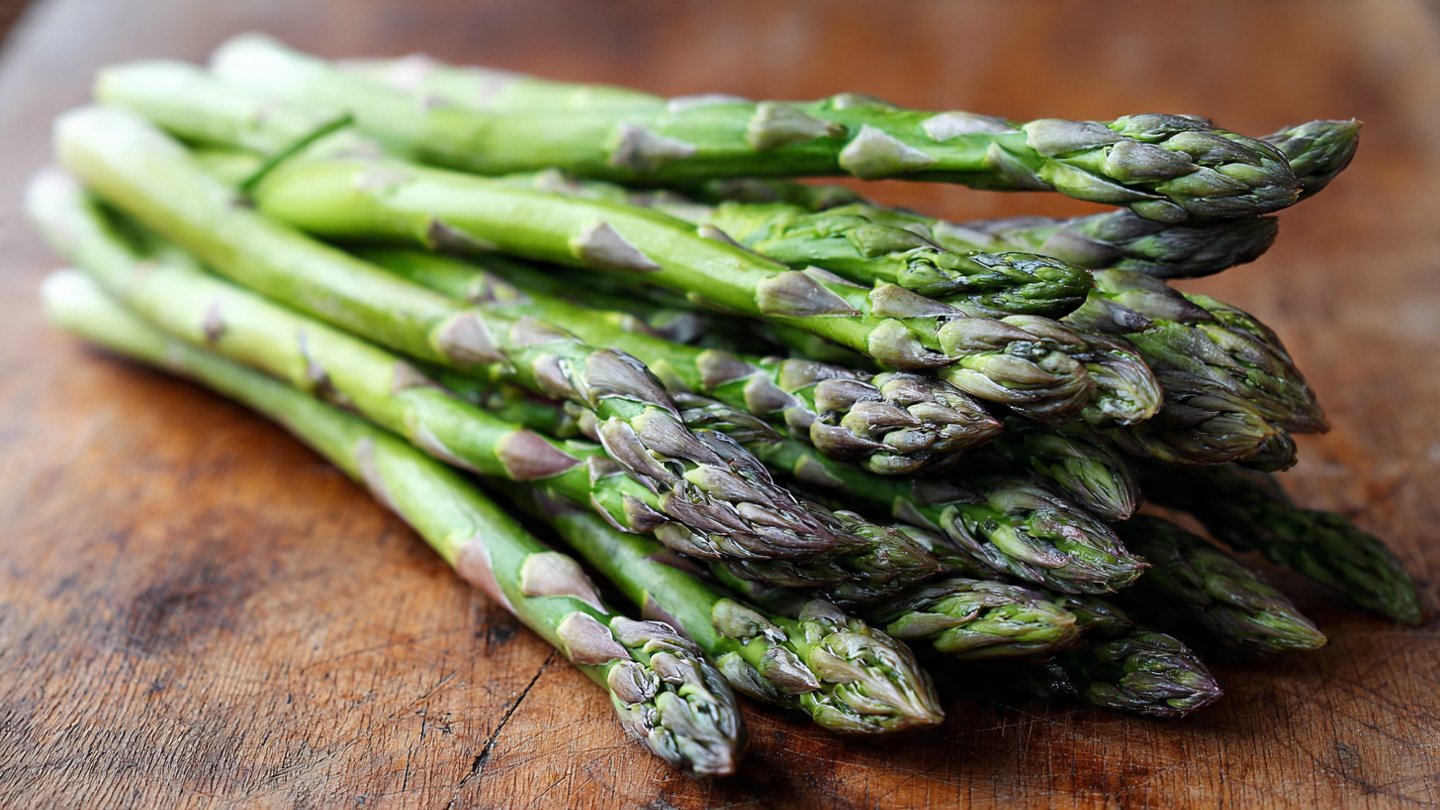

Asparagus is often hailed as a gourmet vegetable that not only enhances any dish but also offers numerous health benefits. The allure of giant asparagus, with its thick stalks capable of standing tall and looking majestic in any garden or on any plate, is something many gardeners aspire to achieve. But what’s the secret to growing this prized vegetable in a way that retains its tenderness for weeks? This comprehensive guide delves into key factors that ensure your asparagus grows giant and tender while also providing essential care tips.
Understanding Asparagus Growth
Asparagus (Asparagus officinalis) is a perennial vegetable, making it a long-term investment in your garden. It thrives in well-drained soil and requires a considerable amount of sunlight. Understanding its growth cycle is crucial to achieving the best results:
- Planting Time: Asparagus is usually planted in early spring, though some varieties can be planted in the fall.
- Growing Season: Once planted, asparagus grows from early spring until late summer, during which the spears emerge and grow tall.
- Harvesting: The first harvest typically occurs in the second or third year after planting.
Choosing the Right Variety
The secret to giant asparagus starts with choosing the right variety. Several types are available, and their growth characteristics can vary significantly. The following varieties are known for producing larger spears:
- Mary Washington: A popular heirloom variety that grows well and produces thick, tender spears.
- Jersey Giant: A hybrid cultivar known for its exceptional size and flavor, as well as high yield.
- Palmetto: Offers a robust growth pattern and can produce spears that remain tender for long periods.
Site Selection and Soil Preparation
Location is key to growing giant asparagus. Choose a site that gets at least 6-8 hours of sunlight daily. Here are some tips for soil preparation:
- Well-drained Soil: Asparagus roots are prone to rot in soggy soil. Aim for sandy loam or loamy soil with good drainage.
- Soil pH: Ideal pH levels should be between 7.0 and 8.0. Conduct a soil test to determine the pH and amend as necessary.
- Adding Organic Matter: Improve soil fertility and texture by incorporating compost or aged manure before planting.
Planting Techniques
When planting, it’s essential to space your asparagus crowns properly to allow for their sprawling nature. Below are recommended planting techniques:
- Depth: Plant crowns 6-8 inches deep with the buds facing upward.
- Spacing: Space crowns about 18-24 inches apart to ensure ample room for growth.
- Watering: Water immediately after planting to settle the soil around the roots.
Nurturing Growth
After planting, proper care is essential for nurturing your asparagus. Here’s how:
- Watering: Ensure deep and consistent watering, especially during dry spells. Aim for about 1 inch of water per week.
- Mulching: Apply a mulch layer to retain moisture, suppress weeds, and regulate soil temperature.
- Fertilization: Use a balanced fertilizer once in early spring and periodically throughout the growing season to promote healthy growth.
Controlling Pests and Diseases
Vigilance against pests and diseases is crucial in maintaining the health of your asparagus plants. Common pests include:
- Asparagus Beetles: These can damage spears. Hand-picking them off or applying insecticidal soap can help.
- Crown Rot: To prevent this, ensure good drainage and do not overwater.
Timing Your Harvest
Knowing when to harvest is vital for achieving the best taste and tenderness. The optimal time is when spears are between 6-10 inches tall. Here are some tips:
- Harvesting Method: Gently snap the spears at the base. This allows for minimal damage to the plant.
- Harvest Period: Only harvest spears for about 6-8 weeks in the second and third growing seasons to allow the plant to store energy for future growth.
- Aging Tips: After the first couple of harvests, let the remaining spears mature into ferns, as they will aid in energy storage for next year’s growth.
Maintaining Tenderness
To ensure that your giant asparagus remains tender for weeks, consider these care tips:
- Optimal Harvest Time: Harvest in the early morning when temperatures are cooler, and the spears are full of moisture.
- Immediate Cooling: Once harvested, refrigerate the asparagus quickly. Treat it like flowers: place the stems in water until you can refrigerate them.
- Store in Moist Conditions: Wrap the asparagus in damp paper towels and seal it in a plastic bag to retain moisture during storage.
Conclusion
Growing giant asparagus that remains tender for weeks is a truly achievable goal for any gardener willing to invest time and effort. Through careful selection of variety, suitable planting conditions, and diligent care, you can cultivate this gourmet vegetable with ease. Remember that patience is key; asparagus is a long-term project that provides immense rewards. By following the outlined guidelines, you’ll not only enjoy a bountiful harvest of giant, tender spears but also take pride in your green thumb as your garden flourishes!
FAQs
1. How long does it take for asparagus to grow?
Asparagus usually takes 2-3 years to start producing a significant harvest after planting. Early harvest can occur in the second year, but it’s essential to let the plant establish itself fully.
2. Can asparagus be grown in containers?
Yes, asparagus can be grown in pots or raised beds. Ensure that the container is deep (at least 18 inches) to accommodate the roots.
3. How long can I harvest asparagus each year?
Typically, you can harvest asparagus for 6-8 weeks during the spring once the plants are mature enough. After that, it’s best to let the spears fern out to store energy for the following years.
4. What should I do if my asparagus is too thin?
Thin asparagus can be a result of overcrowding, poor soil, or insufficient nutrients. Ensure proper spacing, improve soil health, and consider fertilizing to encourage thicker growth.
5. Why are my asparagus spears woody?
Woody spears can result from harvesting them too late or from plants that are not properly cared for. Leave the spears to grow and mature in their fern stage to build energy reserves.