
Introduction
As homeowners seek to create beautiful and sustainable outdoor spaces, the debate over the traditional grass lawn versus the vibrant world of wildflowers has intensified. While manicured lawns have long been the go-to choice for gardens, wildflowers are gaining recognition for their numerous benefits. This article will explore why wildflowers are a better choice than grass lawns for your garden, examining environmental impacts, maintenance requirements, and aesthetic appeal.
Environmental Benefits
One of the most compelling reasons to choose wildflowers over grass is the positive environmental impact they offer. Traditional grass lawns require significant resources to maintain, including water, fertilizers, and pesticides.
Water Conservation
Grass lawns consume a considerable amount of water, particularly in hotter regions. In contrast, many wildflowers are native plants that have adapted to local climates, often requiring less water once established. This not only conserves water but also helps reduce your water bill.
Biodiversity
Wildflowers promote biodiversity by attracting a variety of pollinators, including bees, butterflies, and other beneficial insects. Grass lawns, on the other hand, offer little to no food or habitat for these essential species. By cultivating wildflowers, you contribute to the health of local ecosystems and support the intricate food webs that sustain them.
Soil Health
Wildflowers help improve soil health by preventing erosion, enhancing soil structure, and enriching the soil with nutrients as they grow and die back. Grass lawns, particularly when treated with chemicals, can degrade soil health over time. Wildflowers, especially native species, naturally enrich the soil without the need for synthetic fertilizers.
Maintenance and Care
Another significant advantage of wildflowers over grass lawns is the reduced maintenance they require.
Less Mowing
Grass lawns typically require regular mowing to maintain an aesthetically pleasing appearance. This can be time-consuming and requires fuel for lawn mowers, contributing to greenhouse gas emissions. In contrast, wildflowers can be left to grow naturally, with many reaching their peak beauty without the need for frequent trimming.
Reduced Chemical Use
Maintaining grass lawns often involves the application of herbicides, pesticides, and fertilizers, which can have harmful effects on the environment. Wildflowers, particularly native species, thrive without such interventions, leading to healthier soil and water systems. By opting for wildflowers, homeowners can actively reduce their chemical footprint.
Seasonal Variation
Wildflower gardens offer a dynamic aesthetic that changes with the seasons. While grass lawns can appear monotonous and dull after the summer months, wildflowers such as daisies, coneflowers, and black-eyed Susans bloom at varying times throughout the growing season. This variation not only adds visual interest but also supports pollinator species year-round.
Aesthetic Appeal
The beauty of a garden is often defined by its colors, textures, and shapes. Wildflowers provide a diverse and vibrant palette that greatly surpasses the uniformity of grass lawns.
Color and Texture
Wildflowers come in a wide variety of colors, shapes, and sizes, allowing homeowners to create unique and visually striking landscapes. Whether you prefer the vibrant hues of poppies or the delicate petals of lupines, wildflowers provide endless opportunities for creative expression.
Natural Beauty
Wildflower gardens evoke a sense of natural beauty that often resonates more deeply than the perfectly manicured grass lawn. They can create a serene and peaceful environment, attracting birds and butterflies and encouraging a closer connection with nature.
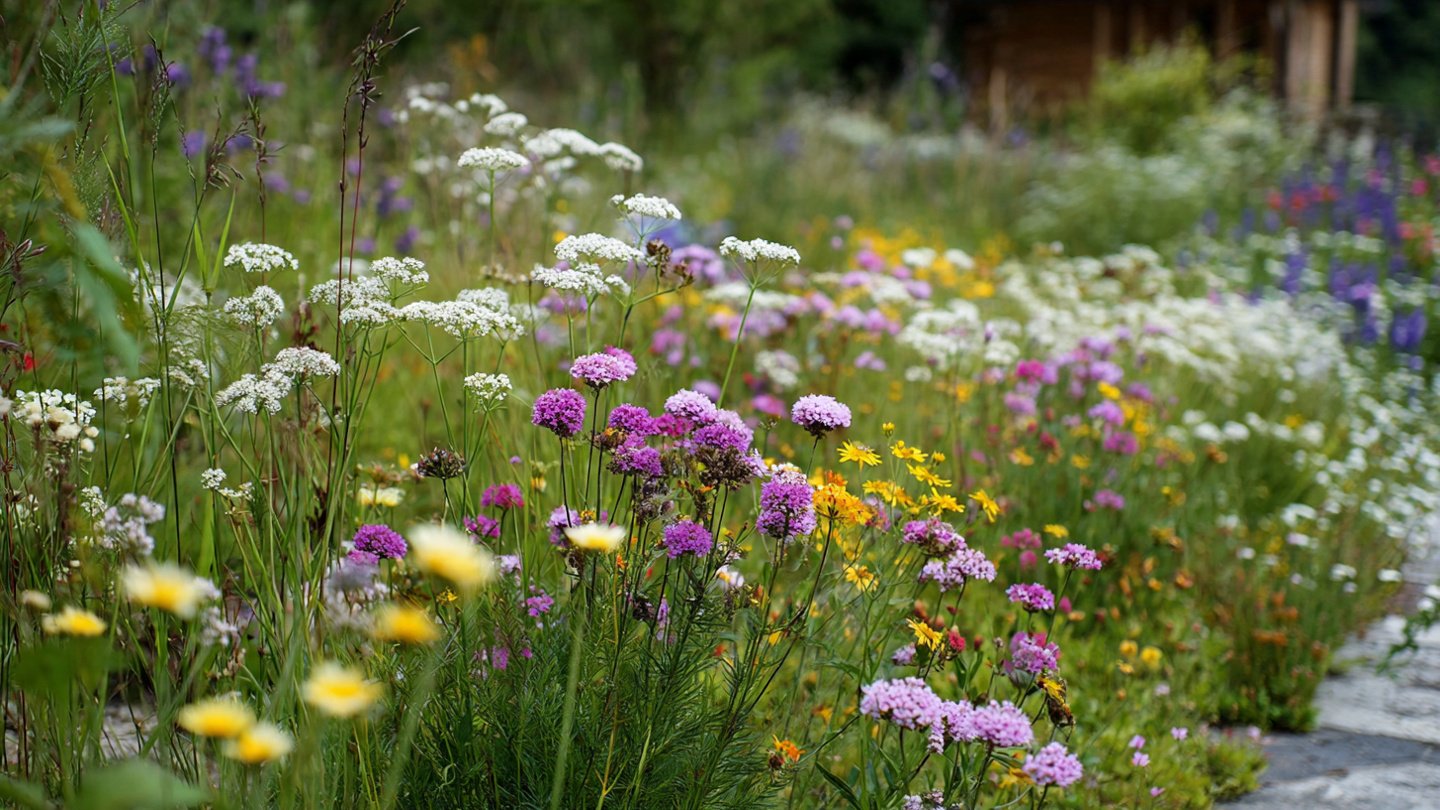
Wildflower Meadow
Creating a wildflower meadow can transform a flat, bland space into a thriving landscape that constantly evolves with the seasons. The gentle sway of wildflowers in the wind and the vibrant life they attract bring a sense of tranquility that is hard to replicate with a traditional lawn.
Wildflowers and Wildlife
By selecting wildflowers for your garden, you’re also taking a stand for wildlife conservation.
Pollination and Ecosystem Support
Wildflowers are essential for pollinators, many of which are in decline due to habitat loss and pesticide use. By planting wildflowers, you provide a critical food source for these insects and support the overall health of local ecosystems.
Attracting Beneficial Insects
In addition to attracting pollinators, wildflower gardens can draw in beneficial insects that help control pests. Ladybugs, lacewings, and predatory wasps are more likely to thrive in an environment rich in diverse plant life, naturally reducing pest populations without the need for chemicals.
Choosing the Right Wildflowers
If you are convinced that wildflowers are the way to go, the next step is selecting the right varieties for your garden.
Native vs. Non-Native Species
When choosing wildflowers, it’s important to consider native plants that are well-suited to your local climate, soil type, and wildlife. Native species require less care, can thrive in local conditions, and are more beneficial to local pollinators and wildlife.
Planning Your Garden
Start by selecting a variety of wildflowers that bloom at different times to ensure continuous color throughout the growing season. Incorporate a mix of perennials and annuals for a dynamic garden that evolves over time.
Local Resources
Many local extension services, nurseries, and conservation organizations can provide guidance on selecting appropriate wildflower species for your area. They often offer native plant sales and educational workshops on how to create and maintain wildflower gardens.
Conclusion
In conclusion, wildflowers offer a multitude of benefits that make them a better choice than traditional grass lawns for your garden. From environmental advantages such as increased biodiversity and improved soil health to reduced maintenance and enhanced aesthetic appeal, wildflowers provide a sustainable and beautiful alternative. By making the switch, not only do you create a stunning visual landscape, but you also contribute to the health of your local ecosystem and help support vital pollinators.
FAQs
1. How do wildflowers differ from grass in terms of maintenance?
Wildflowers typically require less mowing, fewer chemical treatments, and less water compared to grass lawns, making them more sustainable and easier to care for in the long run.
2. Will wildflowers attract pests to my garden?
While wildflowers attract beneficial insects that help control pests, they can also attract some pest species. However, the presence of natural predators can help manage pest populations effectively.
3. How can I create a wildflower garden?
To create a wildflower garden, start by choosing native species suitable for your area, prepare the soil, and sow the seeds. Regular maintenance includes weeding and possibly light mowing to encourage healthy growth.
4. Can I mix wildflowers with other plants?
Yes, mixing wildflowers with other native plants can create a more diverse and beautiful landscape. Just ensure that the plants chosen are compatible in terms of sunlight and water requirements.
5. Are wildflowers suitable for all climates?
There are wildflower species that cater to various climates. It is crucial to research and select species native to or well-adapted to your local environment for the best results.
This HTML structure includes sections discussing the advantages of wildflowers over grass lawns, practical care tips, and concludes with a FAQs section for further clarity.