
Introduction
For frequent travelers, maintaining a lush indoor garden can be a daunting task. Between work, trips, and various other commitments, it can be difficult to ensure that houseplants receive the care they need. Luckily, several plants are well-suited to low-maintenance lifestyles, thriving even without regular attention. In this article, we will explore the best low-maintenance plants for frequent travelers, detailing their care requirements, benefits, and unique characteristics.
The Importance of Choosing the Right Plants
Choosing the right plants is crucial for those who are often away from home. Low-maintenance plants require minimal watering, minimal light, and can survive for extended periods without care. By selecting hardy plants that adapt to a range of environments, travelers can enjoy the aesthetic benefits of greenery without the stress of constant upkeep.
Top Low Maintenance Plants
1. Snake Plant (Sansevieria)
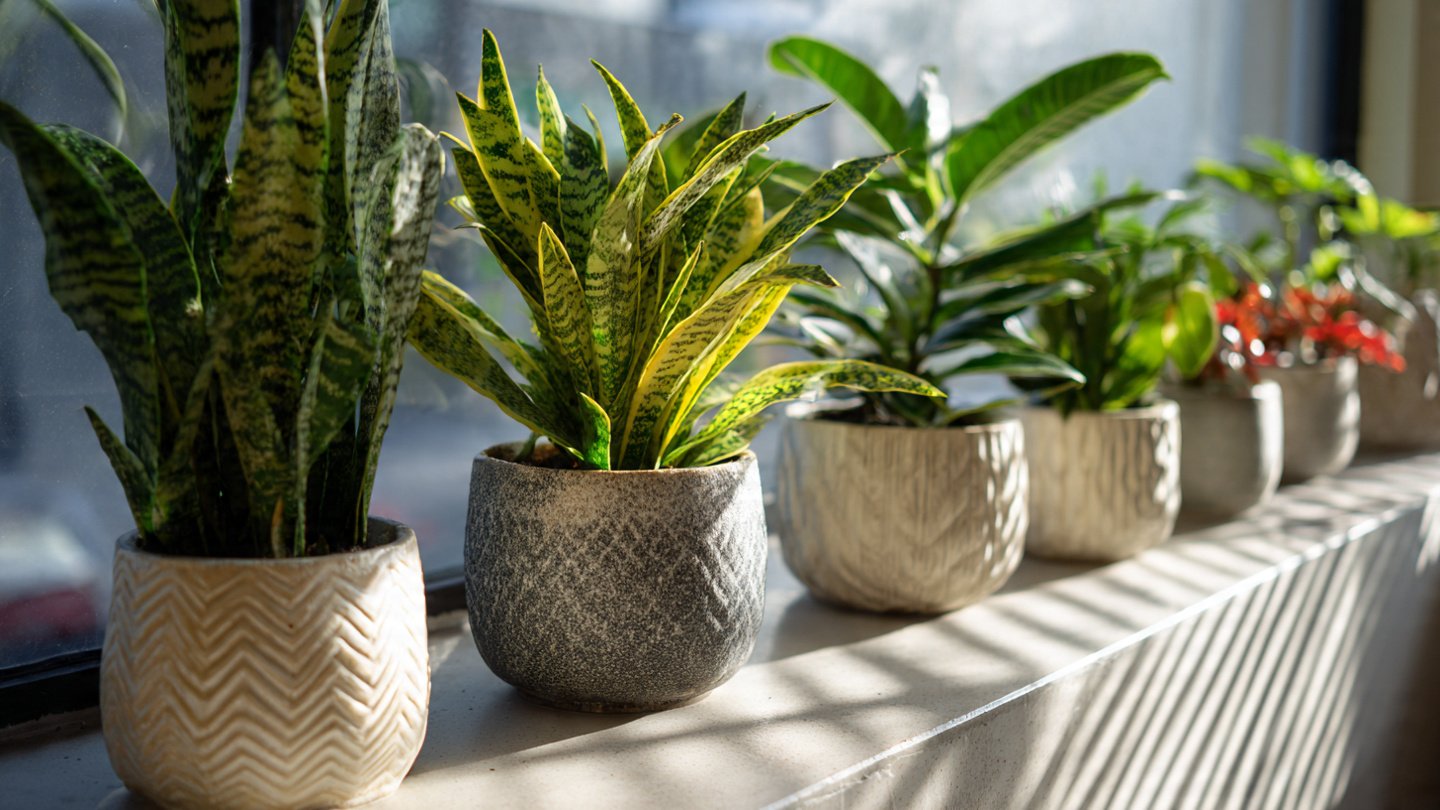
The snake plant is a popular choice for busy individuals. Known for its striking upright leaves, it can tolerate low light and irregular watering. The plant absorbs toxins from the air and releases oxygen, making it an excellent choice for indoor spaces. Snake plants require watering every few weeks, making them ideal for those who travel frequently.
2. ZZ Plant (Zamioculcas zamiifolia)
The ZZ plant is virtually indestructible. With its glossy, dark green leaves, it thrives in low light and can survive in a wide range of temperature conditions. It requires infrequent watering—typically once every few weeks, allowing travelers to leave it unattended for extended periods.
3. Pothos (Epipremnum aureum)
Pothos, also known as devil’s ivy, is a trailing plant that can thrive in various lighting conditions, from low light to bright, indirect sunlight. It’s forgiving if you forget to water it occasionally and can tolerate humidity levels well. Pothos only needs water when the soil is dry, meaning it’s perfect for travelers.
4. Spider Plant (Chlorophytum comosum)
The spider plant is an adaptable and resilient option for those frequently on the move. It produces offshoots, or “pups,” which can be propagated easily. Spider plants prefer bright, indirect light but can also tolerate lower light conditions. They require watering when the top inch of soil is dry, making them suitable for those who may forget to water regularly.
5. Aloe Vera
Aloe Vera is not only a low-maintenance succulent but also has medicinal properties. It thrives in bright light and requires watering only when the soil is completely dry. The plant can go weeks without water, making it an excellent choice for the busy traveler. Additionally, the gel within the leaves can soothe minor burns and cuts.
6. Peace Lily (Spathiphyllum)
The peace lily is another fantastic low-maintenance option known for its stunning white flowers. It thrives in low-light environments and needs watering only when the soil is dry. Apart from its visual appeal, it also purifies the air by removing toxins. However, be aware that peace lilies are mildly toxic to pets, so keep them out of reach if you have curious animals at home.
7. Rubber Plant (Ficus elastica)
The rubber plant is a resilient houseplant that can grow quite large, adding a bold presence to your home. It prefers bright, indirect sunlight but can adapt to lower light levels. Rubber plants need watering when the soil is dry to the touch, which typically means they can go a week or two without attention, making them perfect for those who frequently travel.
Tips for Caring for Low Maintenance Plants
While these plants are low-maintenance, there are a few essential care tips to keep in mind:
- Proper Potting: Use pots with good drainage to prevent overwatering, which can lead to root rot.
- Location Matters: Place plants in suitable lighting conditions. While many of these plants are adaptable, finding the right spot can enhance their growth.
- Soil Type: Use a well-draining potting mix to ensure your plants thrive.
- Occasional Feeding: Consider using a balanced fertilizer during the growing season to promote healthy growth.
Conclusion
Owning houseplants while managing a busy travel schedule is entirely feasible with the right choices. Selecting low-maintenance plants like the snake plant, ZZ plant, and pothos can greatly reduce the effort required to keep your home green and inviting. These hardy plants not only beautify your living space but also contribute positively to indoor air quality. By implementing a few simple care practices, you can enjoy the benefits of houseplants without the worry of frequent maintenance.
FAQs
1. How often should I water low-maintenance plants?
Typically, low-maintenance plants can be watered every 1-3 weeks, depending on light conditions and climate. Always check the top inch of soil; if it feels dry, it’s time to water.
2. Can I leave these plants unattended for a month?
Many low-maintenance plants, such as snake plants and ZZ plants, can survive without water for weeks. However, it’s best to arrange for someone to check on them, especially if you’re away for extended periods.
3. Are these plants safe for pets?
Most of these plants are safe for pets, but it’s important to note that peace lilies and pothos can be toxic to cats and dogs. Always research plant toxicity if you have pets at home.
4. Do low-maintenance plants still need light?
Yes, even low-maintenance plants need some light to thrive. Most of these plants do well in indirect sunlight; however, they can adapt to lower light conditions, allowing for flexibility in placement.
5. What should I do if my plant’s leaves start to yellow?
Yellowing leaves can indicate a few issues, including overwatering, inadequate light, or pest problems. Check the soil moisture and lighting conditions, and inspect the plant for pests to troubleshoot the issue.