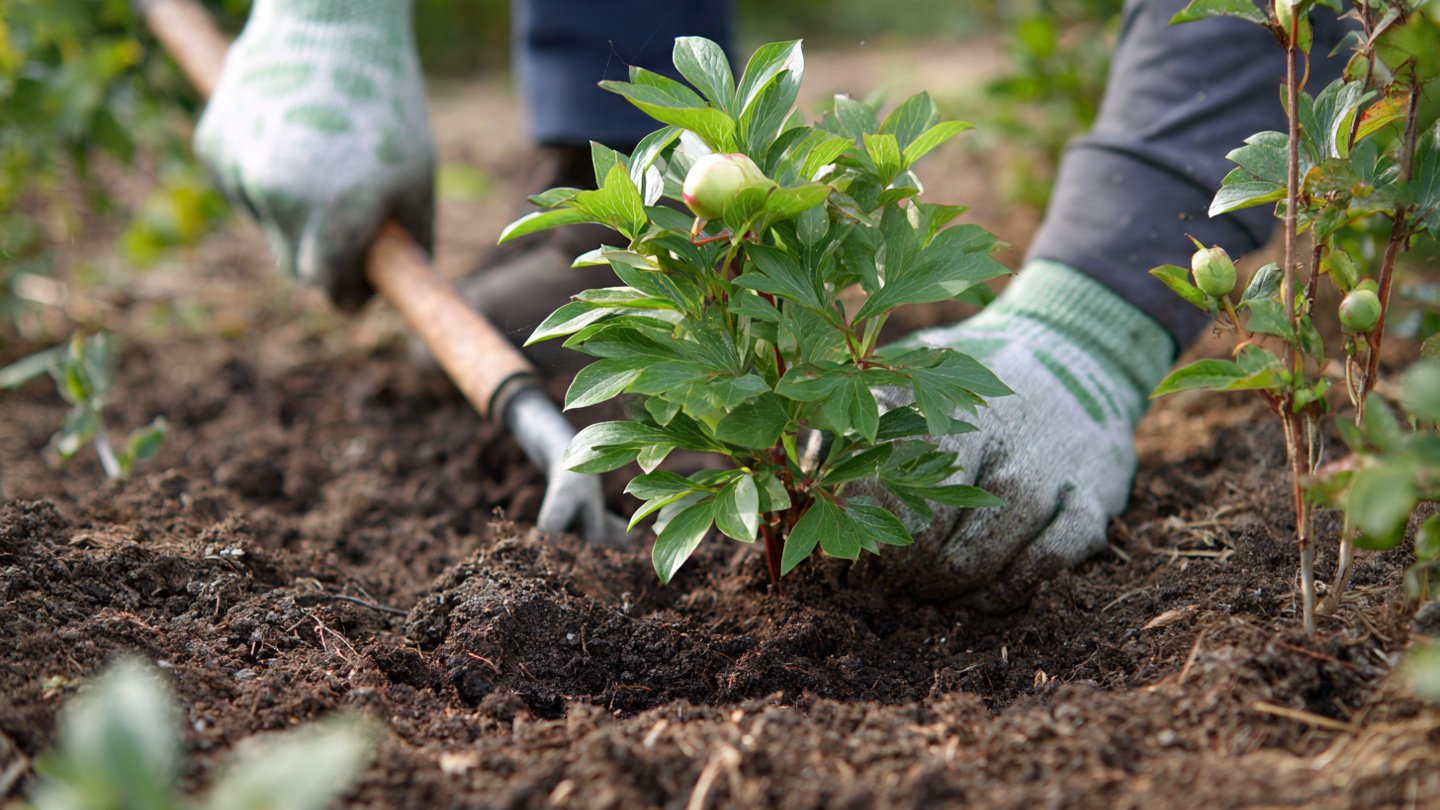

Peonies are beloved perennial flowers known for their vibrant blooms, delightful fragrances, and longevity. They can thrive for decades with minimal care, making them a popular choice for gardeners. However, before you rush into planting these beautiful flowers in spring, there are several critical factors to consider to ensure a successful garden and healthy plants. This article will guide you through the essential considerations before planting peonies, ensuring your efforts will lead to a flourishing flower bed.
1. Choosing the Right Variety
Peonies come in several varieties, primarily classified into three main categories: herbaceous, tree, and intersectional peonies. Each type offers unique characteristics:
- Herbaceous Peonies: These are the most common type. They die back to the ground each year and regrow in the spring, providing a diverse range of colors and forms.
- Tree Peonies: These have woody stems that remain year-round and often produce larger blooms, but they are also more expensive and require careful placement.
- Intersectional Peonies: A hybrid between tree and herbaceous types, these peonies combine the best traits of both. They are hardy, have sturdy stems, and bloom profusely.
2. Selecting the Right Location
Peonies thrive best in specific environmental conditions. Here are some tips for selecting the right location:
- Sunlight: Peonies require full sun for at least six hours daily. A south-facing garden can help produce abundant blooms.
- Soil Type: Well-draining soil is crucial. Peonies prefer loamy soil with plenty of organic matter. Avoid heavy clay or soggy conditions that can rot the roots.
- Air Circulation: Planting in an area with good air circulation can reduce the chances of diseases, particularly fungal infections.
3. Soil Preparation
Before planting, appropriately prepare your soil to ensure the best conditions for peonies to thrive:
- Testing Soil pH: Peonies prefer a slightly acidic to neutral pH (6.0-7.0). Testing kits are available at nurseries.
- Improving Soil Quality: Amend the soil with compost or well-rotted manure to improve drainage and nutrient content.
- Tilling the Soil: Break up compact soil to promote root growth and drainage before planting.
4. Planting Techniques
The right planting technique is vital for the growth and health of your peonies:
- Timing: Although spring is the prime time for planting, wait until the ground is workable and all frost risks have passed.
- Depth: When planting, ensure that the eyes (buds) of the tubers are about 1-2 inches below the surface. If planted too deep, they may not bloom.
- Spacing: Allow sufficient space between peonies, typically 3-4 feet apart, to promote airflow and growth.
5. Watering and Fertilization
Understanding how to water and fertilize peonies is essential for their development:
- Watering: During the first year, regularly water peonies to establish their roots. After that, they’re relatively drought-resistant.
- Fertilization: Use a balanced fertilizer in early spring and consider adding an organic mulch like straw or shredded leaves to retain moisture and suppress weeds.
6. Pest and Disease Management
Being proactive about potential pests and diseases will protect your peonies:
- Pests: Watch for pests like aphids and ants. Beneficial insects, such as ladybugs, can help control aphid populations.
- Diseases: Common issues include Botrytis blight and powdery mildew. Ensure proper air circulation and avoid overhead watering to minimize these problems.
7. Mulching and Maintenance
Proper maintenance is key to long-lasting peonies:
- Mulching: Adding mulch helps retain moisture, control weeds, and stabilize soil temperature.
- Deadheading: Removing spent blooms encourages more blossoms and prevents seed formation, which can distract energy from next year’s growth.
- Cutting Back: After the first frost in the fall, cut back herbaceous peonies to ground level to prevent diseases and promote healthy growth for the next season.
8. Climate Considerations
Ensure that your climate is suitable for peonies. Generally, they thrive in USDA Hardiness Zones 3 to 8. Understand your local climate:
- Winter Chill: Peonies require a cold dormancy period to support blooming, so warmer climates may not provide adequate chill hours.
- Heat Stress: If you live in hotter regions, consider planting peonies in locations with afternoon shade to prevent wilting.
Conclusion
Planting peonies in spring can be a rewarding endeavor if approached with careful consideration. By selecting the right variety, choosing an appropriate location, and preparing your soil correctly, you set a solid foundation for vibrant blooms. Regular maintenance, including watering, fertilizing, and pest management, is essential for keeping your peonies healthy and beautiful. With patience and care, your spring-planted peonies can thrive, providing lasting beauty in your garden for many years to come.
FAQs
Q: How long does it take for peonies to bloom after planting?
A: Peonies typically take 2-3 years after planting to produce significant blooms, as they need time to establish their root systems.
Q: Can I move established peony plants?
A: Yes, but it’s best to move them in the fall after they have gone dormant. Make sure to transplant with care to minimize root disturbance.
Q: Do peonies require a lot of water?
A: Peonies prefer moderate watering during their first year to establish roots. Mature plants are relatively drought-tolerant.
Q: What should I do if my peonies don’t bloom?
A: If peonies are not blooming, check the planting depth, soil quality, and sun exposure. They may also need more time to mature.
Q: Are peonies deer-resistant?
A: Peonies are generally considered deer-resistant due to their fragrance and taste, but hungry deer may still nibble on them during food shortages.