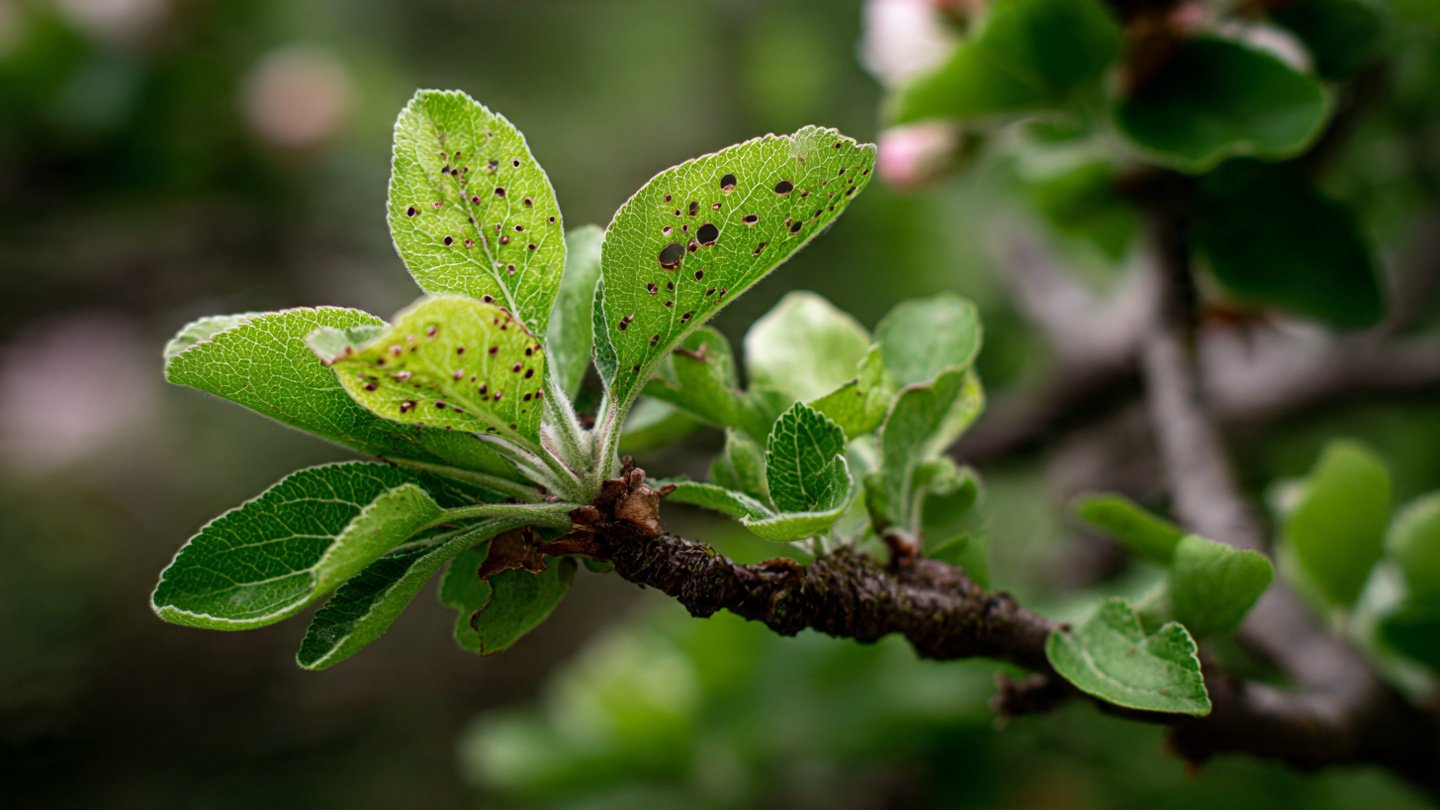

Why Does Your Apple Tree Develop Holes in Its Leaves Each Spring?
Apple trees are cherished by gardeners and fruit enthusiasts alike for their beauty and the delicious fruits they produce. However, many apple tree owners notice an alarming phenomenon each spring: holes appearing in the leaves. This issue can be distressing, impacting not only the aesthetic value of the tree but also its overall health and productivity. Understanding the reasons behind these pesky holes is vital for effective management and ensuring a bountiful harvest.
1. Understanding Leaf Holes
Before diving into specific causes, it’s essential to understand what we mean by “holes” in leaves. These can range from small punctures to larger irregular masses removed from the foliage. The type and size of the holes can give clues about the underlying cause, which may vary from environmental factors to pest infestations and disease.
2. Potential Causes of Holes in Apple Tree Leaves
A. Insect Damage
1. Leafcutter Bees
One common culprits for holes in apple tree leaves are leafcutter bees. These native bees use their powerful jaws to cut circular pieces of leaves, which they then use to construct their nests. While these bees are not harmful to the tree itself and are essential pollinators, their activity can create noticeable holes.
2. Caterpillars
Another significant threat comes from various caterpillars, such as those from the Codling Moth or tent caterpillars. These larvae feed vigorously on the leaves, often leaving large holes and defoliation in their wake. Monitoring for these pests in early spring can help in their identification and control.
3. Spider Mites
Spider mites, although tiny, can cause considerable damage. They suck the sap out of leaves, which can lead to stippling and small holes or discolored patches. These pests thrive in dry conditions, and infestations can quickly spread if left unchecked.
4. Sawfly Larvae
Certain sawflies, particularly the apple sawfly, target apple trees, feeding on tender leaves. They can create significant defoliation as they consume whole sections of the foliage.
B. Fungal Infections
1. Leaf Spot Diseases
Fungal infections are a common issue for apple trees. Diseases such as apple scab or powdery mildew can affect leaves, leading to holes and spots. These diseases thrive in humid conditions and can spread rapidly, affecting the tree’s photosynthesis and overall health.
2. Rust Diseases
Rust fungi, like cedar-apple rust, can also lead to leaf deformation and hole formation. The life cycle of these fungi often involves two different host types, which can complicate management strategies.
C. Environmental Factors
1. Weather Conditions
Extreme weather conditions can contribute to the appearance of holes in leaves. High winds can cause physical damage, and hail can create direct perforations. Additionally, fluctuations in temperature can weaken leaf structures, making them more susceptible to other damages.
2. Nutrient Deficiencies
Deficiencies in essential nutrients such as potassium or calcium can lead to weakened leaf tissue, making them more vulnerable to both pests and environmental stressors. This condition can manifest as holes or discoloration.
3. Identification: Inspecting the Tree
To effectively address leaf hole problems in apple trees, proper identification is crucial. Here are some steps for inspection:
- Visual Examination: Begin by thoroughly inspecting the leaves for various symptoms like holes, discoloration, or webbing (indicative of spider mites).
- Check for Pests: Look closely at the undersides of leaves and the branches for pests, their eggs, or damage.
- Evaluate Environmental Conditions: Consider recent weather patterns, soil health, and any recent treatments applied to the tree.
4. Management and Prevention
Once the underlying cause of the leaf holes is determined, appropriate management strategies can be employed.
A. Pest Control
- Natural Predators: Encourage beneficial insects like ladybugs or lacewings that prey on harmful pests.
- Insecticidal Soaps: For softer-bodied insects like spider mites, use insecticidal soaps or neem oil, which can be effective and less harmful to beneficial species.
B. Cultural Practices
- Proper Watering: Ensure the tree is well-watered, especially during dry spells, to reduce stress and fortify leaf structure.
- Fertilization: Conduct a soil test to determine nutrient deficiencies and apply the required fertilizers to promote healthy leaf growth.
C. Fungal Disease Management
- Fungicides: Use fungicide treatments as recommended for specific diseases, applying them early in the season before symptoms are severe.
- Sanitation: Clean up fallen leaves and removed any infected plant material to reduce the spread of fungal spores.
D. Pruning and Maintenance
Regular pruning can improve air circulation and sunlight penetration, reducing humidity levels around the tree and minimizing the risk of fungal infections.
5. When to Seek Professional Help
If the pest or disease issue becomes severe or complicated, consider contacting a certified arborist or tree care expert. They can provide diagnostic services and recommend specific treatments tailored to your tree’s needs.
Conclusion
Holes in your apple tree’s leaves each spring might seem alarming, but with proper understanding and management, they can often be addressed effectively. Regular monitoring, identification of the specific causes, and implementing the appropriate management strategies are vital for maintaining a healthy and productive apple tree. By fostering an environment conducive to the wellbeing of the tree and utilizing integrated pest management strategies, you can enjoy a flourishing apple tree and a bountiful harvest for years to come.
By offering suitable environmental conditions and timely interventions, apple tree owners can work towards minimizing damage caused by pests and diseases, ensuring that their trees remain both beautiful and fruitful. Remember, a well-cared-for apple tree not only provides delicious fruit but also enhances the beauty and biodiversity of your garden.