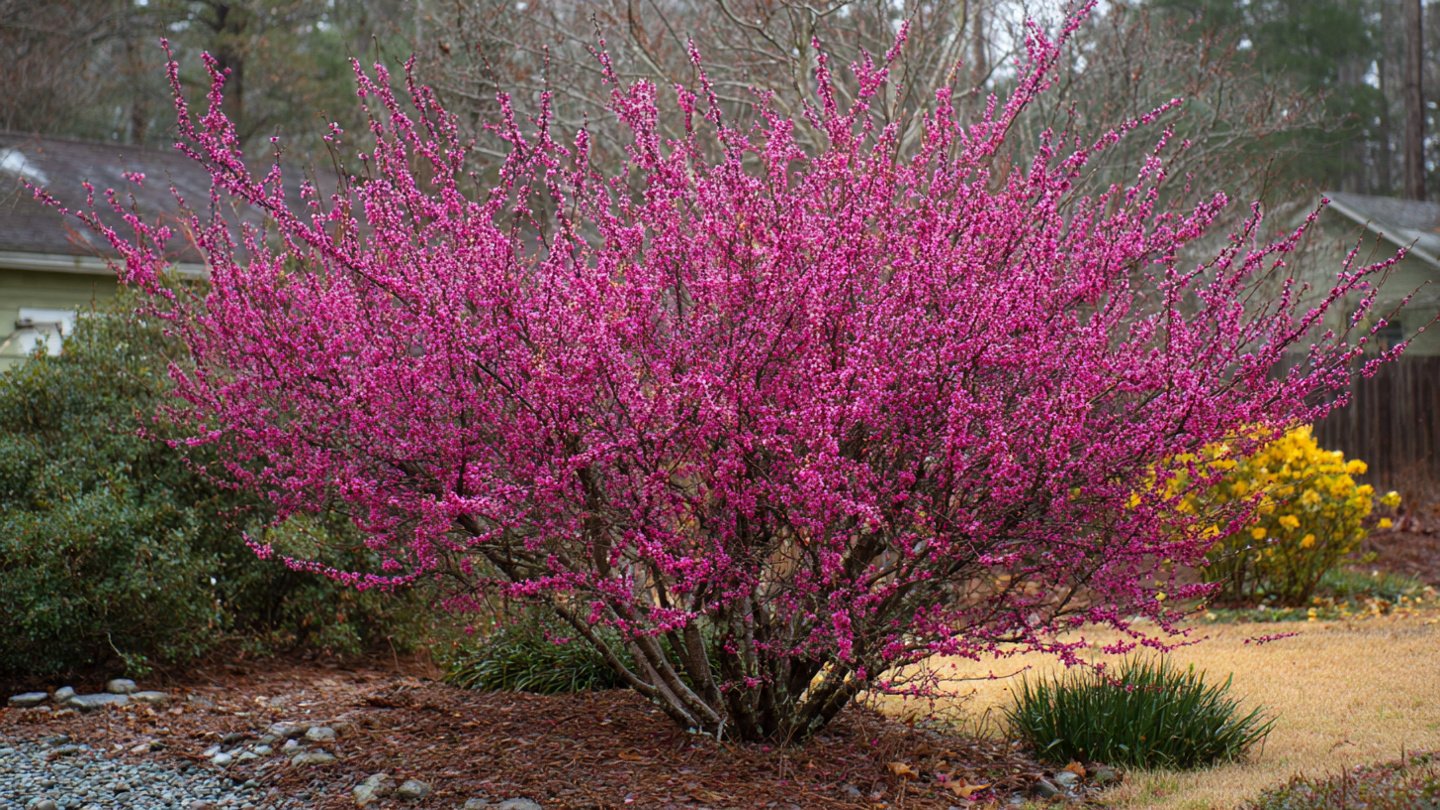

Spring-blooming shrubs, such as lilacs, azaleas, and flowering currants, bring vibrant color to gardens and landscapes as they awaken from winter’s slumber. These plants are often pruned to maintain their shape, encourage new growth, and improve health. However, the timing of this pruning is crucial and can significantly impact the shrubs’ flowering potential. Pruning these timber-laden plants during winter is generally discouraged.
The Importance of Timing in Pruning
Understanding the timing of pruning is vital for the health and aesthetics of your shrubs. Most spring-blooming shrubs produce buds on the previous year’s growth. Consequently, if you prune them in winter, you run the risk of removing these flower buds.
What Happens When You Prune in Winter?
When you prune in winter, you may inadvertently cut off the essential buds that were formed in the previous growing season. This means that rather than encouraging new growth, you’re actually removing the potential for flowers. The result can be a garden devoid of blooms when spring arrives, leaving you with an unsightly shrub.
Understanding Growth Patterns
To grasp why winter pruning is detrimental, it’s essential to understand the growth patterns of spring-blooming shrubs.
Flower Bud Development
Flower buds form during the late summer and fall months. This is when these plants are busy preparing for winter. They start to develop flower buds in response to the day length and the cooling temperatures. Therefore, when winter arrives, the buds are already set, waiting for the right conditions to bloom.
Spring Growth Cycles
In spring, as temperatures warm, the shrubs break dormancy. Flower buds open, and new growth begins to develop. If these shrubs have been pruned in winter, the spring flowering can be significantly reduced or completely eliminated, affecting the overall aesthetic of the garden.
Optimal Pruning Practices
Knowing when to prune is just as critical as knowing how to prune. Correct timing can lead to healthier shrubs, which will thrive in your garden.
Best Time to Prune Spring-Blooming Shrubs
The optimal time to prune spring-blooming shrubs is immediately after they finish blooming. This timing allows you to shape the shrubs while preserving the flower buds that will bloom the following spring.
Pruning Techniques
When pruning, consider using the following practices:
- Deadheading: Remove spent blooms to encourage new growth.
- Thinning: Cut back some of the stems to encourage better air circulation.
- Shaping: Trim the edges to maintain the desired shape without compromising the buds.
Potential Risks of Winter Pruning
Beyond the loss of blooms, winter pruning can lead to other risks:
Increased Vulnerability
Pruning during winter can expose plant tissues to harsh weather conditions. Cold temperatures, ice, and snow can further damage the freshly cut limbs, leading to growth issues or, in extreme cases, plant death.
Stress and Compromise
Pruning can induce stress on plants. Doing this during their dormancy period may compromise their ability to recover quickly when spring arrives. Instead of focusing energy on blooming, the plant may expend resources to heal wounds inflicted by winter pruning.
Conclusion
Avoiding winter pruning of spring-blooming shrubs ensures that your garden remains vibrant and colorful during the blooms of spring. By understanding the growth patterns and proper timing for pruning, you can encourage healthy plants that will thrive season after season. Always remember that with shrubs, timing is everything, and proper care leads to a blooming success that enhances the beauty of your landscape.
FAQs
1. When is the best time to prune spring-blooming shrubs?
The best time to prune spring-blooming shrubs is right after they finish flowering, typically in late spring or early summer.
2. Can I prune spring-blooming shrubs in the fall?
While fall pruning is better than winter pruning, it is still not ideal as it may affect blooming in the following spring. If possible, wait until after the blooms fade in spring.
3. What are some common spring-blooming shrubs?
Common spring-blooming shrubs include lilacs, azaleas, magnolias, and flowering dogwoods.
4. What should I do if my shrub has been pruned in winter?
If your shrub has been pruned in winter, be on the lookout for signs of stress in the spring. Ensure it receives adequate water and nutrient support to facilitate recovery.
5. How can I promote blooming in my shrubs?
To promote blooming, ensure proper watering, full sunlight, and prune at the right time. Fertilizing with a balanced fertilizer can also help boost flowering.