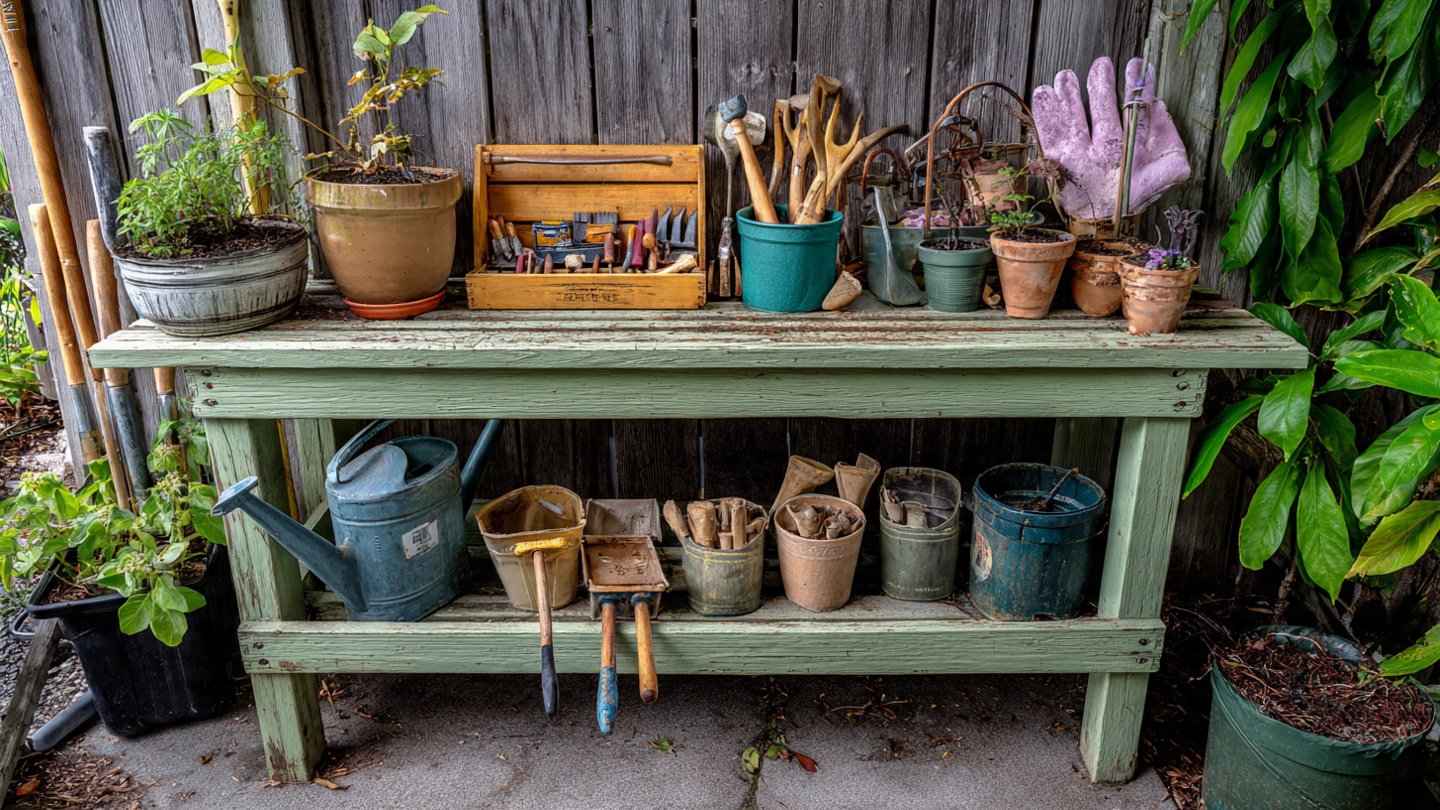

Gardeners often face the challenge of efficiently organizing their tools and supplies, especially when working with limited space. A small bench can become a cluttered mess without the right strategies in place. However, with thoughtful planning and creative solutions, you can transform a small gardening bench into an organized haven for your supplies. This article delves into effective methods, tips, and tricks for optimizing your gardening space, regardless of its size.
1. Assess Your Needs
Before diving into organization methods, it’s essential to assess what you need to store. Take inventory of your gardening supplies, which may include:
- Tools (trowels, pruners, hand rakes, etc.)
- Pots and containers
- Soil and fertilizers
- Seeds and bulbs
- Watering cans and hoses
- Gardening gloves and aprons
Understanding your supplies will help you determine how much space you need and what type of organization will be most effective.
2. Declutter and Purge
Once you have identified your supplies, it’s time to declutter. Go through each item and ask yourself:
- When was the last time I used this?
- Is it broken or missing pieces?
- Do I have duplicates of this item?
Items that you haven’t used in over a year or those that are broken should be discarded or donated. This process not only frees up space but also allows you to appreciate what you truly need and love in your gardening arsenal.
3. Use Vertical Space
In small spaces, utilizing vertical space is crucial. Consider the following techniques:
a. Wall-mounted Shelves
Install floating shelves or wall-mounted shelves above your bench. This additional storage can hold small pots, tools, or decorative items. Place heavier items on the lower shelves for easy access.
b. Pegboards
A pegboard can be a gardener’s best friend. Hang tools such as gloves, trowels, and pruning shears on a pegboard to keep them off the work surface. Color-coding or arranging tools by use can enhance organization.
c. Hooks and Racks
Use hooks to hang hoses, garden bags, or watering cans. A simple wall-mounted rack can also keep larger tools within reach while maintaining a tidy appearance.
4. Optimize the Bench Surface
The bench itself can become an organized workstation with a few adjustments:
a. Trays and Caddies
Invest in trays or caddies to group similar items. For example, create a “planting tray” for seeds, soil, and related tools. Caddies can be easily moved around and can help streamline your gardening process.
b. Drawer Units
If your bench has space or if you can add a small drawer unit, utilize it for storing smaller items. Consider clear containers or labeled drawers so you can quickly find what you need.
c. Clear Bins
Use transparent storage bins for soil, compost, and other bulky items. Labeling these bins ensures that you know what’s inside without having to open them.
5. Create a Zone for Each Type of Task
Dividing your bench into zones for different gardening tasks can help reduce clutter and make gardening more efficient. Here’s how you can do it:
a. Planting Zone
Dedicate one area of your bench for planting. This zone would include items like seed packets, soil, pots, and labels. Keeping everything you need for planting together saves time and energy.
b. Tool Zone
Another section should focus on your tools. Organize small hand tools in a tray and hang larger tools nearby. This separation allows you to easily switch between tasks without hunting for tools.
c. Watering and Feeding Zone
Set aside space for your watering can, fertilizers, and plant food. By keeping these together, you can easily transport them when it’s time to care for your plants.
6. Seasonal Rotation
Gardening supplies can vary greatly with the seasons. To keep your bench organized year-round, consider seasonal rotation.
a. Store Off-Season Supplies
If you have garden supplies that are only relevant during certain times of the year (like snow shovels or fall bulbs), store them out of reach or in a separate location when they’re not in use. This frees up space for tools and supplies that are currently needed.
b. Rotate Planting Supplies
During planting season, keep your planting gear at the forefront, then switch to pruning tools and fertilizers later in the year. Regularly assessing what’s on your bench ensures it aligns with your current gardening goals.
7. Labels Are Your Friends
Labels are essential for maintaining organization. Labeling containers, drawers, and shelves can make it easier to find what you need quickly.
a. Use a Label Maker
For a neat and professional look, invest in a label maker. This can give a cohesive appearance to your organized space.
b. DIY Labels
For those on a budget, consider using chalkboard labels or washi tape. These can be customized and even changed as your storage needs evolve.
8. Utilize Repurposed and Upcycled Items
Sometimes, the best storage solutions come from repurposing items you already own:
a. Mason Jars
Mason jars can be used to hold seeds, small tools, or even cuttings. They are not only functional but can also add a rustic touch to your gardening bench.
b. Old Hangers
An old coat hanger can create an interesting vertical storage solution. Hang pots upside down or utilize them to organize your gloves and other small items.
c. Spice Racks
An old spice rack can serve as a great way to store smaller pots or vases. This keeps them visible and organized.
9. Regular Maintenance
Once you have organized your gardening bench, regular maintenance is vital to keep it tidy. Schedule time every couple of weeks to:
- Return items to their designated spots
- Clean surfaces
- Purge any unused or broken items
By committing to regular upkeep, you can prevent clutter from building up again.
10. Personal Touches
Lastly, don’t forget to add personal touches to your organized space. Decorations, such as framed photos, plant cuttings, or artwork, can make your gardening area more inviting and foster a sense of ownership and passion.
Conclusion
Organizing gardening supplies on a small bench may seem daunting, but with a thoughtful approach, it’s achievable. By assessing your needs, optimizing vertical space, creating zones, and regularly maintaining your setup, you can create an effective and pleasing workspace.
The secret lies not just in organization but also in personalizing your space to reflect your gardening journey. With every season, your small gardening bench can transform into a highly functional area that inspires you to dig into your next gardening adventure. Happy gardening!