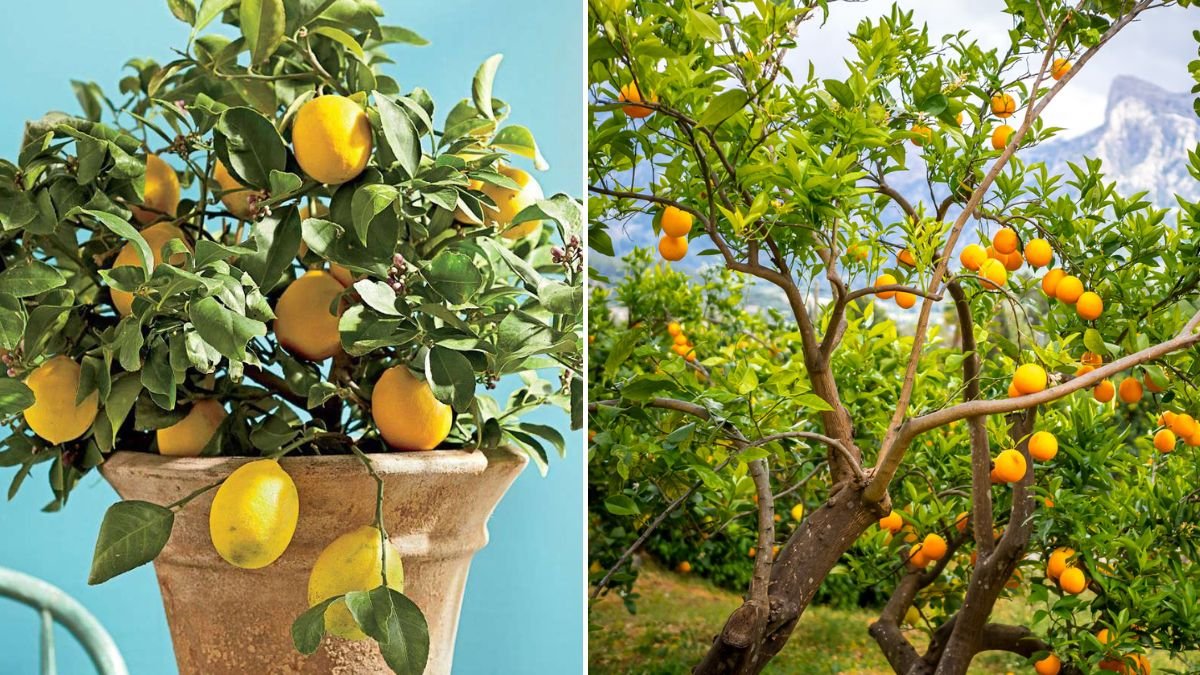

Why Indoor Fruit Trees Are a Smart Choice
Growing fruit trees indoors may seem challenging, but with the right species, care, and environment, it can be a fruitful experience. Unlike outdoor trees, indoor trees are protected from pests, harsh weather, and unpredictable temperatures. Additionally, cultivating fruit trees indoors is perfect for those who:
- Live in apartments or urban spaces without access to a garden.
- Want year-round access to fresh fruit.
- Enjoy ornamental greenery that doubles as functional produce.
Indoor fruit trees are not just functional; they’re decorative. Bright fruits, fragrant blossoms, and lush foliage create a natural ambiance, turning any room into a vibrant living space. The key is selecting the right species — dwarf and container-friendly trees work best for indoor cultivation.
1. Meyer Lemon Tree (Citrus × meyeri)
The Meyer lemon tree is one of the most popular indoor fruit trees. A hybrid between a lemon and an orange, Meyer lemons produce smaller, sweeter, and juicier fruits than traditional lemons. Indoor gardeners love them because:
- They’re compact and grow well in pots.
- Their fragrant blossoms can fill your home with a pleasant citrus scent.
- They’re relatively easy to care for compared to other citrus varieties.
For optimal growth, place your Meyer lemon near a bright window with at least 6–8 hours of sunlight per day. Use well-draining soil and a pot that allows roots to expand. With proper care, you can enjoy a fresh supply of lemons all year long.
2. Calamondin Orange Tree
If you’re looking for an ornamental and edible indoor tree, the Calamondin orange tree is a perfect choice. Small and compact, this tree produces tiny, tangy oranges that are often used in marmalades or cocktails. Key benefits include:
- Compact size, making it ideal for apartment living.
- Bright orange fruits that add a pop of color to your room.
- A hardy nature, thriving in indoor conditions with consistent care.
Calamondin oranges are self-pollinating, but indoor gardeners can gently shake the branches or use a small brush to help pollination. They thrive in bright light, moderate humidity, and regular watering.
3. Key Lime and Limequat Hybrids
For indoor gardeners who love zesty citrus, key limes and limequat hybrids are excellent options. These smaller citrus trees offer frequent fruiting, manageable growth, and a compact form suitable for containers. Advantages include:
- Easy adaptability to indoor environments.
- Frequent fruiting with proper light.
- A vibrant fragrance that enhances indoor spaces.
Place these trees in bright areas with direct sunlight or use supplemental grow lights. Use acidic, well-draining soil, and water carefully to prevent root rot. With attention to light and humidity, key limes and limequats can flourish indoors, producing fresh limes for cooking, drinks, or desserts.
4. Dwarf Banana Tree (Super Dwarf Cavendish)
While bananas are often associated with tropical outdoor gardens, dwarf banana trees can thrive indoors if given proper care. The Super Dwarf Cavendish is particularly suited for indoor cultivation because:
- It stays small, usually under 3 feet tall.
- It can produce edible bananas indoors with enough sunlight.
- Its large leaves create a dramatic tropical aesthetic.
Banana trees need high humidity, rich soil, and consistent moisture. Place them in a sunny corner or supplement with grow lights if natural sunlight is limited. Regular pruning helps maintain shape and encourages fruit production.
5. Strawberries (Container Varieties)
Although not a tree in the traditional sense, strawberries are an excellent indoor fruit option, especially when grown in containers or hanging baskets. Indoor strawberries can produce fruit year-round under ideal conditions. Benefits include:
- Compact size, perfect for windowsills or shelves.
- Sweet, fresh fruit available without pesticide exposure.
- Rapid growth and short time to harvest.
Choose everbearing or day-neutral varieties for continuous fruiting. Ensure 6–8 hours of sunlight daily or use grow lights, and keep soil consistently moist but not soggy.
6. Fig Tree (Dwarf or Container-Friendly Varieties)
Fig trees are versatile and adapt well to indoor life. Dwarf or container-friendly varieties are particularly suitable for apartments or indoor spaces. Advantages of growing figs indoors include:
- Ability to produce fruit even in small containers.
- Lush foliage that enhances room aesthetics.
- Resilient growth in moderate indoor conditions.
Figs thrive in bright, indirect sunlight and prefer slightly dry soil between waterings. Indoor gardeners often prune them to maintain manageable size and shape. With patience, figs can produce sweet, succulent fruit indoors.
7. Avocado (Dwarf Cultivars)
The popularity of avocados has extended to indoor gardening, with dwarf cultivars making it possible to enjoy these creamy fruits in smaller spaces. Key highlights include:
- Compact size suitable for container growth.
- Ornamental leaves that add greenery to your home.
- Potential fruit production with proper care and pruning.
Avocado trees need bright light and well-draining soil. They are more challenging than citrus but are rewarding when successful. Pollination may require hand pollination indoors, and maintaining humidity helps the tree thrive.
Expert Tips for Indoor Fruit Tree Success
Growing fruit trees indoors isn’t just about choosing the right variety — the care routine matters just as much. Here are essential tips for successful indoor fruit cultivation:
Light is Critical
Most fruit trees need 6–8 hours of direct sunlight daily. If natural light is insufficient, full-spectrum grow lights are recommended to supplement their energy requirements.
Choose the Right Container and Soil
Select pots with proper drainage to prevent root rot. Use high-quality, well-draining soil designed for fruit trees. Regularly check for root crowding, and repot when necessary.
Manage Pollination
Some indoor fruit trees may require hand pollination to produce fruit. Use a soft paintbrush or gently shake branches to help transfer pollen from flower to flower.
Maintain Temperature and Humidity
Indoor trees thrive in stable temperatures, usually between 65–75°F. Citrus and banana trees benefit from higher humidity; consider a humidifier or regular misting in dry environments.
Prune Regularly
Pruning encourages healthy growth, controls size, and improves air circulation. Regular pruning also directs energy to fruit production rather than excessive foliage.
Recommended Authoritative Sources
For readers seeking further guidance or verification, these sources provide expert tips and research on indoor fruit cultivation:
- Better Homes & Gardens – Fruit Trees for Pots Guide: Comprehensive advice for indoor container fruit trees. (bhg.com)
- Martha Stewart – Indoor Fruit Trees Tips: Expert insights on indoor citrus and ornamental fruit trees. (marthastewart.com)
- Gardening Goods Direct – Container Fruit Tree List: Practical recommendations for species suitable for indoor containers. (gardengoodsdirect.com)
- LoveToKnow – Indoor Plant Recommendations: Curated list of indoor-friendly trees and tips. (lovetoknow.com)
Conclusion
Indoor fruit trees offer more than just edible produce — they bring life, fragrance, and visual appeal to your home. By selecting the right species, such as Meyer lemons, Calamondin oranges, dwarf bananas, and container-friendly figs, you can create a thriving indoor orchard. Consistent care, proper light, and attention to humidity and pruning ensure your [FOCUS KEYWORD] strategy is successful, turning any room into a fruitful, green oasis. Whether you’re a beginner or an experienced gardener, growing fruit indoors is not only possible but also deeply rewarding.
Embrace the indoor gardening revolution and start your home fruit garden today — your taste buds and your living space will thank you.