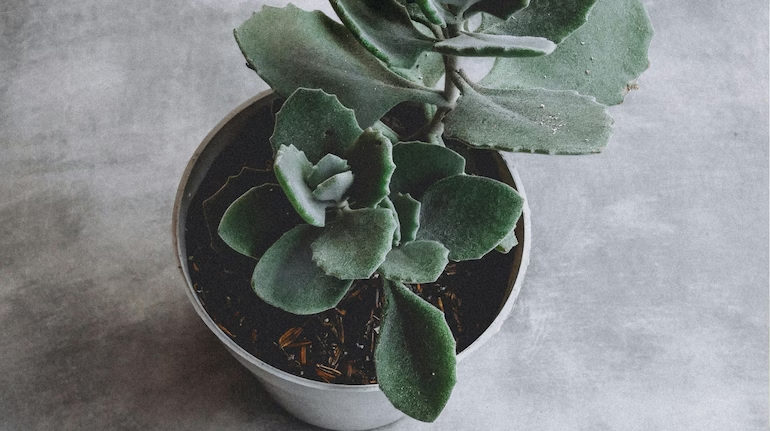

Succulents have surged in popularity for their striking shapes, vibrant colors, and low-maintenance charm. From tiny tabletop arrangements to large statement plants, they add a unique touch to any space. But despite their reputation for being easy to care for, succulents still require attention to thrive. Without proper care, they can develop issues like rotting roots, sunburned leaves, or stunted growth.
Whether you’re a seasoned plant parent or a beginner, these five essential tips will help you keep your succulents healthy, happy, and thriving all year round.
Tip 1: Give Them the Right Amount of Light
Light is the foundation of succulent health. These plants are adapted to bright, sunny environments, and insufficient or excessive light can cause problems:
- Too little light: Succulents stretch out, become leggy, and lose their compact shape — a process called etiolation.
- Too much direct sunlight: Can scorch the leaves, causing brown or white patches.
How to Optimize Light
- Place indoor succulents near south- or west-facing windows for 4–6 hours of bright, indirect sunlight.
- Rotate your plants every few weeks to ensure even growth.
- For low-light indoor spaces, consider supplementing with LED grow lights designed for plants.
- Outdoor succulents should have morning sun and afternoon shade if your climate is hot to prevent sunburn.
Proper lighting ensures compact growth, vibrant colors, and strong leaves that are less prone to damage.
Tip 2: Water Smartly
Succulents are adapted to store water in their leaves, stems, and roots, which makes them drought-tolerant but sensitive to overwatering. Overwatering is the most common cause of succulent death.
Watering Guidelines
- Wait for soil to dry out completely between waterings. Stick your finger an inch or two into the soil; if it feels dry, it’s time to water.
- Water deeply but infrequently, allowing water to reach the roots. Avoid shallow, frequent watering.
- Drainage is crucial: Use pots with drainage holes and a well-draining succulent or cactus mix.
- Reduce watering in fall and winter, when most succulents enter dormancy.
Signs of overwatering include soft, translucent leaves, blackened stems, or rotting roots, while underwatered plants may appear wrinkled or shriveled. Watering properly prevents these issues and promotes long-term health.
Tip 3: Use the Right Soil
Not all potting mixes are suitable for succulents. Regular garden soil retains too much moisture, leading to root rot. A well-draining soil mix is essential.
Choosing or Making Succulent Soil
- Commercial cactus and succulent mix: Readily available and formulated for quick drainage.
- DIY mix: Combine 2 parts potting soil, 1 part coarse sand, and 1 part perlite or pumice. This ensures aeration and drainage, replicating desert-like conditions.
- Avoid clay-heavy soils: These hold water and create soggy conditions that can kill your plants.
Using the right soil allows roots to breathe, absorb nutrients efficiently, and avoid waterlogged conditions, which are the leading cause of succulent death.
Tip 4: Temperature and Humidity Management
Succulents thrive in warm, dry conditions, but indoor environments and seasonal changes can challenge them.
Temperature Tips
- Ideal temperatures: 65–80°F (18–27°C) during the day, 50–60°F (10–15°C) at night.
- Avoid exposing succulents to frost or freezing temperatures, which can damage leaves and roots.
- If outdoors in winter, bring potted succulents inside or use frost cloths to protect them.
Humidity Tips
- Succulents prefer low to moderate humidity. High humidity slows soil drying and can encourage fungal issues.
- Ensure good airflow around your plants, especially indoors, to prevent mold and pests.
By maintaining the right temperature and humidity, your succulents will retain their vibrant colors and resist stress.
Tip 5: Fertilize Sparingly and Wisely
Succulents are slow-growing and don’t need heavy feeding, but occasional nutrients can support healthy growth and vibrant colors.
Fertilizer Guidelines
- Use a diluted, balanced liquid fertilizer (10-10-10 or 20-20-20) or a specialized succulent fertilizer.
- Fertilize during the growing season (spring and summer) every 4–6 weeks.
- Avoid fertilizing during dormancy (fall and winter), as the plant’s roots are not actively absorbing nutrients.
Over-fertilizing can lead to weak, stretched growth or burn the roots, so moderation is key. Fertilization complements proper lighting, watering, and soil for thriving succulents.
Bonus Tips for Thriving Succulents
- Repot When Necessary: Repot every 2–3 years to refresh soil, provide more space, and inspect roots.
- Prune Dead or Damaged Leaves: This encourages new growth and prevents pests or fungal infections.
- Watch for Pests: Mealybugs, aphids, and spider mites can infest succulents. Treat early with insecticidal soap or rubbing alcohol.
- Group Plants Thoughtfully: Succulents with similar water and light needs do best together.
- Enjoy Their Natural Growth Patterns: Some succulents grow tall, others spread; respect their shape and space accordingly.
These additional tips enhance health, prevent problems, and make your succulent collection more beautiful.
Common Mistakes to Avoid
- Overwatering: The number one cause of succulent death.
- Using regular potting soil: Retains too much moisture.
- Placing in low light: Causes stretching and weak growth.
- Ignoring pests: Early detection prevents widespread damage.
- Over-fertilizing: Can lead to weak, leggy plants.
Avoiding these mistakes ensures your succulents stay resilient and visually stunning.
Final Thoughts
Succulents are celebrated for their beauty, versatility, and low maintenance, but like any living plant, they thrive best with thoughtful care. By focusing on light, watering, soil, temperature, and fertilization, you create an environment where succulents can flourish, produce vibrant foliage, and maintain healthy roots.
Whether you’re cultivating a tabletop garden, a windowsill collection, or a large outdoor arrangement, these five essential tips provide the foundation for long-lasting, happy, and healthy succulents. With the right care, your succulent collection will brighten your home and delight your senses year-round.